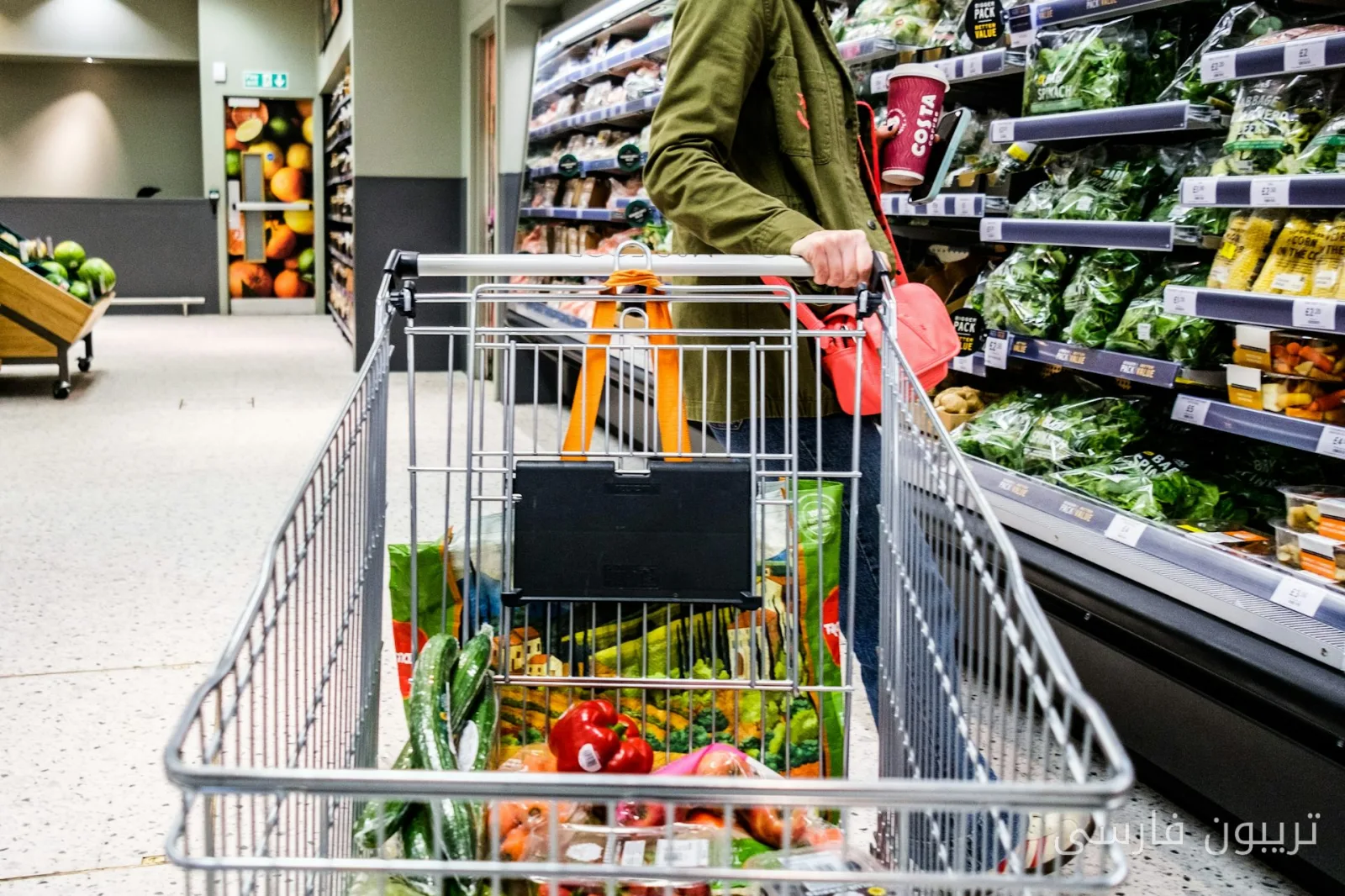
The Donald Trump administration has faced strong criticism from farmers and Republican lawmakers after announcing a plan to increase red meat imports with reduced tariffs. This plan was introduced to alleviate financial pressures on consumers due to unprecedented red meat prices in the United States. However, the criticisms of this stance indicate that this action could have serious consequences for the agricultural sector and the upcoming midterm elections.
Consequences of the Red Meat Import Plan
Red meat prices have risen to unprecedented levels and peaked again in August. This price increase is due to a shortage of supply and ongoing demand for this product. Trump's plan includes importing 300,000 tons of red meat for a period of 90 days. However, the President of the American Farm Bureau has described this action as "a blow to the economy of ranchers."
Read more: U.S. Economic Sanctions; A Battle Beyond the Persian Gulf
Retired Senator Tom Tills has also strongly attacked this plan, stating: "If you think that providing subsidized meat for a while can make farmers happy, you are mistaken." These criticisms indicate that farmers are deeply concerned about this decision and consider it insufficient to address fundamental issues.
Structural Challenges and Political Consequences
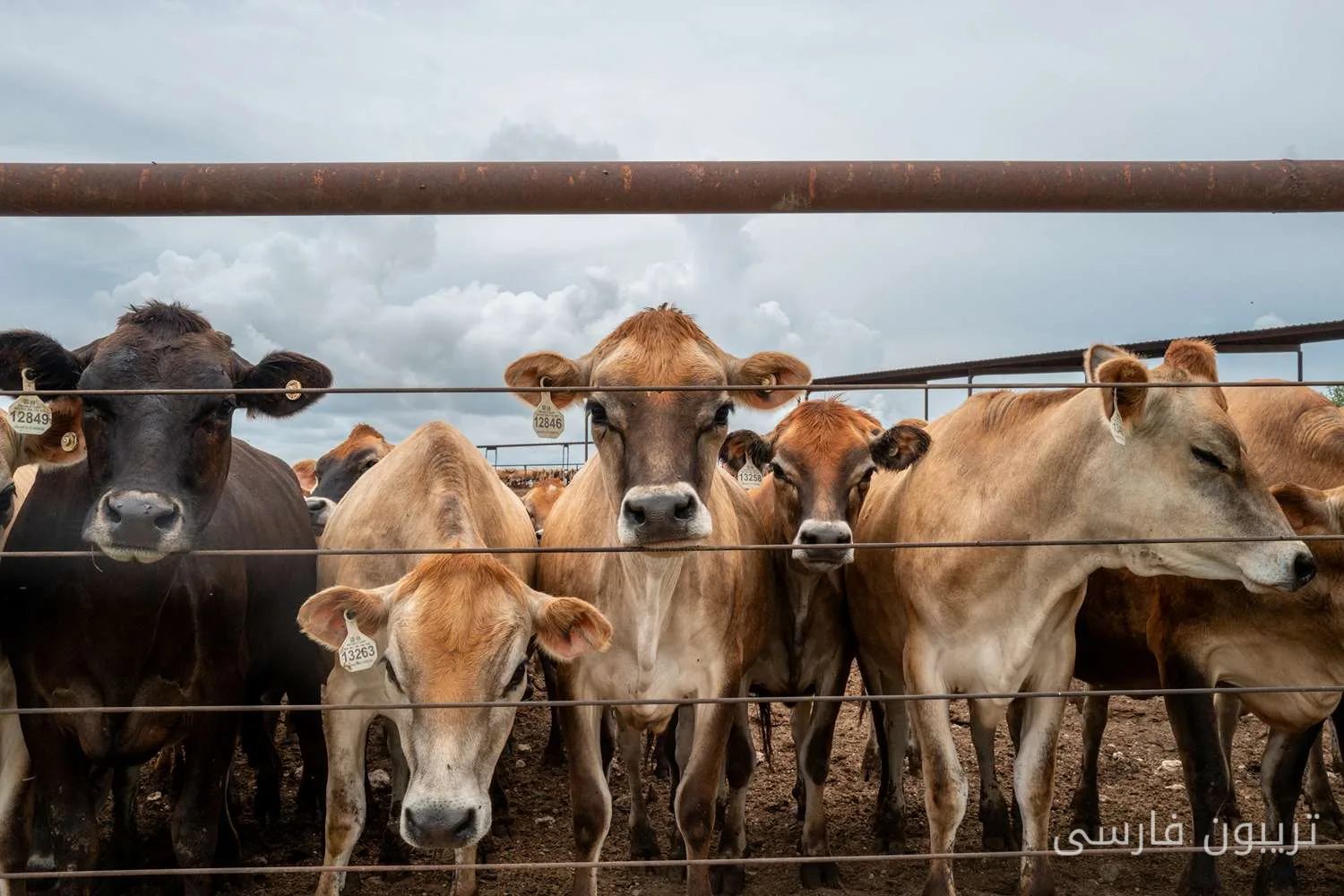
The main reason for the increase in meat prices in the United States is the reduction in the number of livestock to the lowest level in 75 years. Financial challenges, rising costs, and climate issues have led ranchers to sell their livestock instead of raising them. However, importing 300,000 tons of meat from unspecified sources cannot solve the existing structural problems. Economists believe that this short-term plan cannot help reduce prices permanently and may send contradictory messages to ranchers.
Additionally, there are reputational risks. The United States is recognized as a producer with a "gold standard" for quality meat products, and Trump's import plan could raise concerns about the quality and safety of imported meat. These risks could affect consumer confidence in domestic products.
As the midterm elections approach, Trump and the Republicans are looking to demonstrate their strength in addressing economic crises, but the effort to quickly reduce food prices without alienating voters in agricultural areas could create serious challenges. Farmers have traditionally been part of the Republican voter base, and losing their support could have serious consequences for Trump and the Republican Party.
Read more: Iranian Banks Continue Operations in Dubai Despite U.S. Pressure · Iran Threatens to Cut Undersea Cables in the Strait of Hormuz, Endangering Gulf Countries' Security