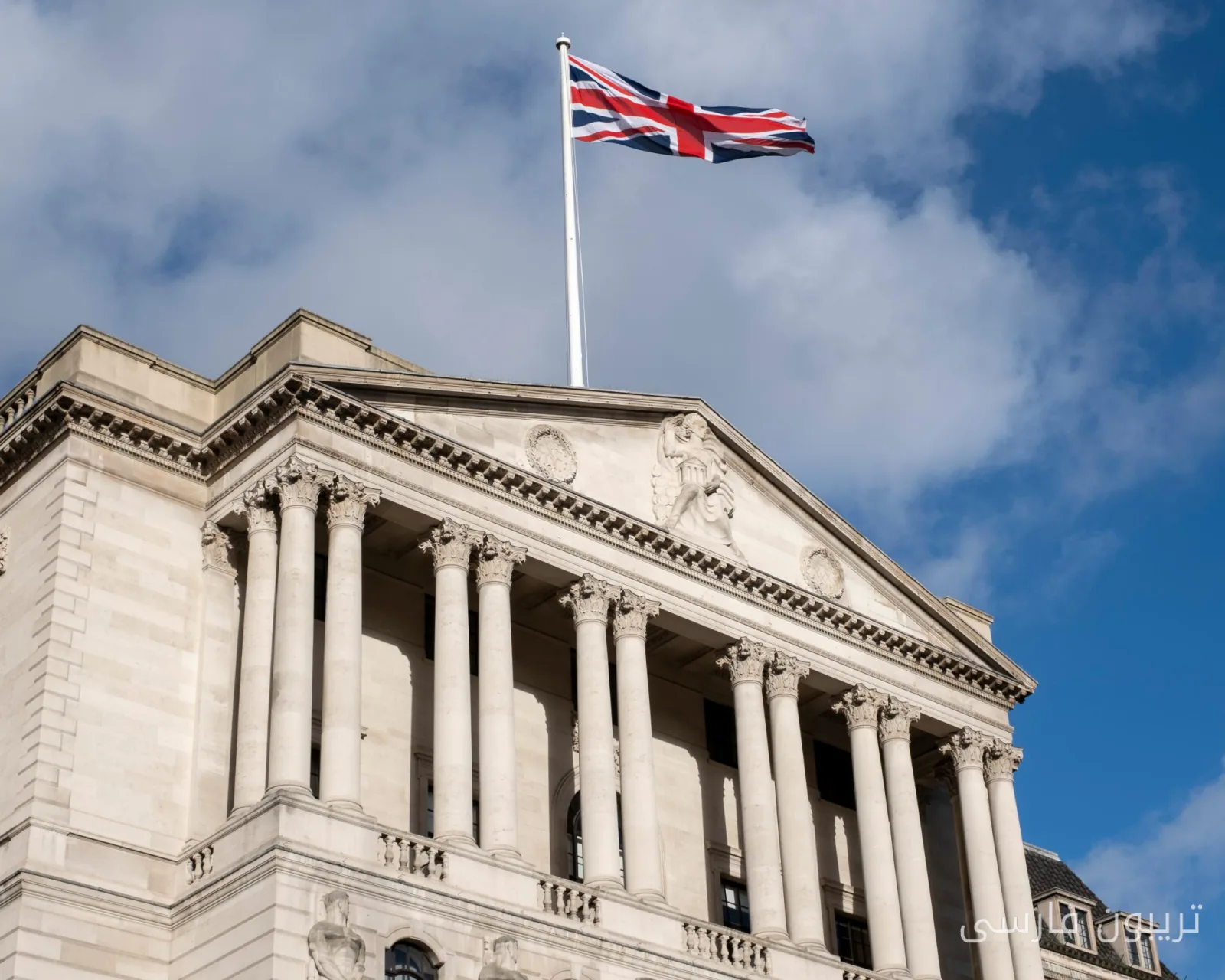
The Bank of England has recently announced that its new monetary policy comes with a £120 billion cost for the Treasury. This situation indicates a serious overlap between monetary and fiscal policies that could lead to economic instability.
Background and History
In 1997, the Labour Party removed the Bank of England from direct control of the Treasury to strengthen its independence. This meant that the Bank could set interest rates while the Treasury held financial responsibility. However, with the onset of financial crises, including the 2008 financial crisis and the COVID-19 pandemic, this independence has been challenged.
Read more: Analysis of Housing Issues in Australia and the Need for Legal Changes
Impacts and Consequences of the Costs
The Bank's new policy, known as "Quantitative Tightening" (QT), has led to the purchase of government bonds (gilts) to support the economy. However, with rising interest rates, the Treasury must cover the costs associated with these purchases. Last year, the Treasury paid £17 billion to the Bank to offset these losses, a figure larger than the budget of the Ministry of Justice. This situation reflects the instability of the financial structure where the Bank's decisions directly impact the government's budget.
Despite Greg Stanton, the Bank's chairman, calling the overall cost of the QT policy "neutral," the reality is that these costs are significant during an election period, which means pressure on current ministers to justify these expenses to voters. This situation could lead to a political crisis for the government, as ministers must be accountable for decisions that are not directly under their control.
Need for Policy Reconsideration
Ministers must end this agreement as soon as possible. No other major central bank in the world has such a mechanism. Turning monetary costs into a financial burden on the Treasury not only transforms monetary decisions into financial interventions but also questions the Bank's independence.
Currently, the Bank and the Treasury are working on changes to the QT policy to reduce pressure from rising interest rates. This indicates a covert coordination that challenges the Bank's independence. Decisions made by the Monetary Policy Committee (MPC) should be subject to scrutiny and review to create greater accountability in the financial system.
Ultimately, this situation fuels not only economic challenges but also political crises. Ministers must make decisions regarding the costs arising from monetary policies while these decisions are in the hands of an unelected committee. These instabilities could lead to a loss of public trust and economic instability.
Read more: Domestic Agricultural Products as an Alternative to Imported Phosphate in Agriculture · Brazil's Elections and the Inability to Solve the Country's Fundamental Problems