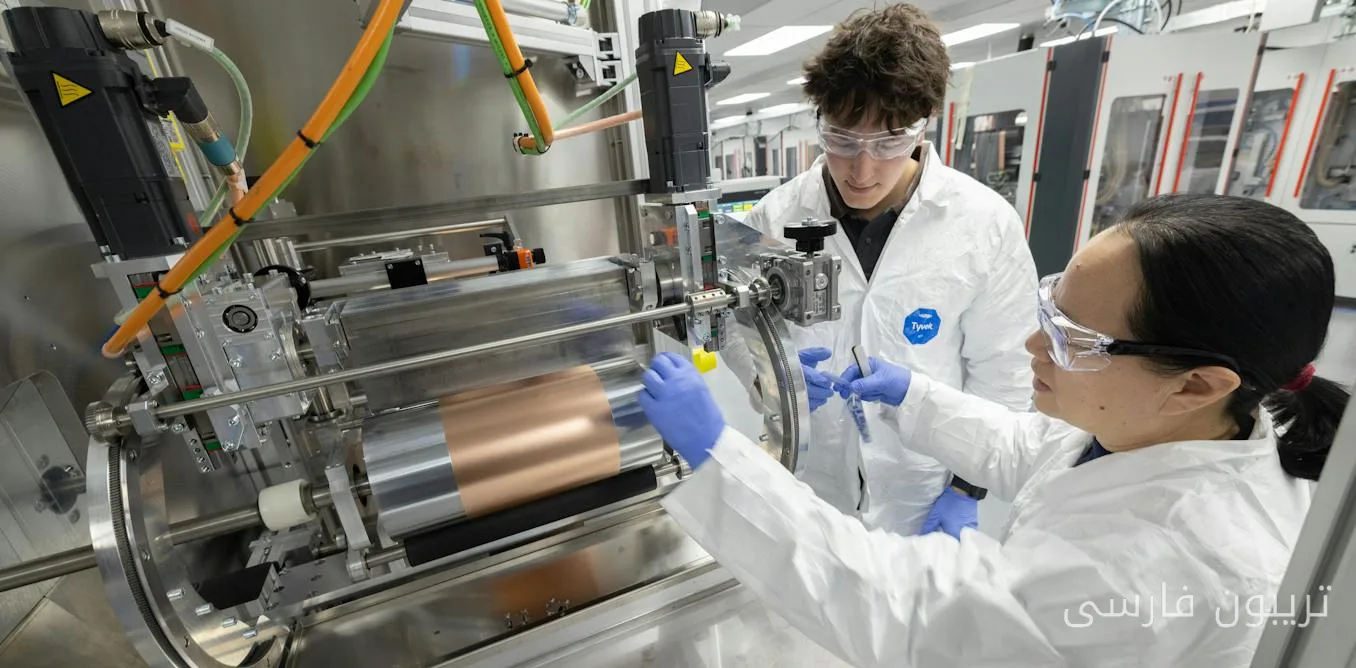
Students at Ohio State University have realized the importance of internships in the face of one of the most unstable job markets in recent years. A recent study shows that the unemployment rate among college graduates has significantly increased, with various factors such as job replacement by artificial intelligence and a general hiring recession cited as reasons for this situation.
Internships as an Effective Solution
While some young people have turned to vocational training and internship programs to secure "AI-resistant" jobs, university students can also prepare themselves for the job market through internships. A group of interdisciplinary researchers at Ohio State University has examined two paid internship programs in the fields of Science, Technology, Engineering, and Mathematics (STEM) that have a successful track record of providing sustainable jobs for students.
Read more: A new regulatory era following the global financial crisis will begin soon
These programs not only assist students from diverse and underrepresented backgrounds but also those who are the first in their families to attend college. Internships serve as a powerful tool for creating equity in job opportunities for young people who are likely to miss out on such opportunities.
Quality of Internships and Their Impact on Career Futures
Research shows that students who experience high-quality internships have a greater chance of receiving job interviews and high-paying jobs after graduation compared to others. However, the number of internship opportunities is consistently declining, while the importance of this type of preparation is felt more than ever.
University presidents have also responded to these challenges. For example, more than one-third of university presidents and two-thirds of community college presidents have announced plans to add or expand internship programs in the next three years. However, the key point is that it's not just the number of internships that matters, but their quality is equally important.
Research in the University Impact Lab has shown that learning experiences must include real work and mentoring to help develop students' professional skills. In "earn while you learn" programs, students alternate between classroom education and paid work experience in collaboration with Ford representatives.
This initiative has served 635 students across 18 community colleges and has shown that students who participated graduated nearly 50% more than their comparison group. Additionally, internship programs in the clean energy sector bring together students from various universities and include not only workplace learning but also professional development workshops and social interactions.
Based on these findings, it is suggested that universities create broader support networks around internships instead of relying on a single supervisor for students' professional development.
Read more: China and the necessity of creating a 'Mandarin' agreement to address global inequalities · Pride in the successes of English schools amid global challenges