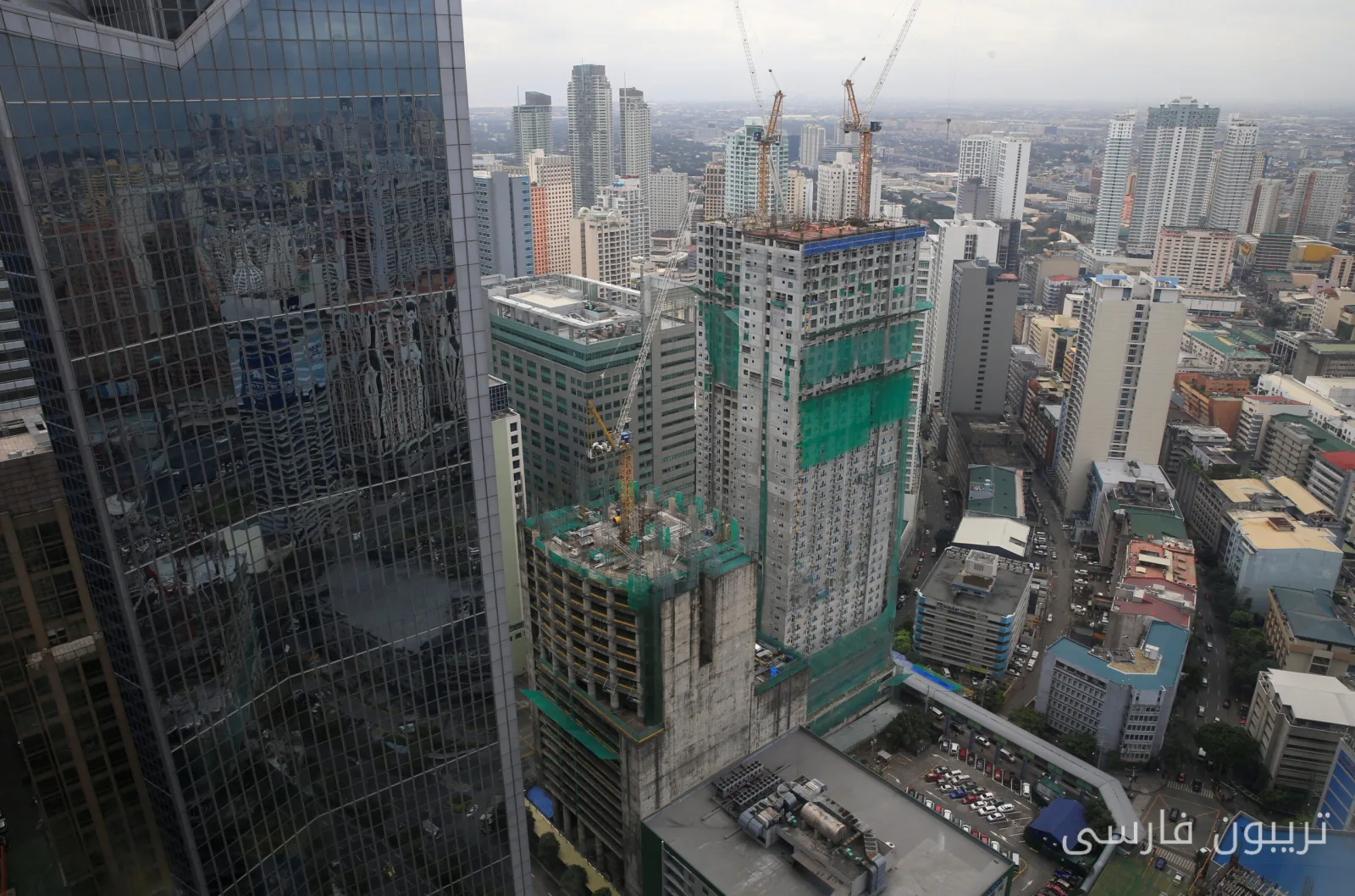
The Philippines has become an emerging economy with an average annual GDP growth rate of 5% over the past twenty-five years. This rate is two percent higher than the global average and has caused the country's economy to grow more than threefold, now accounting for 12.8% of the total output of the Association of Southeast Asian Nations (ASEAN). Despite this, the country faces significant challenges in production and productivity.
Productivity Challenges
Since 2010, over 90% of the Philippines' economic growth has been due to capital accumulation, while total factor productivity has been less than 10% and the contribution of human capital has been negligible. This growth pattern, although it can continue for a while, is unlikely to provide the necessary productivity to help the country escape the middle-income trap.
Opportunities and Vulnerabilities
The external economic situation of Manila, alongside challenges, creates opportunities. In 2025, the United States was the largest export market for the country, while China is recognized as the largest trading partner of the Philippines. This dependence on U.S. demand and Chinese supply chains exposes the Philippines to regional risks and fluctuations.
Additionally, structural vulnerabilities exacerbate existing problems. Climate change and energy dependence are among the critical issues that require immediate attention. Storms cause annual damages equivalent to 1.2% of GDP, and climate change could reduce GDP by up to 13.6% by 2040.
The Philippines must seek to establish business partnerships and investments with other major economies, including the European Union. It is also necessary to address structural barriers, including infrastructure shortages, energy costs, and regulatory complexities.
The country, at the same time, has significant advantages that can contribute to productive and export-oriented growth. The combination of a competitive global services industry, an established electronics manufacturing base, and renewable energy potential can help the Philippines become a higher value-added economy.
Ultimately, the Philippines must steer its growth towards more valuable opportunities while adapting to the strategic challenges between the United States and China and an increasingly fragmented global economy.