Iranian banks in Dubai continue their financial and economic activities despite the threats and economic pressures from the United States. This indicates the resilience and stability of Iran's financial institutions against sanctions and international pressures.
Economic Background
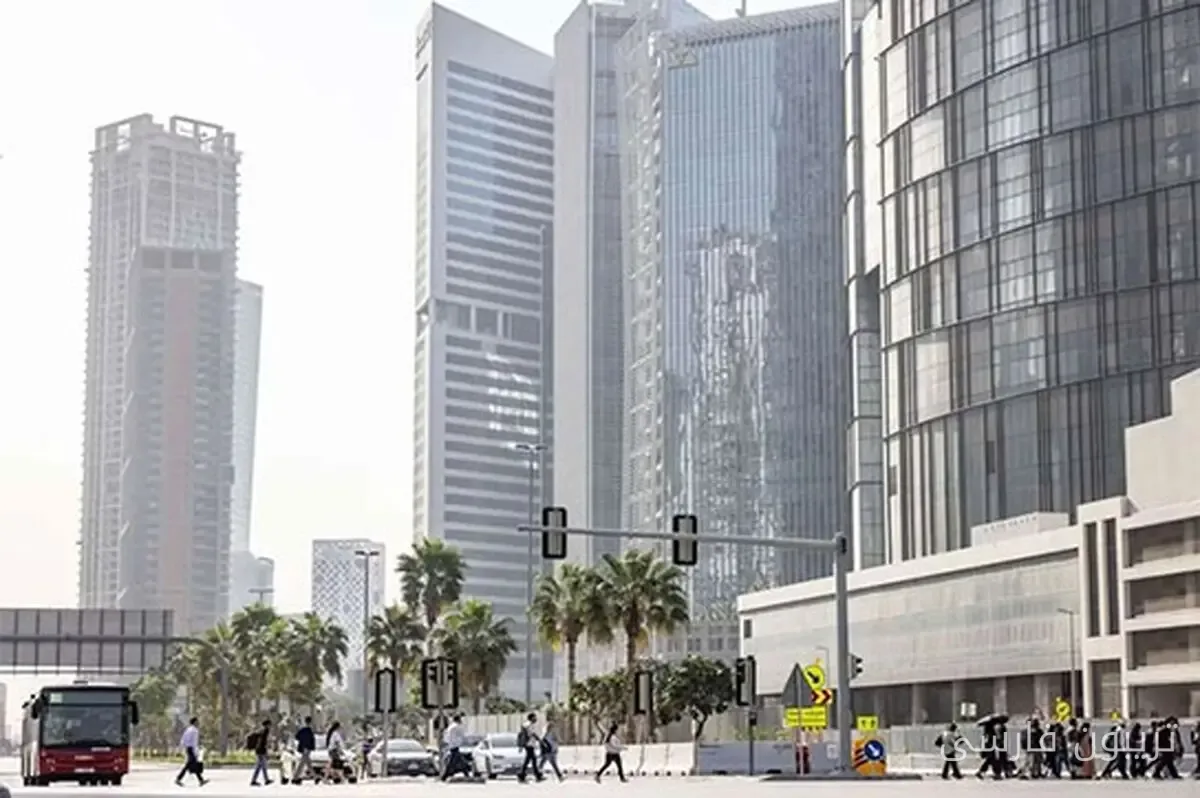
US economic sanctions against Iran, especially after the country's withdrawal from the nuclear agreement in 2018, have put significant pressure on Iran's financial and banking system. However, recent reports indicate that banks and businesses associated with Iran in Dubai remain active and are somehow benefiting from this situation. Dubai, as an important financial center in the Middle East, particularly in trade and banking, allows Iranians to continue their economic activities.
Evidence and Details of Activities
Iranian banks in Dubai are deliberately expanding their financial networks. Despite international restrictions, these banks are seeking to maintain and expand their activities through various means such as cooperation with local banks and the use of cryptocurrencies. This approach becomes even more significant in conditions where Iran's domestic market is under pressure. Additionally, many small and medium-sized Iranian businesses in Dubai continue to establish branches and offices, which helps strengthen the economic relations between the two countries.
The continuation of Iranian banking activities in Dubai, especially in the realm of informal trade and circumventing sanctions, is noteworthy. Some analysts believe that this situation could lead to an increase in Iran's economic power in the region and somewhat assist the Iranian government in managing economic crises.
Consequences and Challenges
The ongoing activities of Iranian banks in Dubai could have positive consequences for Iran's economy, but at the same time, it poses challenges for the country's international relations. On one hand, these activities could help increase foreign exchange revenues and improve the economic situation, but on the other hand, the US and other countries may exert more pressure to limit these activities.
Moreover, given the political and economic instabilities in the region, this situation could lead to increased economic and financial risks. Therefore, Iran must carefully monitor the situation and develop appropriate strategies to manage and sustain these activities.
Ultimately, the continuation of Iranian banks' activities in Dubai not only demonstrates the resilience and endurance of Iran's financial system but also presents a serious challenge to the economic and foreign policies of the United States. This situation could impact the future of Iran's economic relations with other countries and potentially lead to a redefinition of economic relations in the Middle East.