Germany, as one of the advanced and industrialized countries in Europe, has relied on an unwritten agreement over the past decades: high-quality industrial production, good employment, and strong export revenues lead to public welfare and social cohesion. However, with the intense competition from China, this agreement has come under serious question.
Results of the Saxony-Anhalt Elections
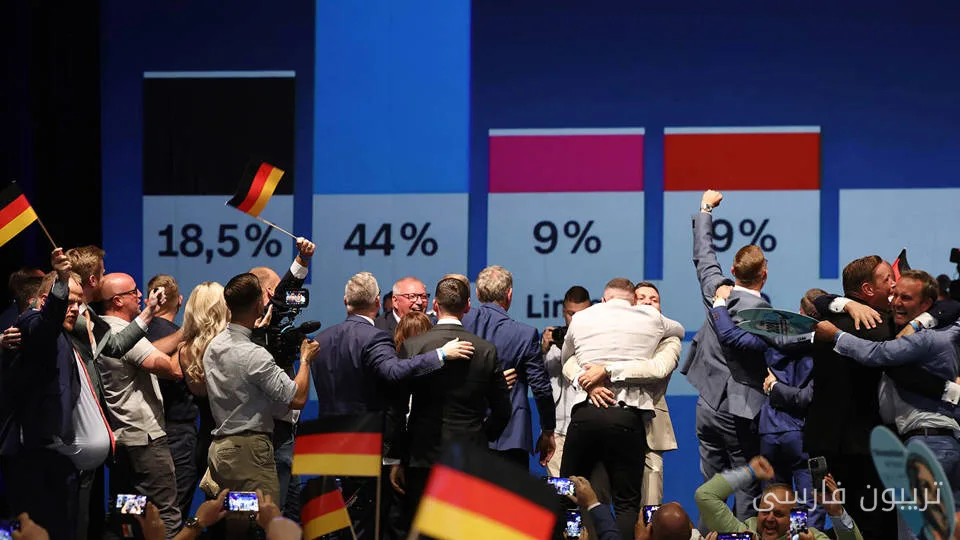
On September 6, 2026, the elections in the state of Saxony-Anhalt could be seen as a turning point in the post-war political history of Germany. The far-right party Alternative für Deutschland (AfD) received 43.8% of the votes, just three seats away from an absolute majority. This vote share is more than double the party's share in the 2021 elections. In contrast, the Christian Democratic Union, the ruling party of the state and belonging to Chancellor Friedrich Merz, saw a significant drop to 17.2%, down from 37.1% in the previous election.
Read more: Trump's Economic Sanctions Against Iran Face Challenge from China
Political Factors and Consequences
The significant increase in votes for the AfD reflects deep dissatisfaction among German voters. This dissatisfaction may stem from various factors, including the economic crisis due to competition with China, social changes, and immigration. In recent years, many Germans have felt that the government's economic policies have failed to adequately address their needs, fueling discontent and support for far-right parties.
The political consequences of these changes could be profound. As the AfD increasingly attracts more votes, we are likely to witness changes in the political structure of Germany. These changes could lead to a reduction in the power of traditional parties and an increase in the influence of extremist parties. Furthermore, if this trend continues, Germany may face serious challenges in terms of social and political cohesion.
Additionally, the results of the Saxony-Anhalt elections could impact Germany's macroeconomic policies. In particular, regarding international relations and economic approaches, these changes could lead to a reassessment of Germany's economic and trade policies, especially towards China. Given Germany's heavy reliance on exports, any changes in this area could have widespread implications for the country's economy.
In conclusion, it can be stated that the recent election results in Germany not only reflect voter dissatisfaction but could also be seen as a warning signal for the political and social stability of the country. In light of these developments, Germany must carefully attend to the economic and social needs of its people to prevent further crises.
Read more: Saudi Arabia Faces Serious Challenge Against Ansar Allah · Moral Arguments for Immigration as a Human Right