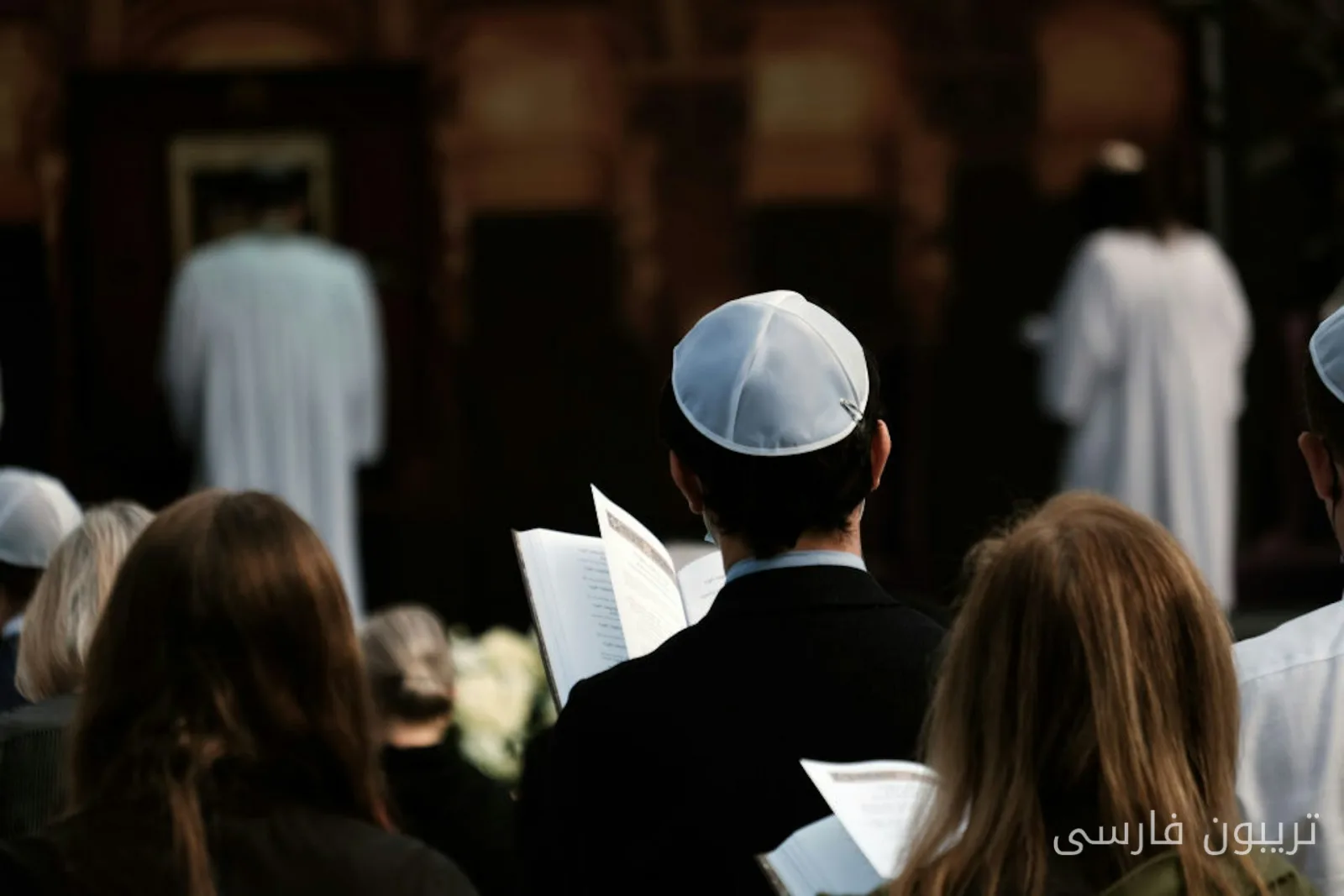
Yom Kippur, the Day of Atonement and reflection in Judaism, is an opportunity to return to oneself and others. This day, especially in its final prayer, emphasizes the restoration of human relationships and focuses on returning to God. On this day, Jews seek to inscribe themselves in the "Book of Life" and ask for forgiveness from God, culminating in the Neilah prayer.
Neilah Prayer and the Concept of Reconciliation
The Neilah prayer, the last prayer of Yom Kippur, is described as a "closing" and in it, believers pray for forgiveness and reconciliation with God. This prayer is recited at sunset and symbolically refers to the closing of the gates of heaven. In these moments, Jews stand before God, seeking an opportunity to express remorse and ask for forgiveness.
Read more: China's Military Capabilities in Djibouti and Its Consequences
In this prayer, there is a special emphasis on human relationships and their restoration. The prayers focus not only on individual sins but also on social and moral transgressions. One of the fundamental concepts of Judaism is that humans are created in the image of God, and therefore, harming one another also harms God.
Reconciliation with Others as a Condition for Reconciliation with God
The Neilah prayer particularly emphasizes the sin of fraud and calls upon everyone to return what they owe to others. This return signifies not only material compensation but also emotional and spiritual restitution. Judaism believes that God cannot forgive a sin unless the individual first reconciles with the person they have harmed.
Here, the main message of Yom Kippur is that to return to God, one must first return to others. This perspective is clearly reflected in the Neilah prayer, where God extends His hand to the repentant, granting them the opportunity for reconciliation and return.
The various aspects of Yom Kippur and the Neilah prayer demonstrate that Judaism, as a religion, emphasizes not only personal and social relationships but also serves as a reminder to individuals that in order to reach God, they must mend their relationships with others.
Read more: Attention to the Youth: The Necessity of Policy Making for Ages 18 to 25 in Britain · Turkey and Reconciliation with the Kurds: The Fruit of Patience on the Path of Regional Changes