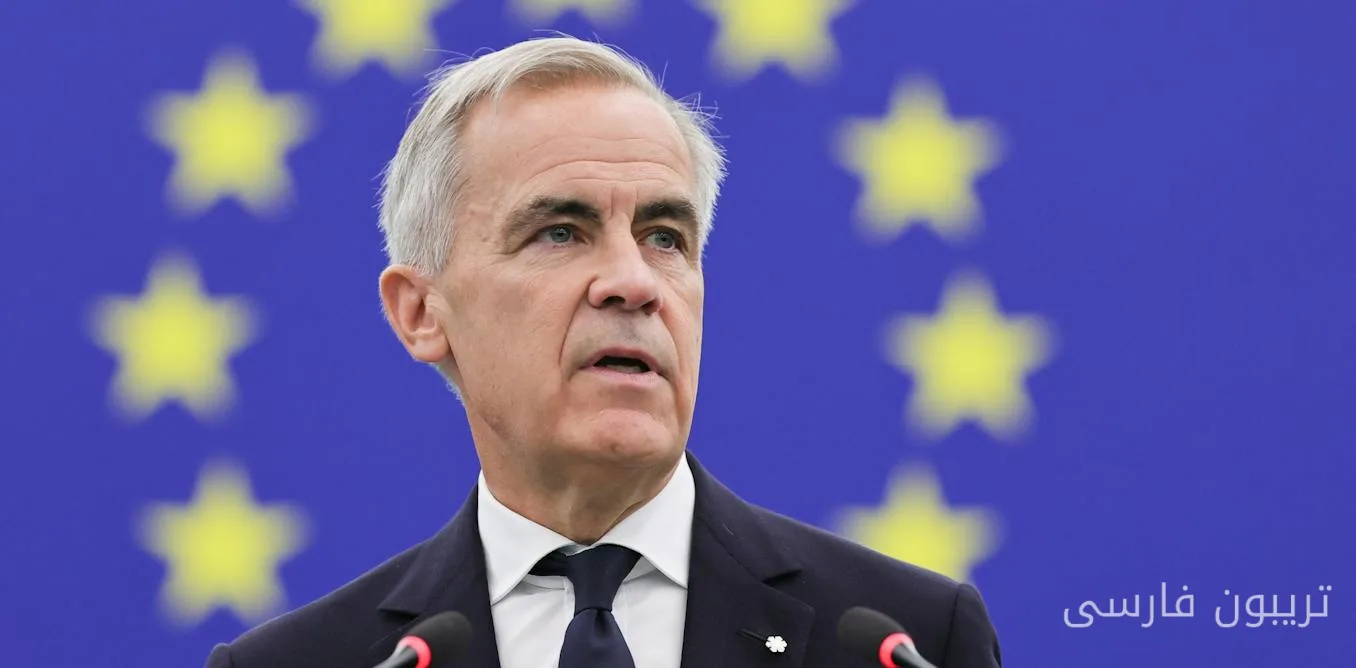
Greg Stanton, a Democratic representative from Arizona, has analyzed the prospects of reducing dependence on the dollar and pointed out the economic implications of this trend. In recent years, the issue of reducing dependence on the dollar has become one of the hot topics in political and economic circles. This shift has gained more importance due to global developments and the increasing willingness of countries to use local currencies or other reputable currencies.
Reasons for Increased Willingness to Reduce Dependence on the Dollar
Stanton points to several key reasons that have led to an increased willingness among countries to reduce dependence on the dollar. The first reason is the economic sanctions imposed by the United States, which have conveyed the message to countries that dependence on the dollar can be used as a tool for economic pressure. Additionally, recent financial and economic crises and the instabilities resulting from them have prompted countries to consider diversifying their currency portfolios to mitigate risks.
Read more: Significant Increase in Votes for the Far-Right Party in Germany
Another reason Stanton mentions is the emergence of digital currencies and new financial technologies. With the expansion of the use of digital currencies and blockchain, various countries are seeking new ways to conduct international transactions and reduce currency transfer costs. These developments could lead to a reduction in dependence on the dollar and ultimately cause fundamental changes in the global financial system.
Consequences of Reducing Dependence on the Dollar
The consequences of reducing dependence on the dollar could be very profound and extensive for the global economy, especially for the United States. Stanton emphasizes that one of the main consequences of this situation is the reduction of U.S. economic influence in the global system. With the decreased use of the dollar in international transactions, the United States' ability to exert pressure on other countries will diminish, which could lead to geopolitical changes.
Moreover, reducing dependence on the dollar could lead to financial and economic instabilities. Countries that suddenly shift to other currencies may face serious challenges in stabilizing their economies and finances. These challenges could include severe currency fluctuations and rising interest rates, which in turn would negatively impact economic growth.
Ultimately, Stanton emphasizes the importance of oversight and international cooperation, advising various countries to act cautiously on this path and seek sustainable and long-term solutions. Sudden changes in the global financial system could lead to serious instabilities and unpredictable consequences.
Read more: Celtic Convergence May Signal the End of Britain · Challenges of Exiting China: Pushing Boundaries in the Supply Chain