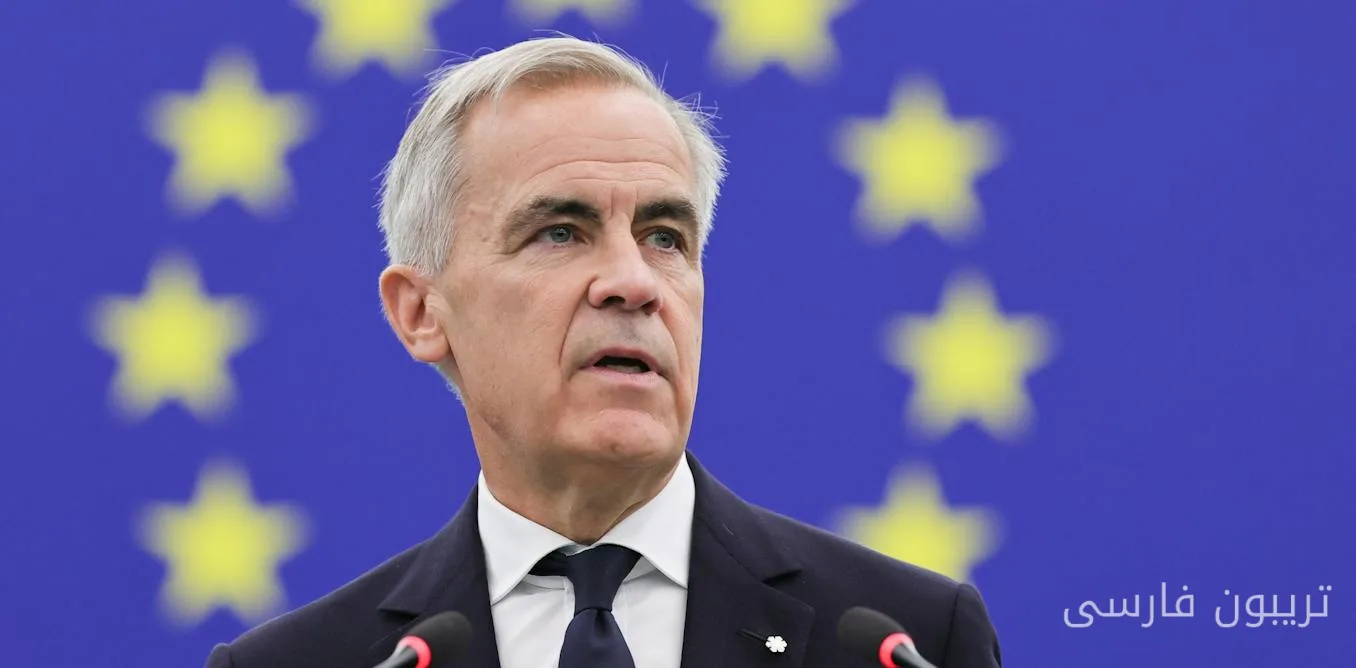
Mark Carney, the Prime Minister of Canada, announced in his speech at the European Parliament that "Europe and Canada are stronger together." He also supported Ursula von der Leyen's proposal, the President of the European Commission, to make Canada the first "associate member" of the European Union. Carney added: "Canada welcomes this ambition. A union for the future is a unique and positive approach that we will define together."
Background of Canada-EU Relations
Canada previously signed a preferential trade agreement with the European Union called the Comprehensive Economic and Trade Agreement (CETA) in 2016. Such free trade agreements are the usual legal frameworks that the European Union uses to manage its relations with its international partners. However, one way the European Union can enhance Ottawa's relations with Brussels is by looking at the model of "cooperation agreements" that the European Union uses to bring neighboring countries closer to its policies and programs.
Read more: China's Military Capabilities in Djibouti and Its Implications
Cooperation agreements have acted as a bridge to full EU membership for countries like Greece and Portugal. Current countries that are negotiating for EU membership, including Ukraine, Georgia, and Moldova, also all have cooperation agreements with the European Union that facilitate the process of meeting the necessary laws and standards for membership in the Union.
Challenges and Implications of Associate Membership
Establishing a new legal status as an associate membership requires changes to treaties, and this comes with significant obstacles. Consensus among the current EU member states is necessary for the approval of any amendments. Additionally, there are political risks associated with this change, as countries currently in discussions for membership may be concerned that their efforts to achieve full membership could be halted.
While some countries like Norway and Iceland have rejected full EU membership, their cooperation agreement with the EU, namely the European Economic Area (EEA) agreement, allows them access to the European single market. For Canada, weakening its position relative to its main market could have similar effects to those that Brexit had for the UK, with the difference that Canada is seeking to get closer to the EU rather than striving for independence from it.
Overall, the proposal for associate membership for Canada and the European Union could be a new and innovative approach to strengthening bilateral relations, but it requires careful examination and legal and political agreements. Ultimately, can Canada be recognized as the first associate member of the European Union, or is this proposal merely a solution to an unnecessary problem?
Read more: Houthi Attacks on Yemen: A Serious Threat to Regional and Global Security · Greg Stanton and the Challenges of Doing the 'Dirtiest Job in the World'