The escalation of tensions between the United States and Iran has turned into a competition in enduring economic pains and the political consequences that arise from it. This situation has developed since the collapse of the Memorandum of Understanding (MoU) in June, which had raised hopes for an end to the war. Both sides seem confident that they can outlast each other in this competition of endurance.
The Role of Houthis in Changing the Dynamics of War
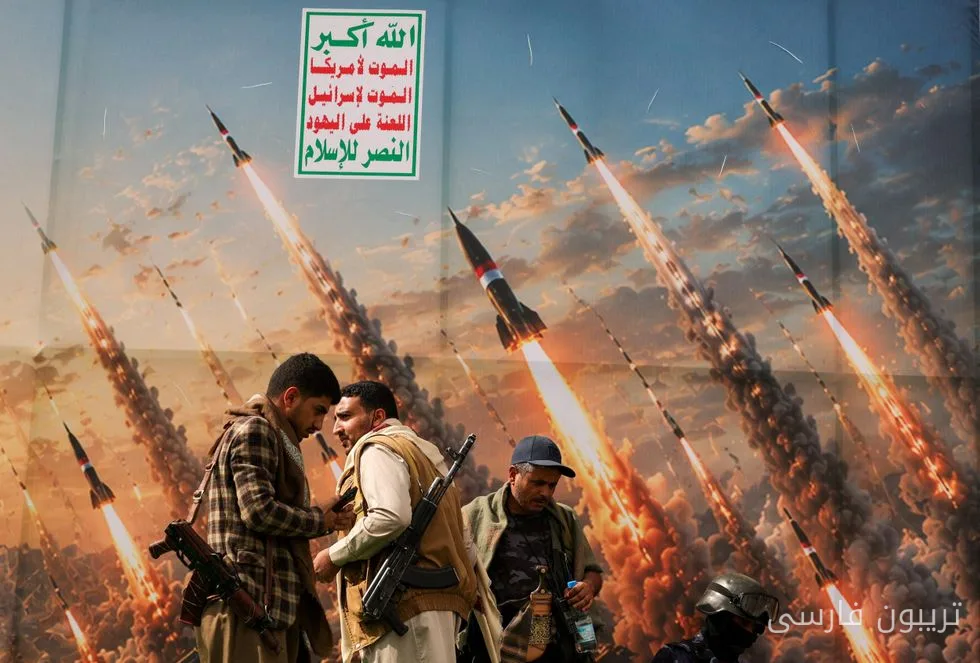
Despite some indications that Iran may resort to military escalation to break the existing stalemate, fundamental changes in this situation appear unlikely in the near future. One significant recent development that could alter this stalemate is military actions by the Houthis in Yemen. The Houthis, as a regime rather than just a militia group, have controlled Yemen's capital, Sana'a, since 2014 and have acted as the governing power over two-thirds of Yemen's population for years.
Read more: Vulnerability of U.S. Military Infrastructure in the Middle East and the Need for Reconfiguration
Recently, the Houthis have targeted Saudi ships in the Red Sea and specifically announced that they have established a blockade on Saudi vessels in this region. This action comes after years of Saudi airstrikes on Yemen, which has turned the country into a humanitarian disaster zone. These conflicts have intensified again last month, with a significant increase in exchanges of fire.
Economic and Political Consequences
The Houthis' attacks on Saudi ships in the Red Sea and their control over the port of Al-Mokha and the island of Perim enable them to carry out more attacks in these areas. These developments have reduced Saudi oil exports and placed them under greater economic pressure. Brent oil prices have risen above $100 per barrel, which will have significant impacts on the global market as well as the U.S. economy.
Moreover, the Houthis' activities could shift the balance of war between the United States and Iran in favor of Iran. High oil prices will lead to increased gasoline and diesel prices in the United States, resulting in greater dissatisfaction among American voters. While the Iranians are enduring more pain, the stakes are much higher for the Tehran regime, as their survival is at risk.
Therefore, given that the likelihood of Tehran capitulating has reached its lowest point, any end to the U.S.-Iran war will require a negotiated agreement. Like the previous Memorandum of Understanding, this agreement will likely include a ceasefire and a minimal framework that defers difficult issues to future negotiations.
Read more: Macron Emphasizes the Need for Strategic Autonomy in Europe · Negative Effects of Plastic Pollution on Seychelles' Beaches and Its Economic Resources