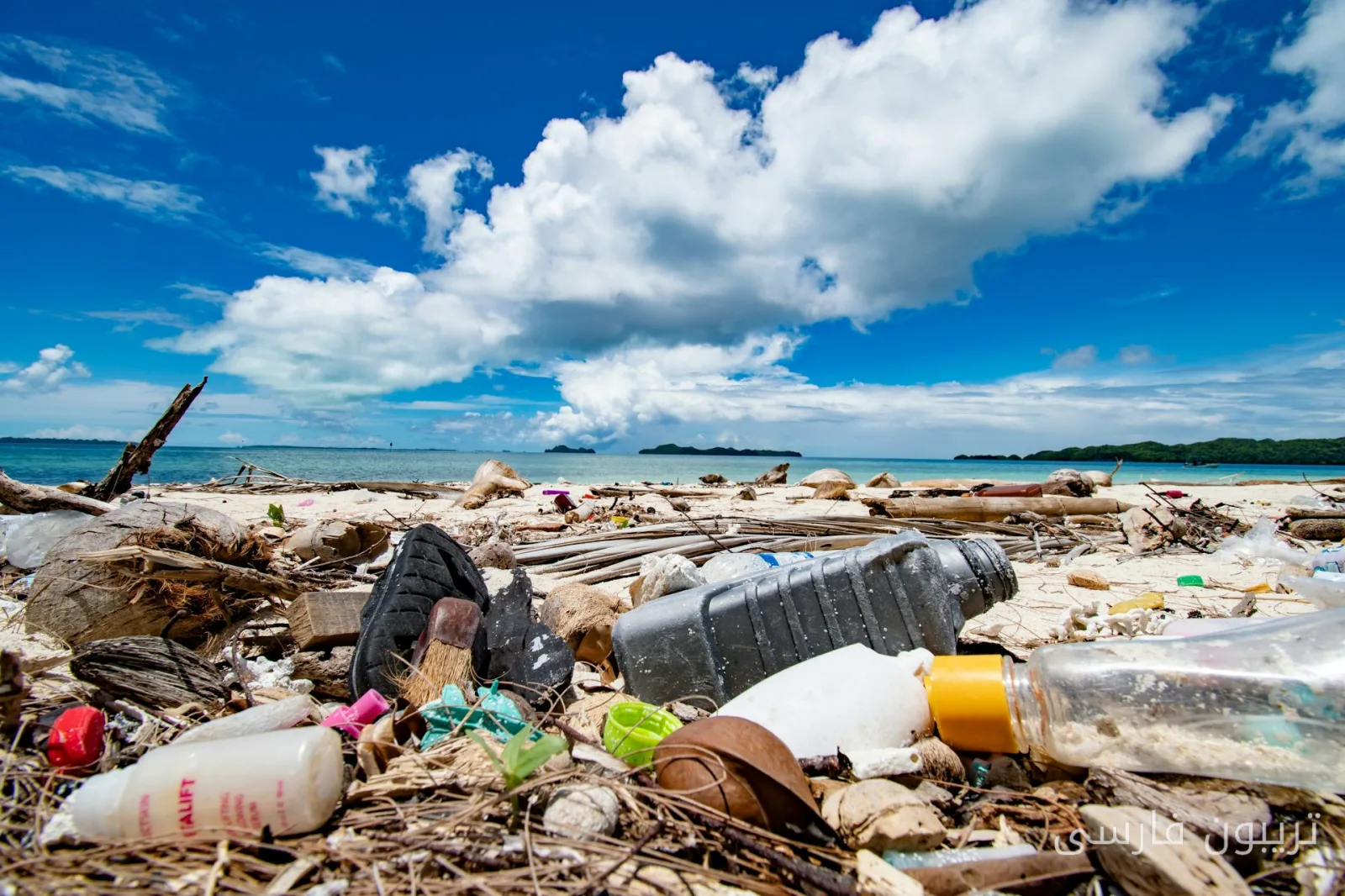
A large amount of plastic waste and fishing gear has reached the beaches of Seychelles, damaging the fragile ecosystems of the country. The Seychelles islands, which consist of 115 islands, are particularly at risk from this pollution, as these materials can severely harm the tourism and fishing industries that are the economic cornerstones of these areas.
Plastic Pollution and Economic Costs
Aldabra Island, recognized as a UNESCO World Heritage site, has accumulated over 500 tons of plastic on its shores alone. It is estimated that cleaning up this waste will cost around $4.68 million and require 18,000 hours of work. Due to the staggering cleanup costs, many small islands are currently facing serious economic challenges.
Read more: The Presence of Microplastics in the Sacred Springs of South Africa
Causes and Sources of Pollution
Research shows that most pollution originates from ships and fishing boats in the waters near Seychelles. This finding contradicts previous assumptions that pollution mainly comes from distant shores. Based on satellite data of ship activity over five years, it has been determined that most plastic waste on the beaches of Seychelles comes from these fishing boats.
European ships, particularly Spanish fishing boats, are heavily active in the waters of Seychelles. According to a report submitted to the Indian Ocean Tuna Commission, 76% of the fish aggregation devices used in this area belong to Spanish vessels. Meanwhile, fishing agreements between Seychelles and the European Union allow these ships to operate in these waters.
Ultimately, it seems that pollution from international shipping also exacerbates this crisis. Over 90% of the plastic waste on the beaches of Seychelles passes through five maritime routes aligned with the ports of various countries. This situation requires international cooperation and strengthening of existing laws to prevent waste dumping at sea.
As a result, Seychelles must calculate the costs associated with pollution to address this crisis and take action in future negotiations with the European Union for additional financial assistance. This action could help secure the necessary resources for cleaning and restoring damaged ecosystems.
Read more: Data Center Pollution: A Serious Threat to Public Health · The £120 Billion Cost of the Bank of England: Power Without Accountability