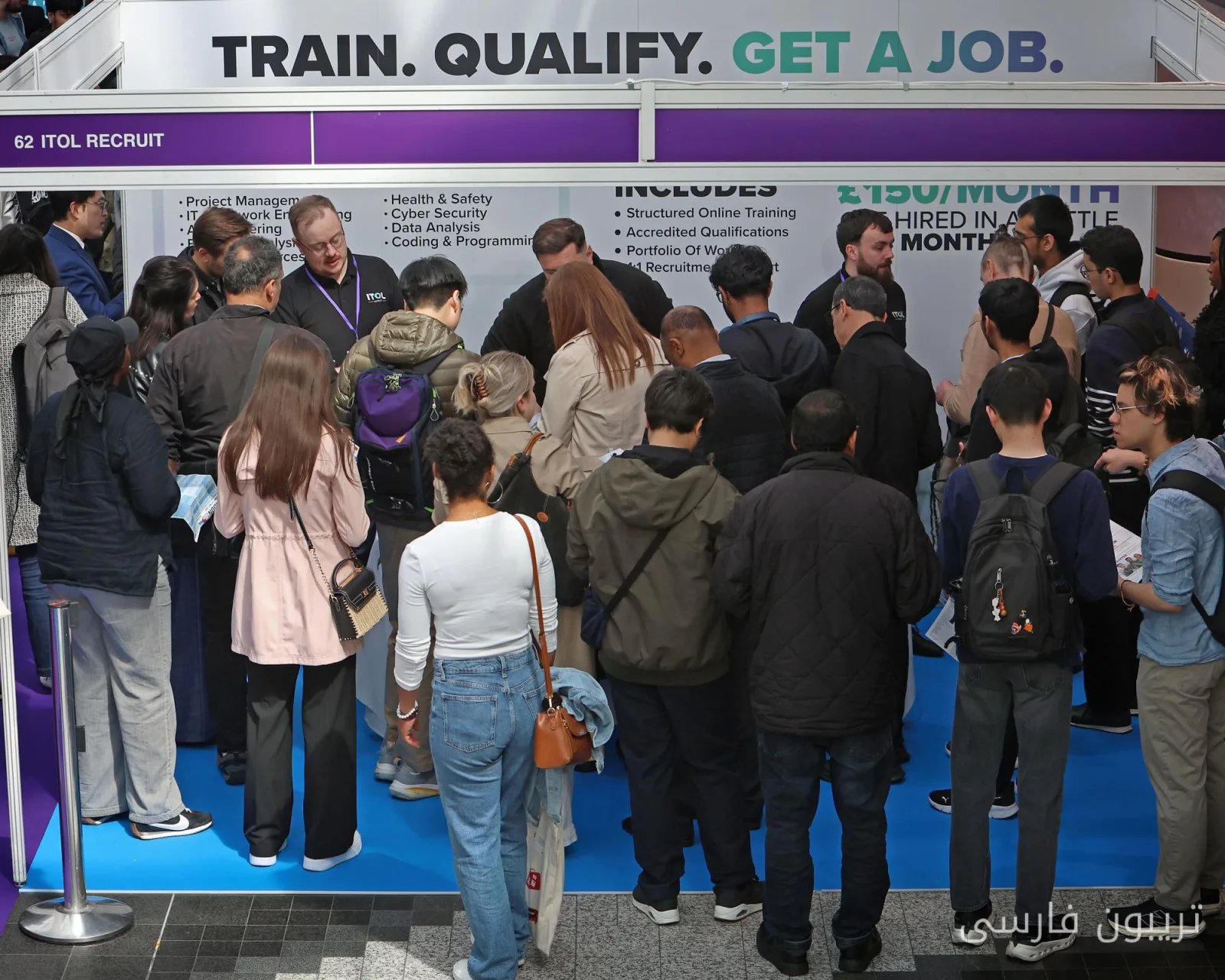
The young generation of Britain, especially those aged 18 to 25, face serious challenges during their transition to adulthood that require special attention and policy making. This age group, which traditionally lies between childhood and adulthood, clearly needs a new approach from the government to navigate economic and social crises safely.
New Developments in Policy Making for the Young Generation
The proposal to create special policies for individuals aged 18 to 25 has recently gained attention in British political circles. This shift in perspective has become necessary, especially given that 43 percent of 25-year-olds still live with their parents and many university graduates return home due to an unsuitable job market. In fact, this generation appears to be choosing to live as adults later, but is actually caught in a kind of limbo between childhood and adulthood.
Read more: Identifying the Rights of Métis: Challenges and Achievements in Canada
Challenges of Transitioning to Adulthood
The questions that parents and society face include how to support young people in dealing with economic and social problems. Should parents rewrite their children's job applications or let them learn on their own? This uncertainty reflects a deeper crisis in the process of transitioning to adulthood, which could have serious consequences for the future of society.
In this context, the Nuffield Foundation, which examines pathways to adulthood, emphasizes the need to recognize this specific period of life. Particularly, in other countries like the Netherlands, government responsibilities continue until the age of 24 or even 27, clearly indicating significant differences in approaches to supporting young people. Similarly, in Australia, mental health services for adolescents are provided from ages 12 to 25, while in Britain, these services quickly transition to adults, which can lead to more problems for young people.
Given the current economic conditions, this generation is not only struggling with unemployment and academic failures but also has to cope with social expectations and pressures. A study conducted by the IPPR institute shows that in a society where the transition to adulthood has become difficult, young people are increasingly hopeless about their future.
Ultimately, the question arises whether measures should really be taken for this generation or if they should be allowed to naturally reach adulthood. While some young people may be satisfied living with their parents, this situation can also be seen as a sign of an inability to begin independent living. At the same time, this situation requires careful examination and appropriate policy making to support young people during this sensitive period.
Overall, the young generation of Britain is in one of the most challenging stages of their lives and requires special attention and policy making to navigate this crisis and become successful adults.
Read more: Zakani: Energy management in Tehran will be handed over to the municipality · Research shows that the way of thinking affects emotions and mood