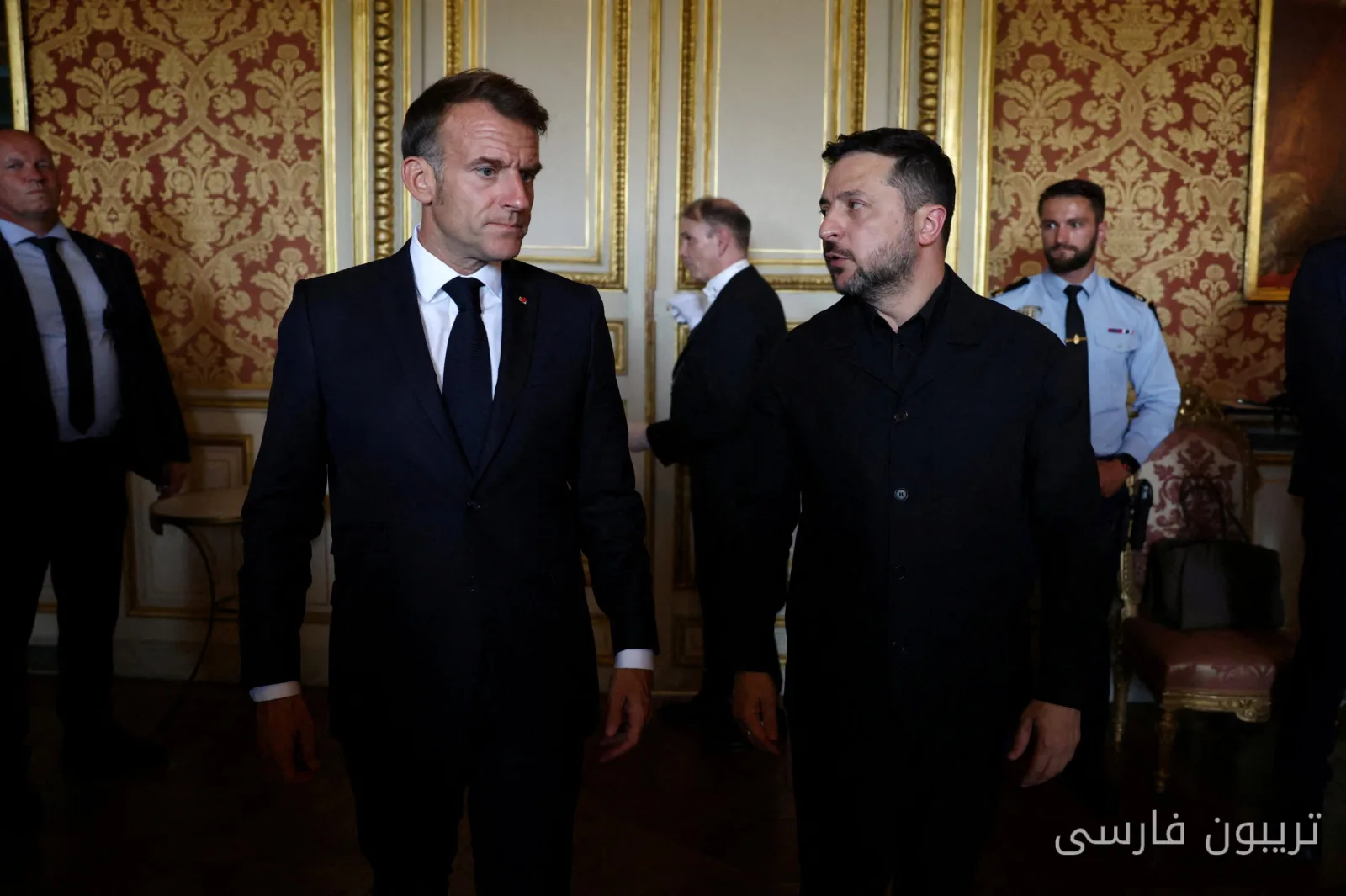
Emmanuel Macron, the President of France, has raised the idea of Europe’s strategic autonomy as a main priority since he came to power nearly a decade ago. This topic has consistently caused dissatisfaction among some of his European and American counterparts, but Macron seems to have achieved victory on this matter by the end of his presidency at the Élysée. However, whether Europe can truly turn this vision into reality remains uncertain.
Highlighting the Importance of Strategic Autonomy
On July 14, Macron decided to celebrate France's National Day by emphasizing Europe’s strategic awakening. He invited thirty-five countries of the “Enthusiasts” coalition to march down the Champs-Élysées. This display clearly conveyed the message that Ukraine's future is inseparable from Europe's security.
Read more: The U.S. House of Representatives Passed a Bill for Extensive Sanctions on Russia and Iran
Despite the symbolic glitz of the event, Macron can point to real achievements of this vision. European defense budgets have significantly increased, European joint spending programs prioritize European companies, and even those who previously doubted strategic autonomy are now echoing the viewpoints of this philosophy. This shift is evident in Denmark's response to American tendencies to control Greenland and also in Canada’s deeper relations with the European Union.
Challenges and Tests Ahead
However, the emergence of Europe’s strategic autonomy has not come easily. Russia's full-scale invasion of Ukraine in 2022 brought the closest threat of continental war to Europe since World War II. Additionally, the re-election of Donald Trump as President of the United States created real changes in European thinking. The result of these changes has been the identification of critical gaps in capabilities and the search for ways to replace or complement the strategic facilitation that has so far been provided by the United States.
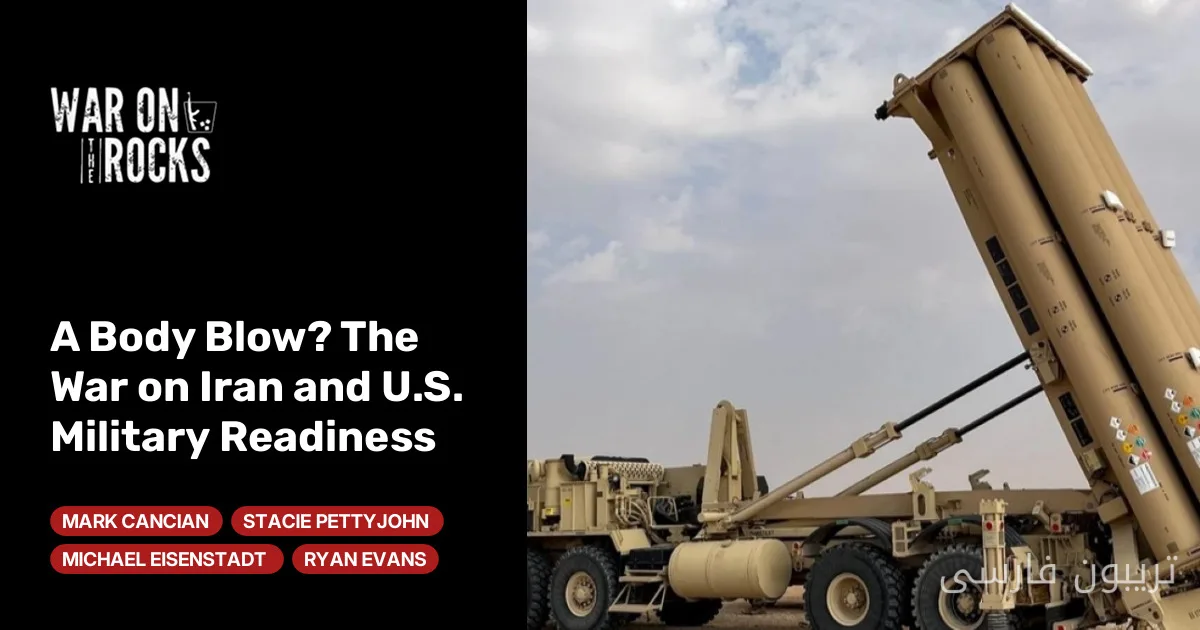
Perhaps no test is as immediate and vital for Europe as supporting Ukraine's defense. Kyiv is in urgent need of air defense systems, and Volodymyr Zelensky, the President of Ukraine, has requested 300 U.S.-produced Patriot missiles. However, by 2025, Zelensky reports that he will have received only half of what he received in 2023.
The formation of the “Enthusiasts” coalition in response to Trump’s ambiguous support for Ukraine is a sign of European solidarity and the need for action independent of Washington. Recently, European countries have stepped up to meet Ukraine's air defense needs. France, along with Denmark, Germany, Italy, the Netherlands, Norway, Spain, Sweden, and the United Kingdom, announced the formation of an integrated missile defense coalition.
These countries intend to align their industrial and defense technology bases together and utilize their operational experiences to support Ukraine's “Freyja” air defense project. This project promises to be a more cost-effective option compared to the U.S. Patriot system.
Ultimately, delivering real capabilities is where this vision of strategic autonomy will succeed or fail. The increase in national military spending by European countries alone cannot lead to enhanced collective capabilities. It may even result in fragmented rearmament, incompatible equipment, and competitive industrial supply chains.
Read more: Creating an Effective Social Contract for Climate Transition · America Must Be Prepared for Various Futures of Russia