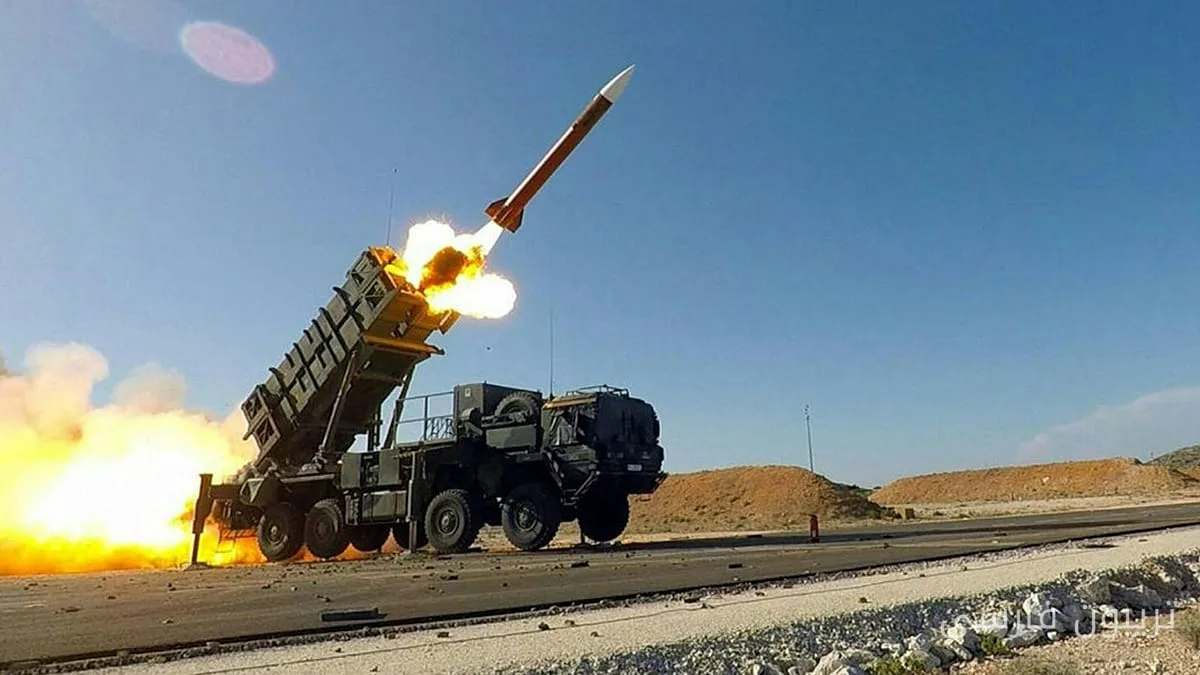
The war with Iran, which began in late February 2026, has not only incurred heavy financial costs for Washington but has also revealed one of the most sensitive vulnerabilities of the U.S. military: the stockpiles of advanced air defense systems. Multiple reports indicate that the United States has consumed a significant portion of its Patriot interceptor missiles, particularly the advanced "PAC-3 MSE" version.
Significant Reduction in Patriot Stocks
According to estimates from the Center for Strategic and International Studies, the United States had approximately 2,300 Patriot interceptor missiles before the conflict with Iran began. By the end of July 2026, this number had dropped to around 759 to 827; meaning nearly two-thirds of the stockpiles have been used. The situation is similar for THAAD missiles, with their numbers decreasing from about 452 to between 234 and 278, indicating at least a 38 percent reduction.
The war with Iran clearly demonstrates the pressure on U.S. defense stocks. The Congressional Budget Office has also stated that the war has cost at least $38 billion by August 1, and rebuilding the stockpiles may take five years. While U.S. officials speak of "virtually unlimited" stocks, reports indicate strategic shortages in inventory and bottlenecks in the industrial base.
General Motors' Entry into the Defense Supply Chain
The news of General Motors' collaboration with Lockheed Martin in the production of missile components can be interpreted as a solution to the Patriot stock crisis. The company has delivered its first shipment of critical components for the "PAC-3 MSE" missiles to Lockheed Martin. The production of these components has been carried out using General Motors' casting and precision machining capabilities, demonstrating the company's ability to produce defense equipment.
Steven DuMont, head of General Motors' defense sector, emphasized that the company's precision manufacturing expertise contributes to the production of critical defense capabilities. This collaboration not only helps strengthen the defense supply chain but will also lead to increased revenue for the company. In 2026, General Motors' defense business revenue reached approximately $700 million.
The reduction of Patriot and THAAD stocks has not only pressured the ability to defend U.S. bases in the Middle East but has also raised concerns about deterrence against China. The entry of automakers into the air defense missile supply chain is both a symbol of industrial creativity and a sign of the real pressure that prolonged wars place on advanced arsenals.
Read more: Development of Australia's data center and challenges of energy and water · Australia and the next UN Secretary-General need each other