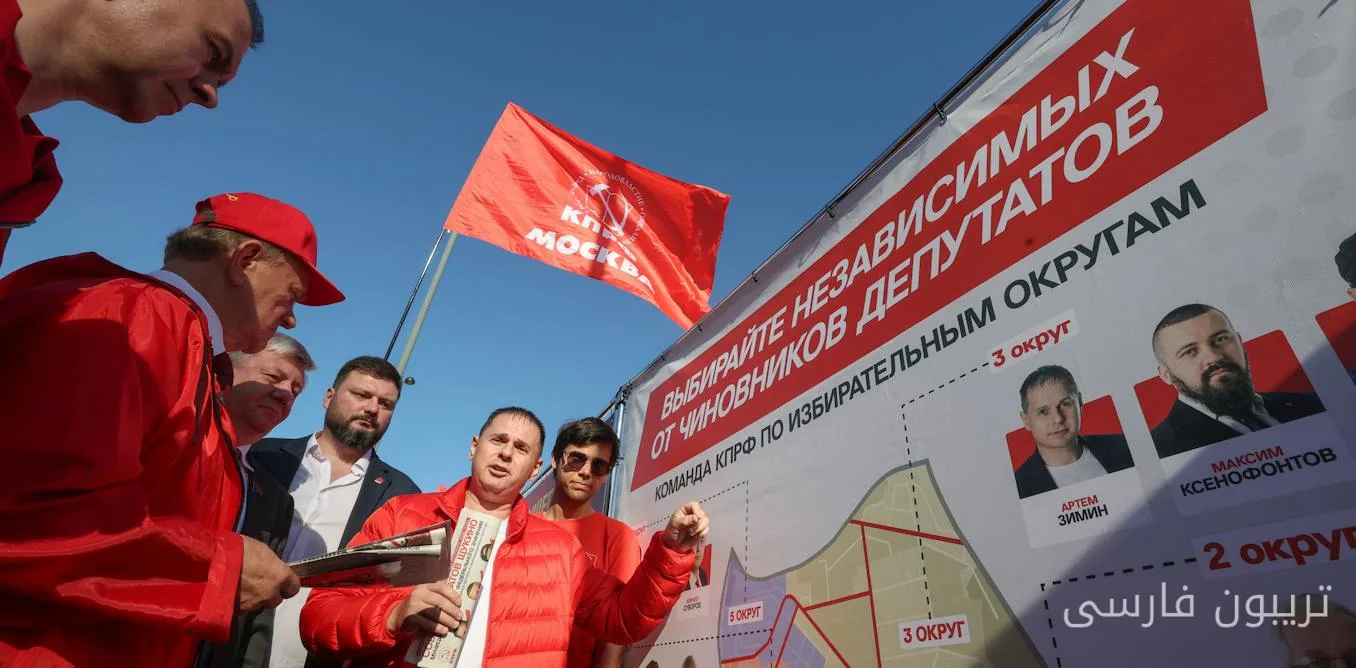
The Russian parliamentary elections will take place from September 18 to 20, 2023, during which representatives of the parliament (Duma) as well as 11 governors and representatives of regional assemblies will be elected. This will be the first parliamentary election since Russia's full-scale invasion of Ukraine in 2022. However, these elections will not be considered a measure of public opinion regarding the war, the economic situation, and other social issues.
Public Discontent and Electoral Control
Evidence suggests that Russians have many reasons to be dissatisfied with Vladimir Putin's regime. The war is currently in its fifth year, and it is estimated that there are 1.4 million casualties on the battlefield. Nevertheless, the elections will be meticulously managed to achieve a favorable outcome for the ruling party, United Russia.
Read more: Russia is Seeking to Test NATO's Resolve in the Baltic
In dictatorial regimes, elections are usually used as a tool to legitimize political systems. In Russia, these elections help Putin's regime assess voter sentiment and mobilize its key supporters. Although the parliament officially exists, it has been under the control of the United Russia party since 2003, and Putin traditionally stands above other state institutions as president.
Severe Restrictions on the Opposition
The Yabloko party, which is the only anti-war opposition party, has been barred from participating in the elections for the first time. This party was previously allowed to participate due to its liberal stance, but it now faces unprecedented crackdowns. Two of its deputies, Lev Schlossberg and Maxim Kruglov, have been sentenced to long prison terms on false charges.
In these elections, the use of remote electronic voting in many regions has been criticized as a tool for manipulating votes. Additionally, the Putin regime offers incentives such as lotteries and prizes for voters to increase participation rates, and at times applies pressure on public employees to vote for the ruling party.
Despite all these measures, the Putin regime shows signs of concern about its power and commitment to suppress any opposition. The upcoming elections will clearly reflect the significant challenges faced by Putin's regime in controlling social and political discontent in the country.
Read more: Introduction of Tourism Tax in England and Its Implications for the Hospitality Industry · Changes in Election Financing and Its Impact on Political Competitions