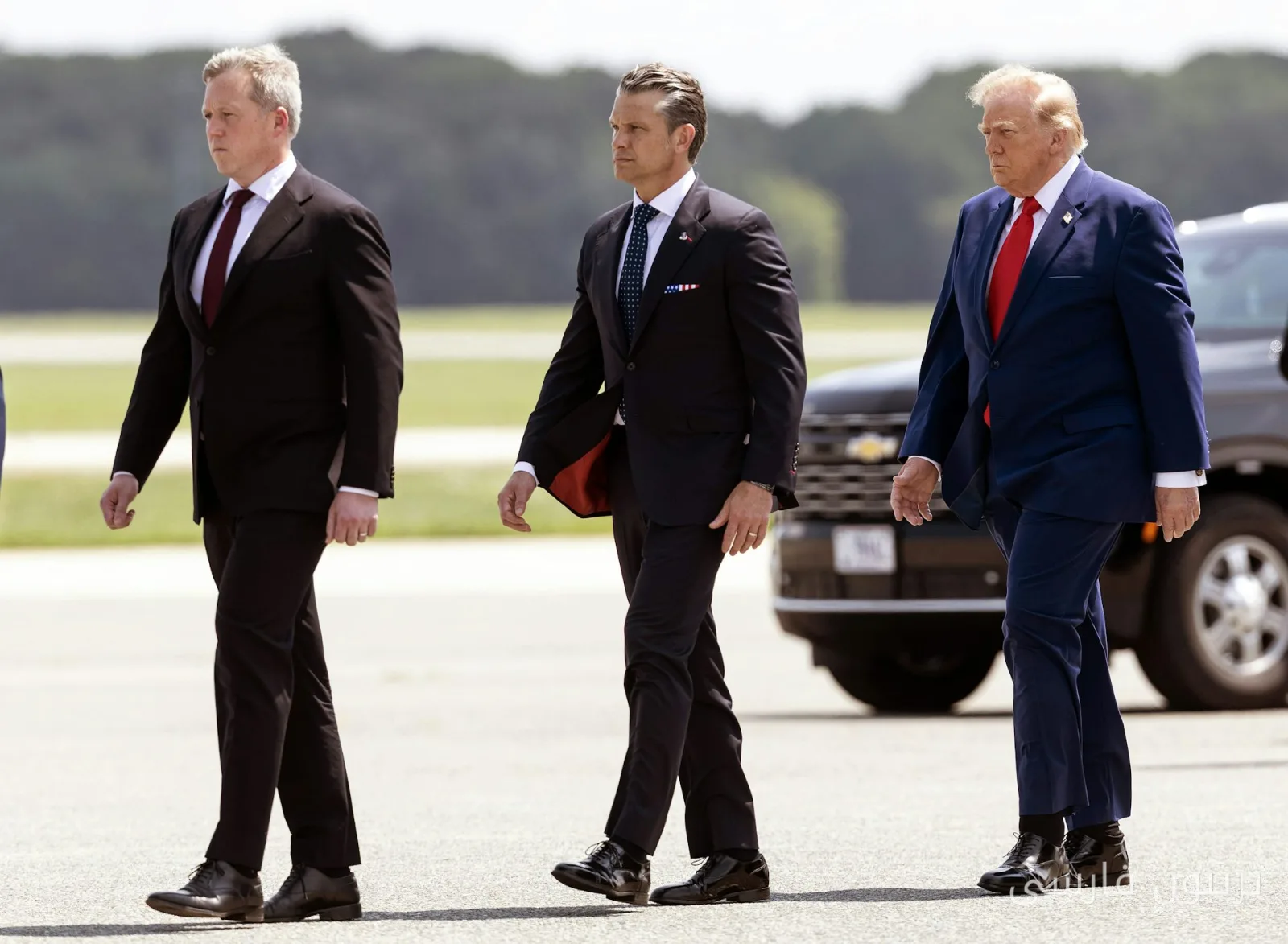
Pete Hegseth, as the U.S. Secretary of Defense, has addressed significant changes in the military leadership structure by blocking military promotions. These actions come at a time when the military is in the midst of a war with Iran and is in dire need of effective and diverse leadership. The resignation of Dan Driscoll as Secretary of the Army on August 31, 2026, has exacerbated this crisis, leaving the military without a civilian leader confirmed by the Senate.
The Impact of Hegseth's Decisions on Military Promotions
Since his appointment in January 2025, Hegseth has blocked the promotions of over 80 admirals and generals, with the rationale for these actions often attributed to diversity efforts and “wokeness.” For instance, one officer whose promotion was blocked had written an article about the impact of political polarization on recruitment. Similarly, another officer was removed from the promotion list due to a misunderstanding regarding the existence of an advisory group for women paratroopers in his unit. These actions have clearly increased distrust in the military promotion system and have specifically negatively impacted women and racial minorities.
Read more: The War Against Iran Revealed the Vulnerability of U.S. Military Infrastructure in the Persian Gulf
Cultural and Social Consequences in the Military
Currently, more than half of the officers who have been denied promotions are women or Black, while 79% of military officers are male and 74% are white. These actions have somewhat reinforced a “brass ceiling” that refers to the limitations on promotions for women and Black service members. These changes not only affect diversity in military leadership but also pose the risk of creating a culture where racial, gender, and sexual discrimination can easily take root.
Despite recent successes in military recruitment, which have significantly met recruitment goals in fiscal years 2025 and 2026, Hegseth claims that this success is due to trust in civilian and military leadership. However, research shows that market factors and the need for recruitment are the main drivers in encouraging young people to serve in the military. Meanwhile, Hegseth and other members of the Trump administration mistakenly believe that ideology can influence the recruitment structure.
History shows that the military needs better diversity and representation. During the Vietnam War, a significant number of Black and Latino individuals were killed in combat, while their leadership was predominantly white. Efforts to improve racial relations in the military began in the 1970s and were aimed at reducing racial tensions with the establishment of the Department of Defense Equal Opportunity Management Institute. Hegseth's approach seems to have reinforced a culture of discrimination and limitations in promotions rather than improving the situation.
Read more: The Race for the Position of UN Secretary-General and Upcoming Challenges · Allan Saint-Maximin's Brave Action Against Racism