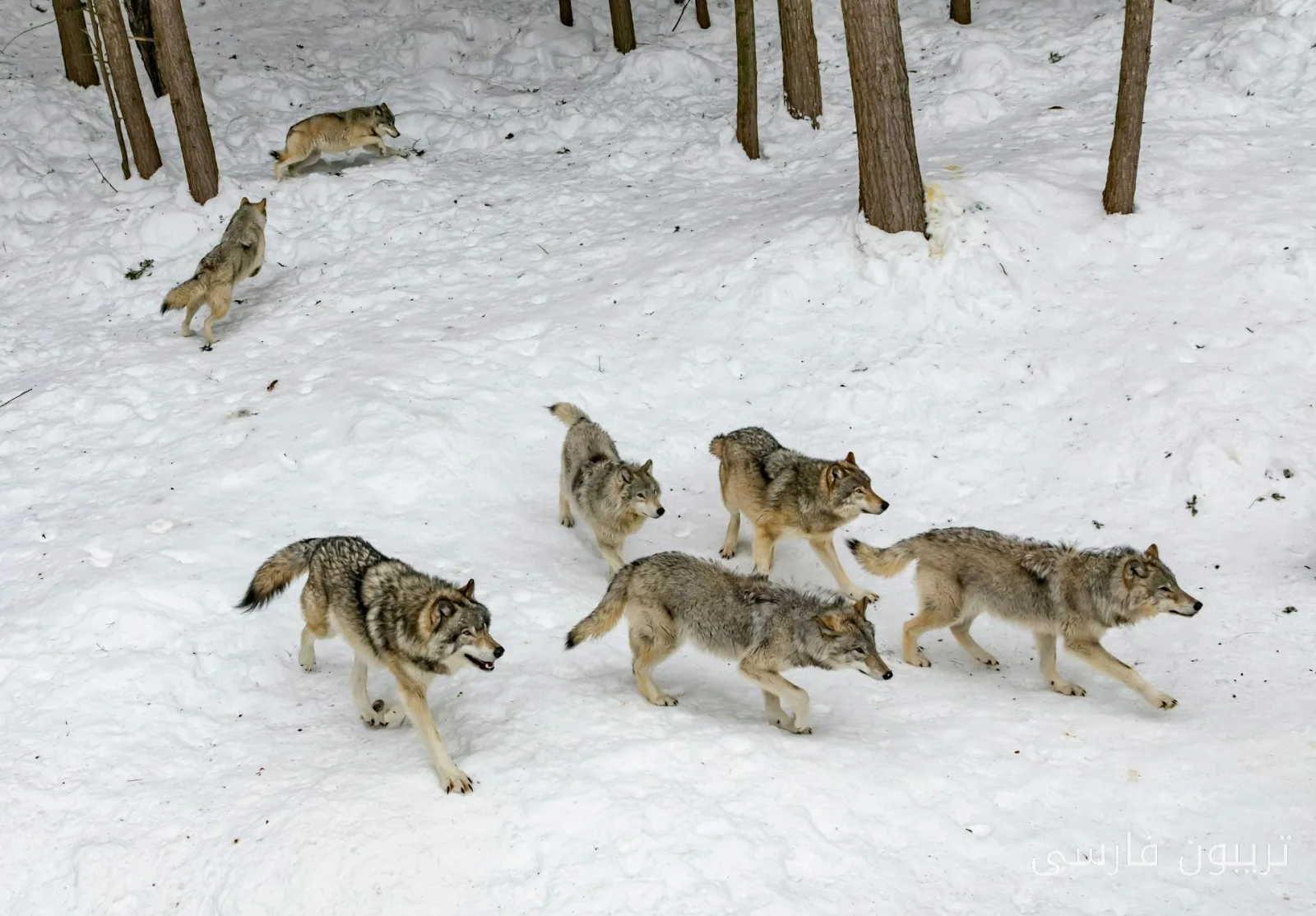
The government of British Columbia is facing widespread criticism due to its controversial wolf killing program. This program, which has been in place for over a decade and has cost taxpayers $13 million, was initiated in response to the decline in caribou populations across the province. While the government emphasizes the impact of predators on caribou, it overlooks the habitat destruction caused by human activities.
The Role of Habitat Destruction in Caribou Population Decline
Habitat destruction is recognized as the primary factor in the decline of caribou populations. This destruction is caused by natural events and resource extraction. With increased competition for resources and heightened predation risk from wolves and other predators, caribou face serious challenges. However, the government of British Columbia continues to approve deforestation projects in caribou habitats, resulting in caribou losing more habitat in recent years than they have gained. Some researchers believe that killing wolves may actually contribute to the habitat destruction of caribou. The killing of wolves has failed to address this ecological destruction and may create new challenges.
Read more: Local Needs in Climate Services in Africa: The Real Voice of Users
The Role of Culture and History in Wolf Killing Policies
The government of British Columbia believes that killing wolves can help improve the status of caribou, but this approach ignores that other predators are replacing them in accessible habitats. This creates new challenges, as some predators, such as brown bears, are themselves endangered species whose futures are also at risk.
The methods of killing wolves have gradually evolved through military techniques. The wolf killing program in British Columbia includes the use of military weapons in aerial operations. Additionally, the government employs what are known as "Judas wolves." Tracking collars are placed on specific members of a wolf pack, and then aerial shooters track them down and kill all members of the pack.
This military mindset contributes to a long history of using "wolf" as a representation of racial and migratory threats, linking human and animal processes. This image of a monstrous wolf legitimizes violence against them. Both wolves and caribou hold spiritual significance for many Indigenous nations, and some Indigenous nations, such as the Gitxsan Nation, have strongly opposed this wolf killing program.
Ultimately, the British Columbia government's approach to killing wolves and ignoring habitat destruction not only fails to address the caribou crisis but also leads to new challenges in wildlife management. This situation highlights the need for a more comprehensive and sustainable approach to managing natural resources and wildlife in the region.
Read more: The Strategic Importance of European Soil and the Need for Urgent Action · Advanced Economy Achieves Tangible Results