Pittsburgh, a city once known for its industrial activities, is now gaining attention due to environmental changes and efforts to rehabilitate contaminated areas. In this context, former industrial sites, particularly Hazelwood Green, play a significant role in restoring microbial ecosystems and responding to pollution.
History and Pollution Challenges
Industrial sites are typically identified as areas severely affected by pollution. In Pittsburgh, Hazelwood Green, which was formerly a site for steel production, is now recognized as a new research and technology hub. However, the lands in this area are in difficult conditions due to contamination with toxic compounds including petroleum hydrocarbons and heavy metals.
Read more: About the Diminution of Word Value; from 'Excellent' to 'Disaster'
These pollutants pose not only a threat to humans but also a serious challenge to microbial ecosystems. In these conditions, microorganisms respond remarkably to these pollutants and can act as solutions for cleaning up these areas.
Microbial Research and Its Findings
Research at Carnegie Mellon University shows that microorganisms in these areas have adapted to the pollutants, and some even have the ability to degrade toxic compounds such as BTEX (benzene, toluene, ethylbenzene, and xylene). Over time, under the pressure of pollution, these microbes have made changes to their genetic structure and developed new capabilities for survival and growth.
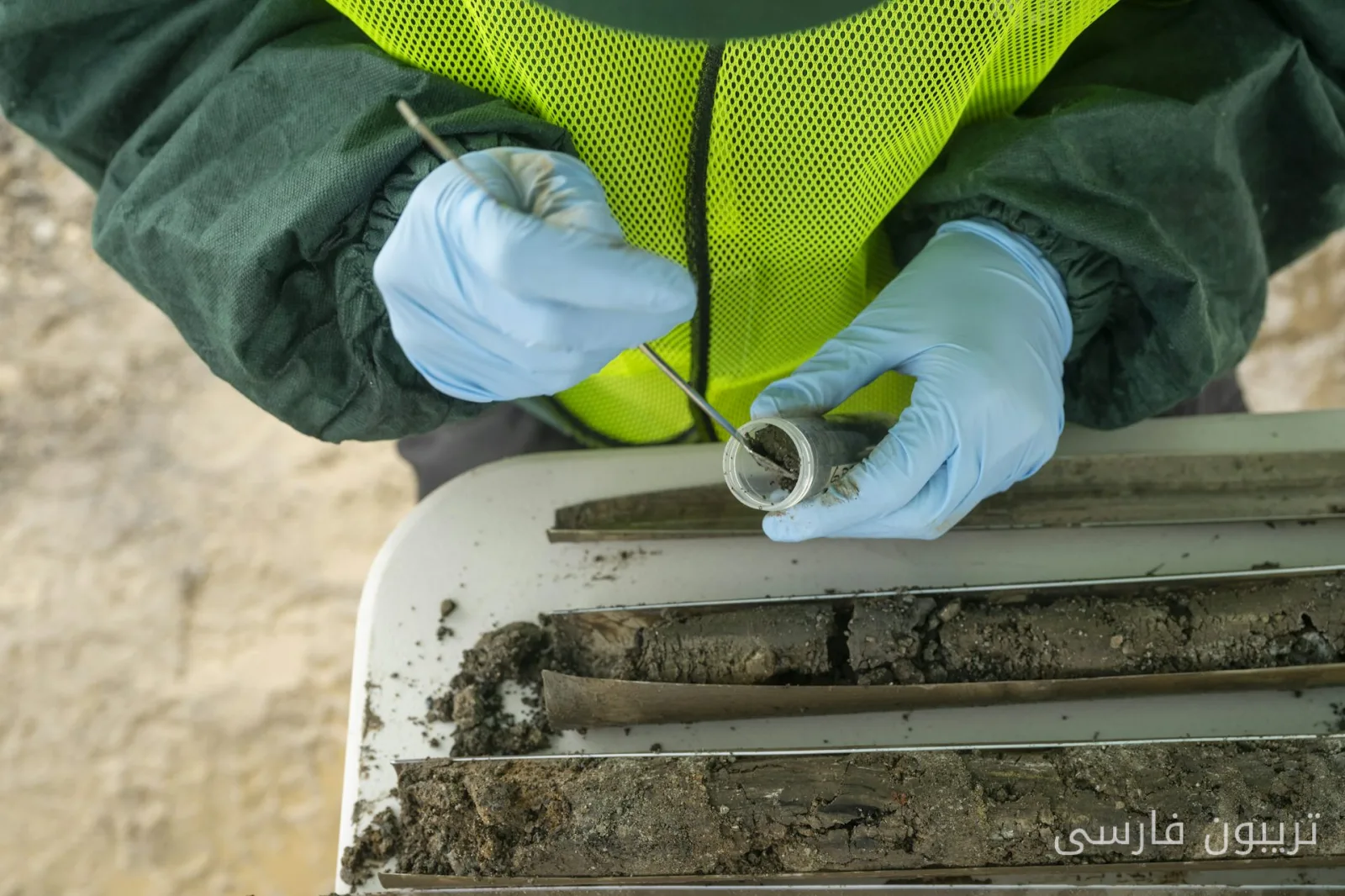
Researchers have collected soil samples from various areas of Hazelwood Green and used advanced DNA sequencing techniques to study the diversity and capabilities of these microorganisms. These studies aim to identify specific genes related to the degradation of pollutants and to examine the impact of past pollution on microbial communities in this region.
This research demonstrates how microorganisms can turn into a "natural laboratory" due to industrial pollution. The findings of this project not only contribute to a better understanding of microbial adaptation but can also serve as a model for cleaning other industrial sites in the future.
Ultimately, this research represents a milestone in environmental science and microbiology. By leveraging this knowledge, we can help improve cleanup processes in contaminated areas and protect the environment.
Read more: Climate Change and the Spread of Invasive Species in Marine Ecosystems · Sustainable Development or Corporate Deception: Deforestation Apparently Environmentally Friendly