In today's world, climate services are recognized as essential tools for managing natural disasters and predicting climate change. However, in the African continent, it seems that these services are not sufficiently accurate or tailored to local needs. Users of these services, from farmers to local managers, acknowledge the importance of precise and indigenous information.
Information Challenges in Africa
African farmers, who are heavily reliant on weather forecasts, say that the mismatch between the information provided and local realities can have serious negative impacts on their production. These farmers need not only to be aware of the weather conditions but also to have access to information that is specifically relevant to their region.
On the other hand, local managers and decision-makers also emphasize that for effective planning, they need accurate and detailed data. These individuals want to know how they can best manage resources in light of climate changes and provide better services to their communities.
The Necessity of Attention to Local Knowledge
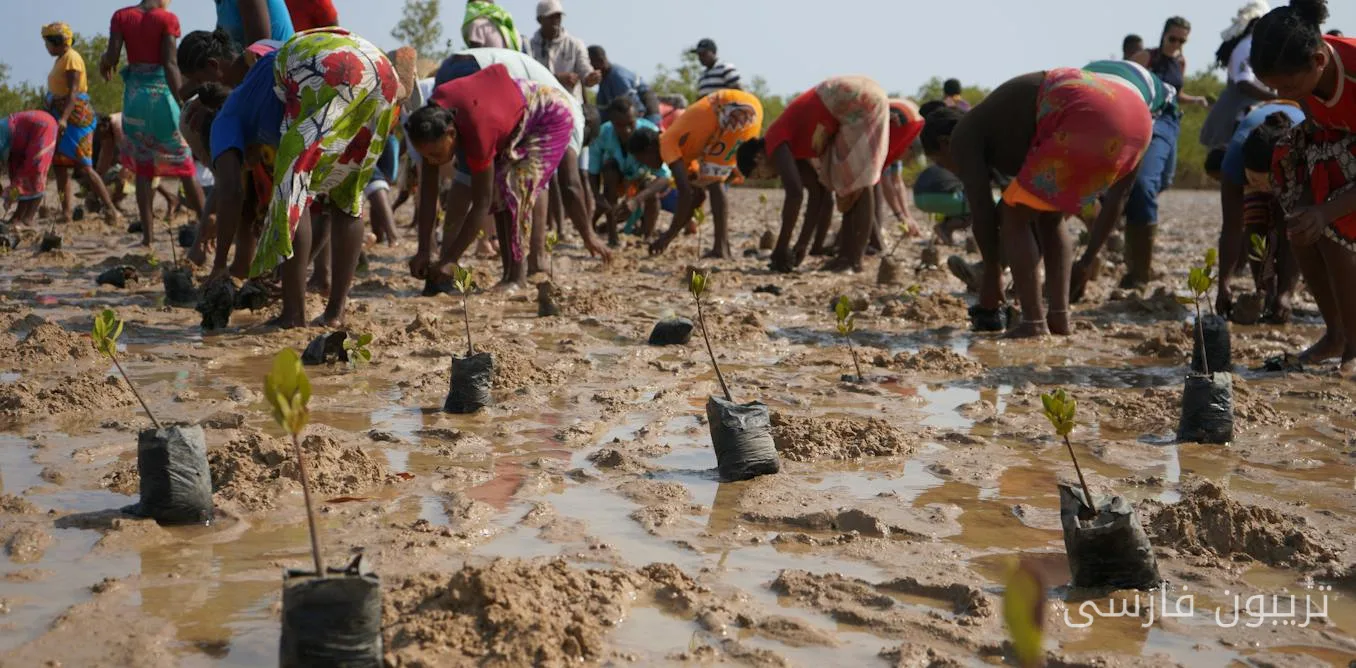
One proposed solution for improving the situation is to enhance collaboration with local communities and utilize their indigenous knowledge. This action can help create better predictive models that align with the real needs of people. For example, establishing networks of farmers and researchers can share more accurate information and contribute to improving climate services.
Ultimately, it seems that to improve climate services in Africa, we need fundamental changes in how data is collected and presented. These changes can lead to better quality of life for people and assist in adapting to climate changes, but they require the will and cooperation of all stakeholders.