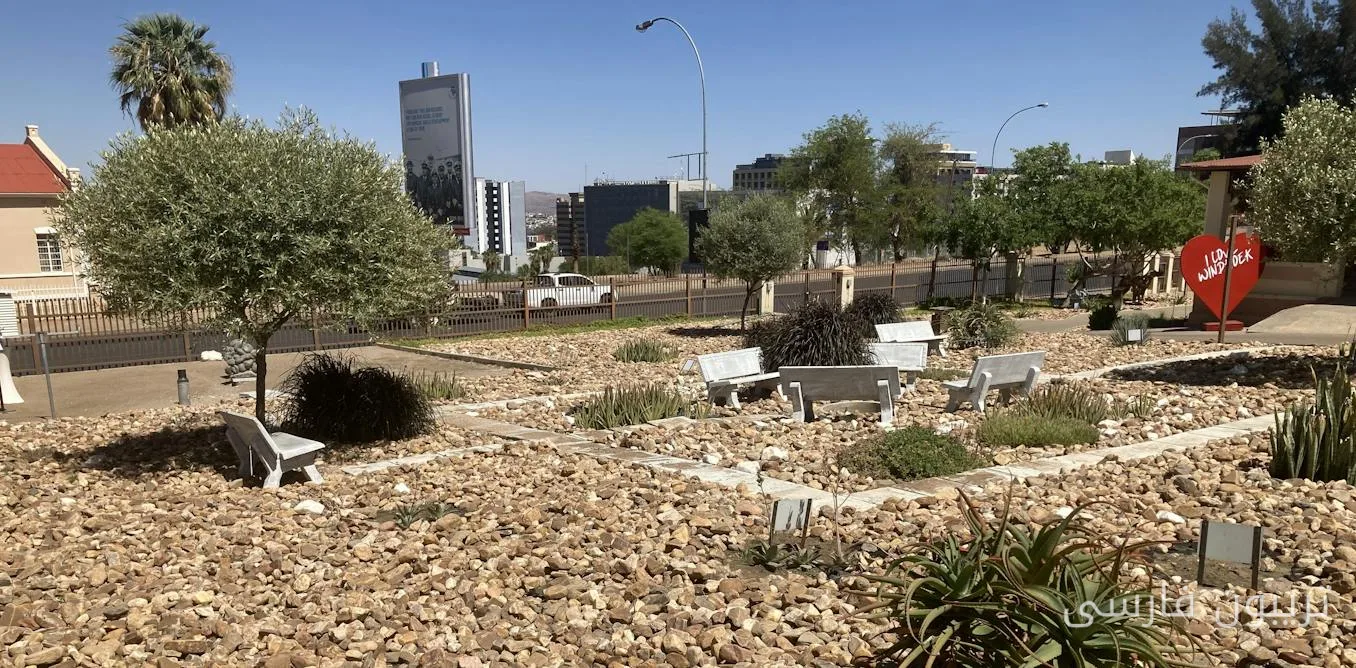
Windhoek, the capital of Namibia, with its rapid expansion among hills and valleys, has become a symbol of climate challenges in African cities. With temperatures rising to 40 degrees Celsius and low, unpredictable rainfall, life in this dry city is becoming increasingly difficult. Similar conditions are observed in other dry cities like Gaborone in Botswana, which are facing heat, water shortages, and frequent droughts.
Climate Challenges and Lack of Natural Solutions
Research shows that while Namibia has good climate policies on paper, these policies mainly focus on risk and disaster management, and the use of natural solutions for adapting to climate change is not included in discussions. As a result, there is limited guidance on how to incorporate these solutions into urban planning, and Windhoek continues to rely on gray water systems and concrete dams.
Read more: The Presence of Microplastics in the Sacred Springs of South Africa
Studies indicate that locals can value Windhoek's dry landscape as part of their natural and cultural identity with the slogan "Brown is Beautiful." This change in attitude could help shift the city's approach to the environment and reinforce the need to incorporate natural solutions into urban programs.
Recommendations for Adapting to Climate Change
Research suggests that Windhoek should leverage its dry landscape to address heat, drought, and flooding. Urban programs should include environmentally friendly designs such as bioswales, earthen berms, and drought-resistant native plants. These solutions should not only be tailored to Windhoek's specific landscape but also consider the needs of the community and wildlife.
Implementing nature-based designs as part of global climate change policies is gaining attention, but dry countries like Namibia need solutions that are compatible with water scarcity and sensitive desert ecosystems. In Windhoek, informal settlements are rapidly expanding, highlighting the urgent need for basic infrastructure.
Ultimately, community-driven initiatives are recognized as important tools in adapting to climate change in Windhoek. These initiatives include permaculture gardens and local water harvesting systems that not only contribute to food security and water conservation but also strengthen the sense of community belonging.
As a result, changing attitudes and incorporating natural solutions into urban planning can help Windhoek face climate challenges and provide a healthier and more sustainable environment for its citizens.
Read more: Big Changes in the Fashion World: California's Plan for Managing Textile Waste · Challenges of Data Centers in Australia and Their Impact on the Future of Technology