New research in the field of the environment examines positive turning points and their impact on environmental advancements. This research shows us how positive changes can suddenly and on a large scale occur in complex systems, especially in areas such as clean energy, ocean conservation, and pollution reduction.
Challenges and Opportunities
While environmental changes are traditionally seen as gradual processes, the science of positive turning points indicates that many complex systems can change suddenly. For example, solar energy has seen about a 90% price drop over the past decade, as the sale of each new panel led to further innovations that reduced costs and improved performance.
Read more: Consequences of War and Climate Crisis: From the Strait of Hormuz to the Forests
This phenomenon is known as a "chain reaction" in which success in one area can lead to further advancements in other areas. For instance, the emergence of renewable energy has contributed to improved air quality, reduced greenhouse gas emissions, and facilitated the transition to electric transportation.
Turning Points and Social Impacts
One of the most important points of this research is identifying solutions that can transition more quickly and easily from current polluting systems. For example, using new technologies in clean cooking can help reduce human casualties caused by air pollution. Currently, about 2.1 billion people worldwide use fossil fuels for cooking, leading to nearly 3 million deaths annually.
Additionally, reducing methane emissions, which are responsible for about 30% of global warming, can quickly lead to a decrease in global temperatures. New technologies can identify methane leaks and easily carry out repairs, which in itself saves costs.
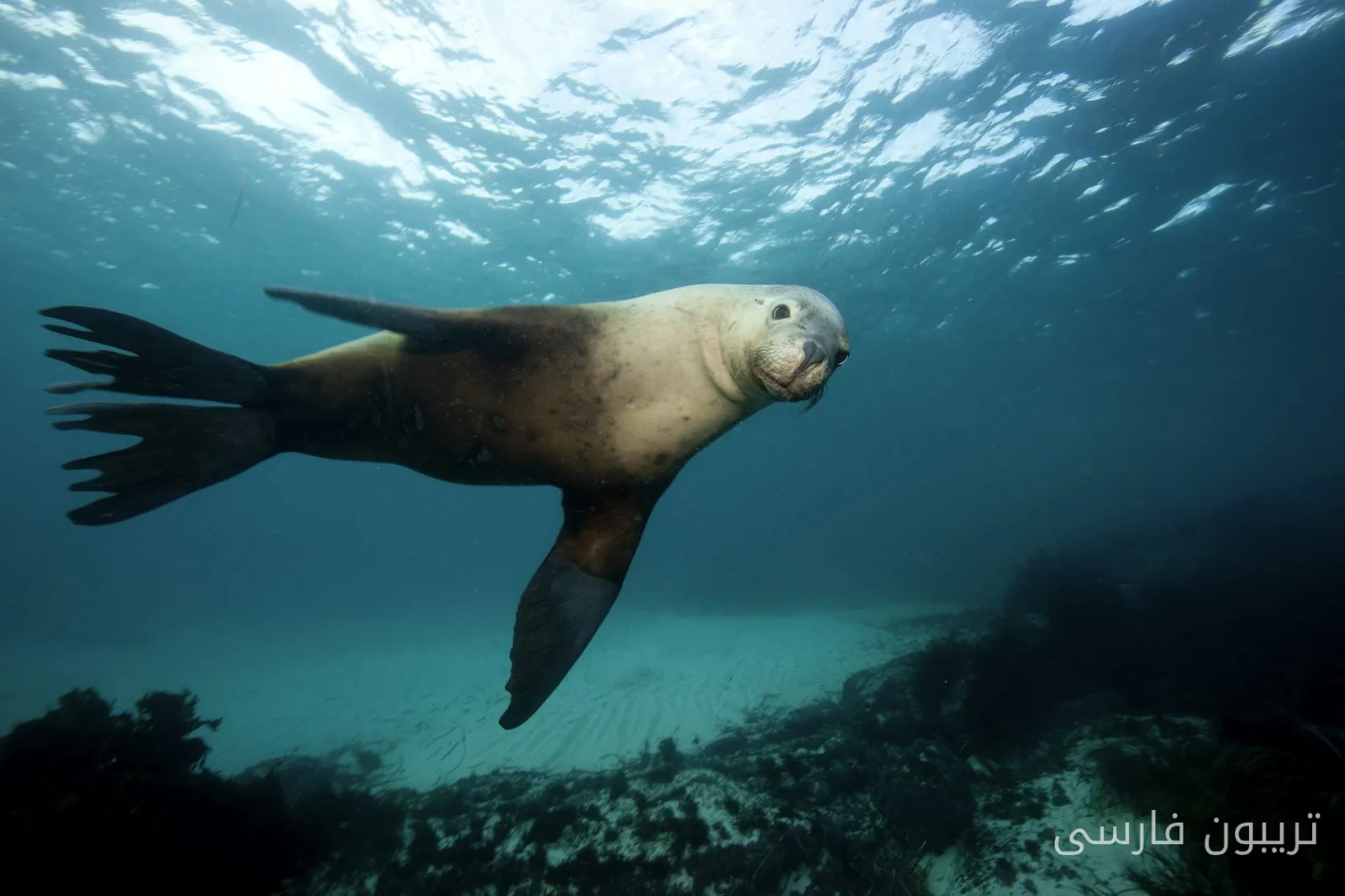
Research shows that creating marine protected areas can lead to increased biodiversity and improved living conditions for local fishermen. In these areas, fish populations are typically four to seven times greater than in surrounding waters, which can help improve the livelihoods of local people.
However, one of the biggest barriers on this path is the lack of investment. Specifically, the African continent accounts for only 3% of clean energy investments, while 60% of the world's best solar energy resources are located on this continent. Therefore, improving financing methods can help facilitate investment in sustainable projects.
Ultimately, by using this research to shape how we seek environmental awards, we can identify positive turning points that help accelerate environmental advancements.
Read more: A New Vision for Wildlife Conservation with Drones in Africa · Naomi Klein and Astra Taylor: The End of the World is Now on the Table