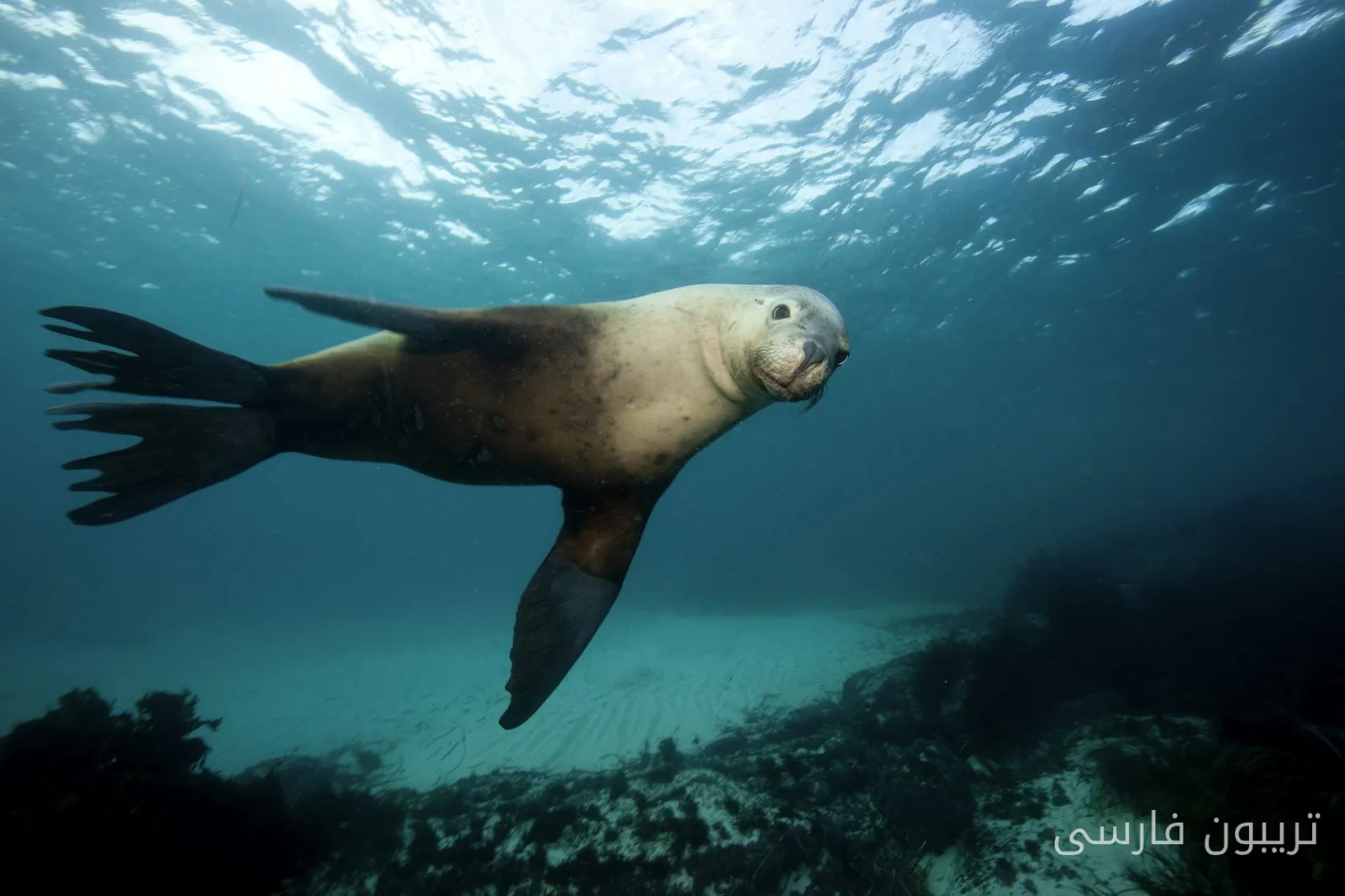
A rare Australian sea lion (Neophoca cinerea) has been identified on Kangaroo Island as the first confirmed case of death caused by H5N1 avian influenza in this species in Australia. This sea lion had recently been attacked by a shark and was weakened. Tests revealed that the cause of death for this animal was the H5N1 virus. Investigations are also underway regarding the death of another sea lion.
Concerns About the Status of Australian Wildlife
This is the first confirmed death caused by H5N1 avian influenza in Australian sea lions, marking a serious and concerning moment for wildlife in Australia. Australian sea lions are the rarest species of pinniped that breed along the coasts of Australia and are considered endangered. The population of these sea lions has decreased to less than 12,000 individuals. Due to their slow breeding rate, even a limited outbreak of influenza can have serious effects on breeding colonies.
Read more: Trump Administration Seeks to Weaken Endangered Species Act
A strain of avian influenza currently circulating in Australia and New Zealand affects both mammal and bird species. Since 2021, this virus has caused widespread deaths in some species of sea lions and seals abroad, particularly in South America. This virus is even capable of infecting and killing dolphins.
How the Virus is Transmitted to Sea Lions and Dolphins
We do not have much information about how this virus is transmitted to pinnipeds, but several key points are clear. The H5N1 strain of avian influenza was first identified in 1996 and is referred to as “highly pathogenic,” indicating its ability to cause severe diseases.
In 2020, this virus mutated into a new and more deadly strain capable of infecting more species. This virus is no longer just a threat to birds. Since 2021, this strain has caused widespread deaths in pinnipeds (sea lions, seals, walruses, etc.). In Argentina, over 17,000 southern elephant seal pups have lost their lives. After the virus reached Heard Island in Australia, drone surveys identified over 13,000 dead specimens of the same species.
The virus appears to be transmitted to pinnipeds through birds. When sick and infected birds die on the breeding islands of sea lions, the virus can be transmitted through direct contact, scavenging on carcasses, or contact with sand, rocks, water, feces, or secretions. Sick birds can and often do sneeze and cough, spreading viral particles.
However, direct transmission from mammal to mammal has not been definitively proven in most cases of mortality among wild marine mammals. Yet, the rapid deaths of a large number of seal pups suggest that the virus is capable of spreading among them. The virus is likely to spread more rapidly in dense colonies of sea lions and seals.
Ultimately, the death of this sea lion indicates that the burden of avian influenza will extend far beyond birds. This strain of the virus poses a widespread threat capable of impacting entire ecosystems. We must do everything we can to protect these endangered species.
Read more: One-Third of Migratory Birds at Risk of Extinction; A Warning for Nature · The Impact of Shocks and the Long Shadow of John Howard on Australian Politics in the 21st Century