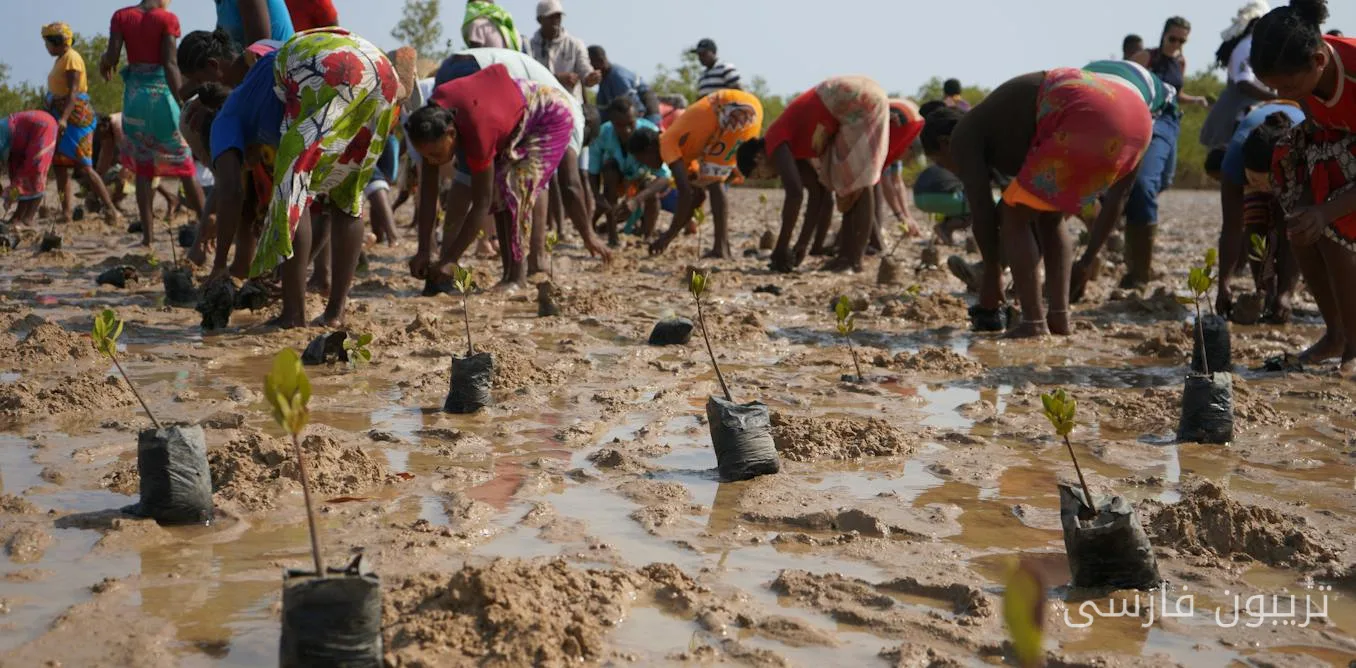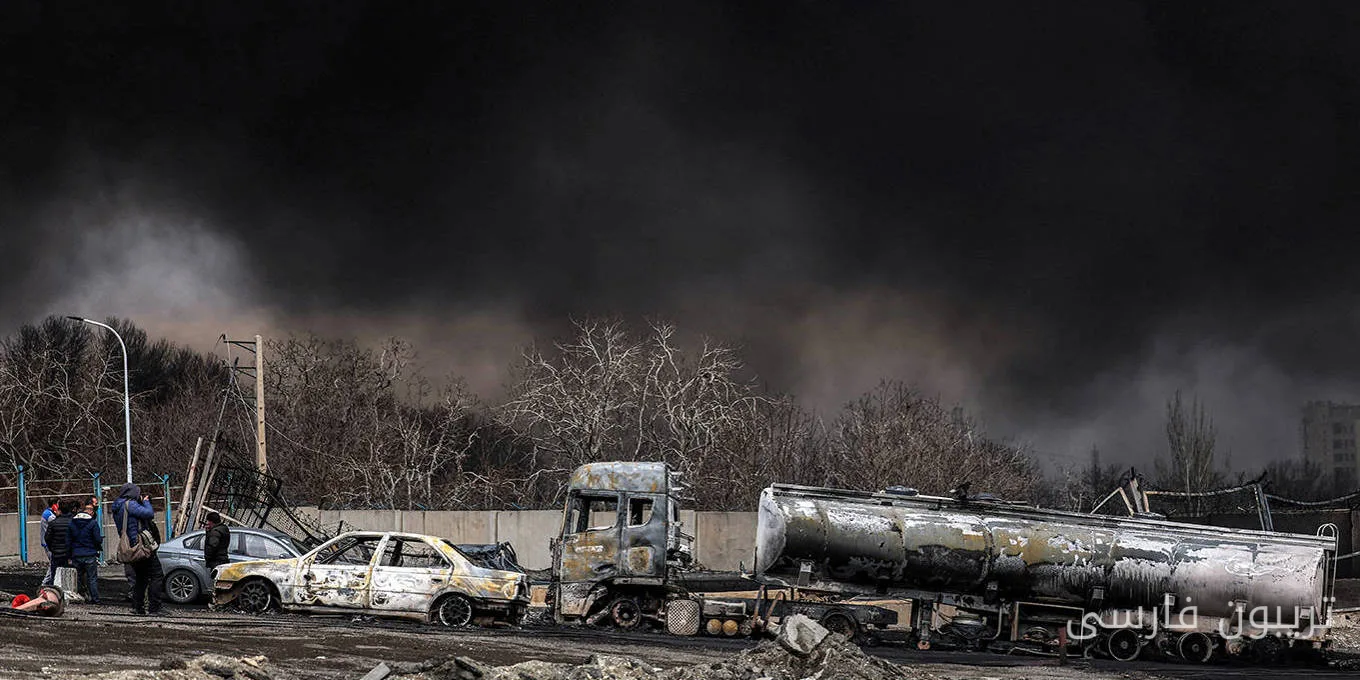
In recent years, climate change and wars have increasingly become interconnected. The closure of the Strait of Hormuz, one of the vital oil transport routes, clearly showed how a conflict in one part of the world can have profound and immediate effects on global energy markets. This event not only affected oil prices but also pushed governments towards fossil fuels like coal and biodiesel. These changes not only fuel the energy crisis but can also have more serious environmental consequences.
War and Increased Deforestation
Wars typically lead to environmental destruction, and this destruction can be particularly severe in areas where the conflict occurs. For example, when governments turn to dirtier fuels like coal due to the energy crisis, this can lead to increased deforestation and the destruction of natural ecosystems. This not only negatively impacts biodiversity but also affects air quality and can lead to serious problems.
In light of this, it can be said that wars and conflicts not only lead to human suffering but also exacerbate environmental challenges. In this context, climate negotiations aimed at reducing climate change and preserving the environment come under pressure. Especially when countries turn to fossil fuels due to an urgent need for energy, these negotiations can easily be overlooked.
Long-term Consequences
The environmental consequences of wars can persist for years after the conflicts end. The destruction of forests and ecosystems can lead to permanent changes in the environment we live in. This can have devastating effects, especially in developing countries that are more dependent on natural resources. Therefore, in addition to the human toll of war, its environmental consequences must also be taken into account.
Overall, wars not only devastate human lives but can also seriously threaten the environment we live in. In these circumstances, there is a strong need for a comprehensive and coordinated approach to address the challenges posed by war and climate change. This approach should prioritize environmental preservation while simultaneously working to reduce international tensions.