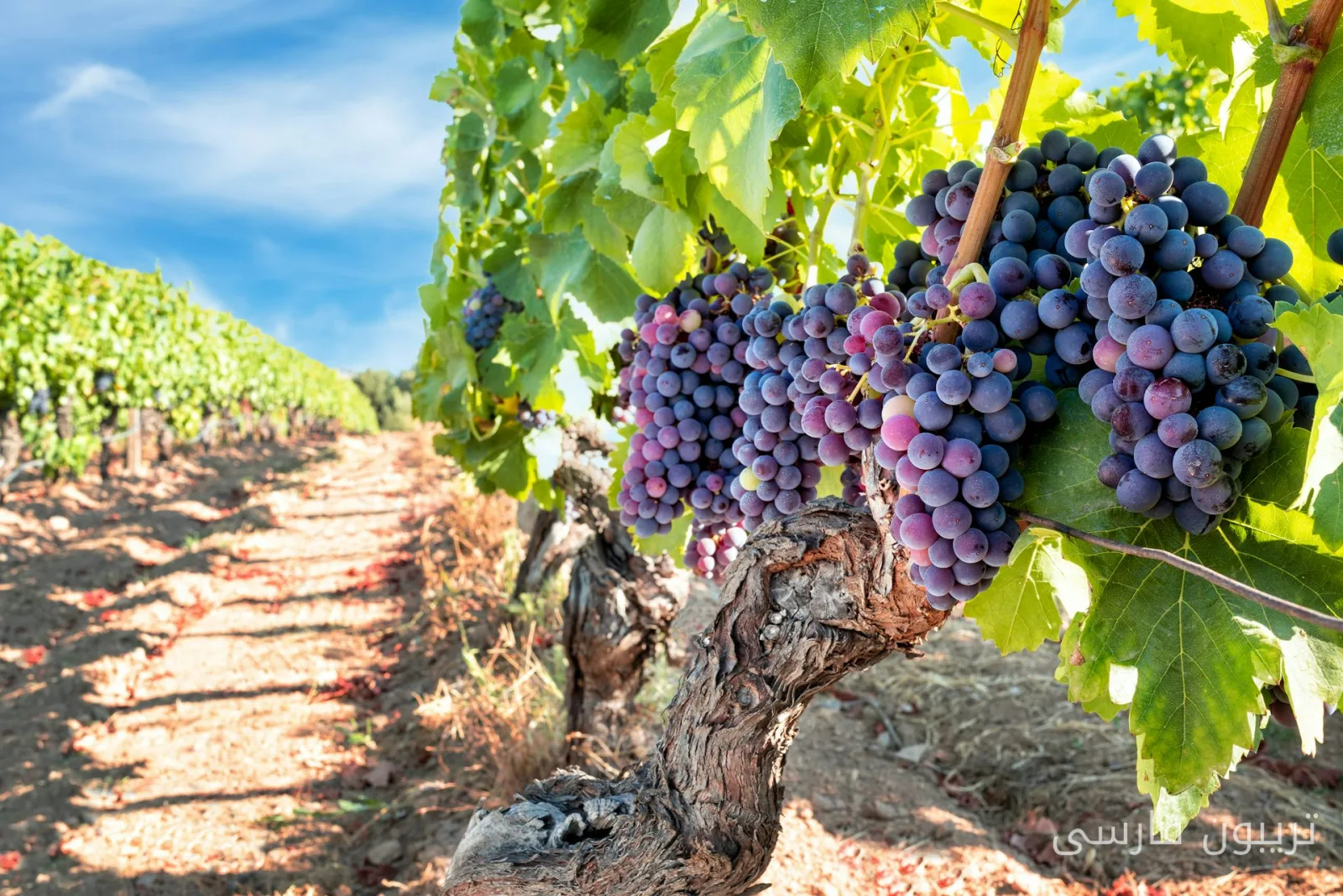
Climate change is increasingly impacting the wine industry in Australia and other parts of the world. This summer, Europe has faced unprecedented heat and severe wildfires that have heavily damaged wine-producing regions, especially in France. These wildfires not only destroy agricultural land but also affect the taste of the wine.
Changed Winemaking Conditions in Australia
Recent research shows that climate change caused by human activities has altered conditions in five major wine-producing regions of Australia. These regions include Barossa Valley, Hunter Valley, Margaret River, Yarra Valley, and Tamar Valley. An analysis of rainfall and temperature data since 1940 indicates that these areas are now warmer and drier than ever, particularly during the peak grape-growing season.
Read more: Data Center Pollution: A Serious Threat to Public Health
Strategies for Adapting to Climate Change
Winemakers are currently adopting various methods to adapt to these changes. One of them is optimizing water use through cover cropping and testing innovative irrigation systems. Additionally, some winemakers are experimenting with new grape varieties that are better suited to high temperatures. For example, in the Biobío Valley in Chile, grape varieties such as Semillon and Tempranillo are thriving better than traditional varieties like Pinot Noir and Riesling due to the heat.
Furthermore, relocating vineyards to other areas has also been proposed as an adaptation strategy. Research indicates that no point in Western Australia can replicate the climatic conditions of the former Margaret River. This suggests that climate change could lead to the emergence of new wine-producing regions.
Ultimately, to preserve existing wine regions and produce high-quality wine, it is essential to reduce greenhouse gas emissions. Moreover, winemakers must carefully consider factors such as El Niño and climatic variations that can impact weather conditions.
As a result, the future of the wine industry depends on adapting to climate change and adopting appropriate strategies. These challenges and opportunities could be key determinants of wine production in the future.
Read more: The Extraordinary El Niño of Greg Stanton and Its Implications for Global Climate · Australian Youth Turn to Poetry: From Live Performances to Poetry Competitions