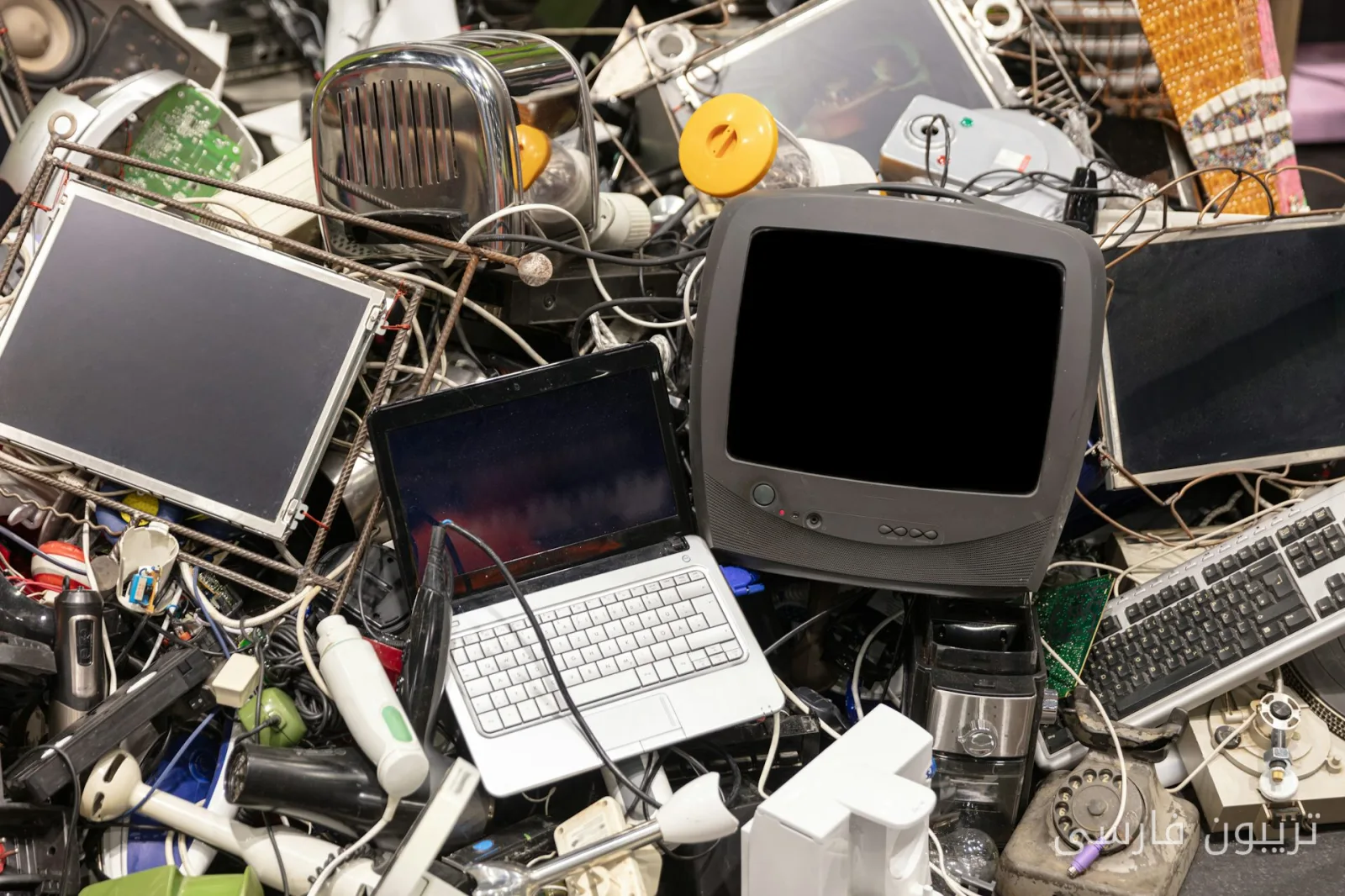
Electronic waste in Europe is recognized as a valuable source of recyclable metals, some of which are essential for meeting the needs of various industries. Of the 60 metals found in old electronic devices like phones and washing machines, only a few are recycled. This includes precious metals like gold and silver, as well as other metals like aluminum and copper. Other metals are effectively lost and are considered disposable metals.
Challenges in Metal Recycling
Extracting metals from mines requires a lot of energy and resources and is part of a complex global supply chain. By discarding metal-rich electronic devices and not recycling them, all the effort that went into extracting these metals from the earth is wasted. These metals are essential for green technologies like wind turbines and heat pumps, as well as traditional industries like automotive and aerospace. While these metals are not naturally available in Europe, they can be recycled from electronic waste.
Read more: Wildlife Manifestation: Birth of Sea Turtles and Small Orangutans
Recovery and Recycling Solutions
Research has shown that 56% of electronic waste in the European Union was not collected between 2006 and 2021. To recover metals, old devices must be transferred to appropriate facilities. Unfortunately, many of these devices end up in household trash, making it impossible to separate the metals due to mixing with other waste. Additionally, a significant amount of metals is lost during the separation and recycling processes due to inefficiencies.
The European Union can build a more secure supply chain by utilizing secondary metals from old devices and other sources. This action not only reduces dependence on foreign resources and mitigates the environmental damage caused by metal extraction but also helps create a circular economy where waste is used as a valuable input for new products. To achieve this goal, proper collection of electronic waste and the development of advanced recycling technologies are essential.
Read more: Designing Climate-Resilient Transportation Systems · Food Supply Chain Challenges: Leadership Voice from the Heart of the Market