Abdominal aortic aneurysm (AAA) is recognized as a bulge in the main artery of the body, which increases the risk of rupture as it grows over time. However, many individuals live with this condition without showing any signs, which can lead to persistent anxiety and worry.
Management and Monitoring of Abdominal Aortic Aneurysm
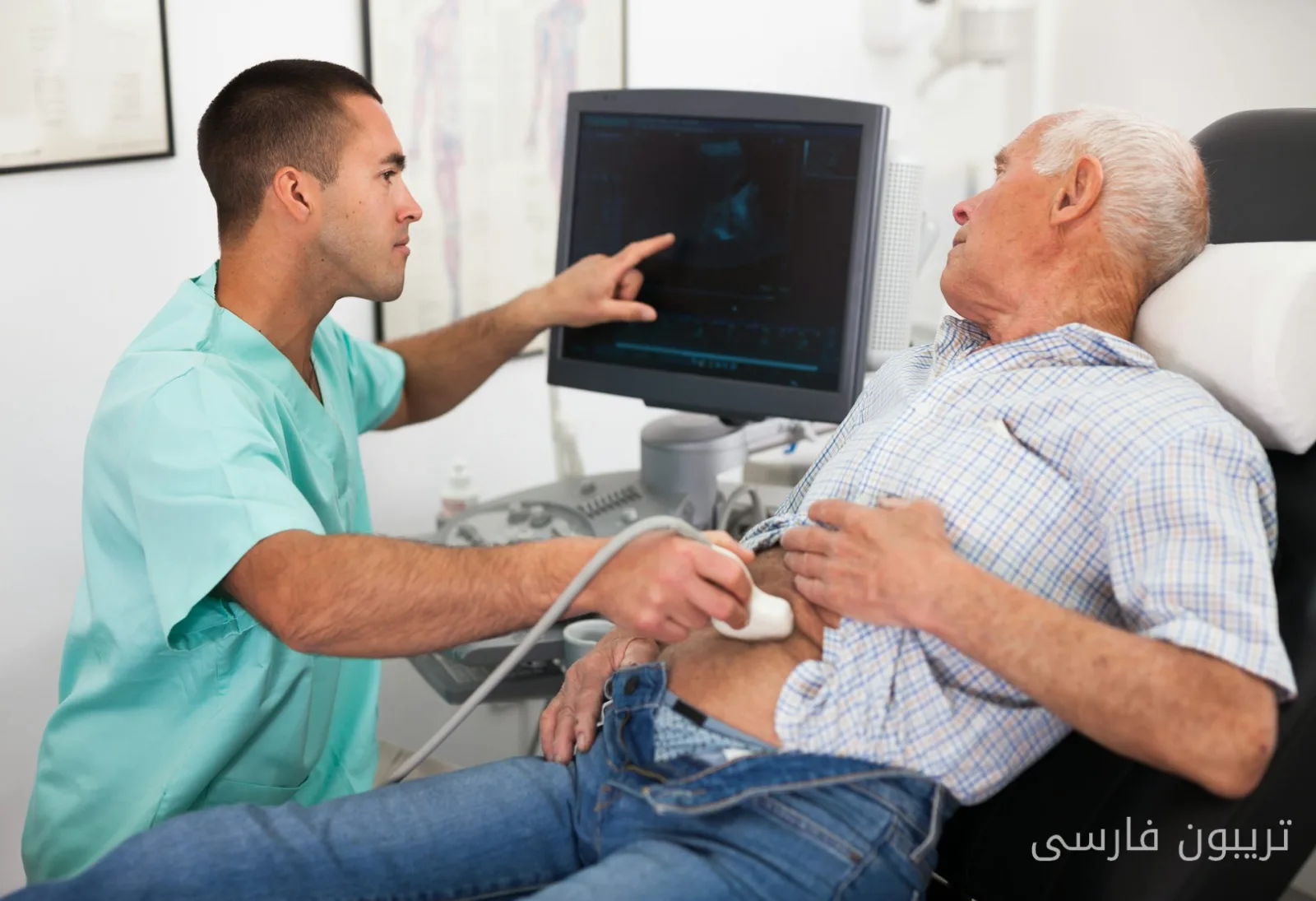
For most individuals with a small aneurysm, surgery is not a safe option. Instead, doctors use regular scans to monitor the growth of the aneurysm. This approach not only prevents unnecessary surgery but can also keep the individual in a state of uncertainty for years. Individuals at risk for this condition are typically invited for their first ultrasound scan when they turn 65. In the UK, this program is specifically designed for men.
Anxiety and Worry from the Diagnosis of Aneurysm
Research shows that the emotional effects of monitoring an aneurysm can be significantly overlooked. A study conducted on 150 patients with AAA revealed that feelings of uncertainty were common among many of these individuals. Some participants described the condition as a “ticking time bomb” and, while showing no symptoms, were constantly worried that their condition might worsen.
These concerns impacted their daily lives, with some paying close attention to their bodily sensations. They were constantly evaluating ordinary pains and looking for signs that might be dangerous. On the other hand, regular scans can provide reassurance to these individuals, but as the date of the next scan approaches, the worry resurfaces.
Many participants in this research acknowledged that the information they received did not prepare them for daily life with AAA. Explanations focused more on the size of the aneurysm and the risks or surgical thresholds, and individuals still had questions regarding daily activities and potential changes in their condition.
Ultimately, the students in this research concluded that practical improvements are necessary. At the time of diagnosis, individuals need to receive simple and clear explanations about the size of their aneurysm, the reasons for monitoring, and the signs that require immediate help. Additionally, tailored recommendations regarding physical activity and reducing cardiovascular risks should be provided.
Read more: Does sleeping professionally ruin your sleep? · Analysis of the Hand Map in the Brain After Repairing Damaged Nerves