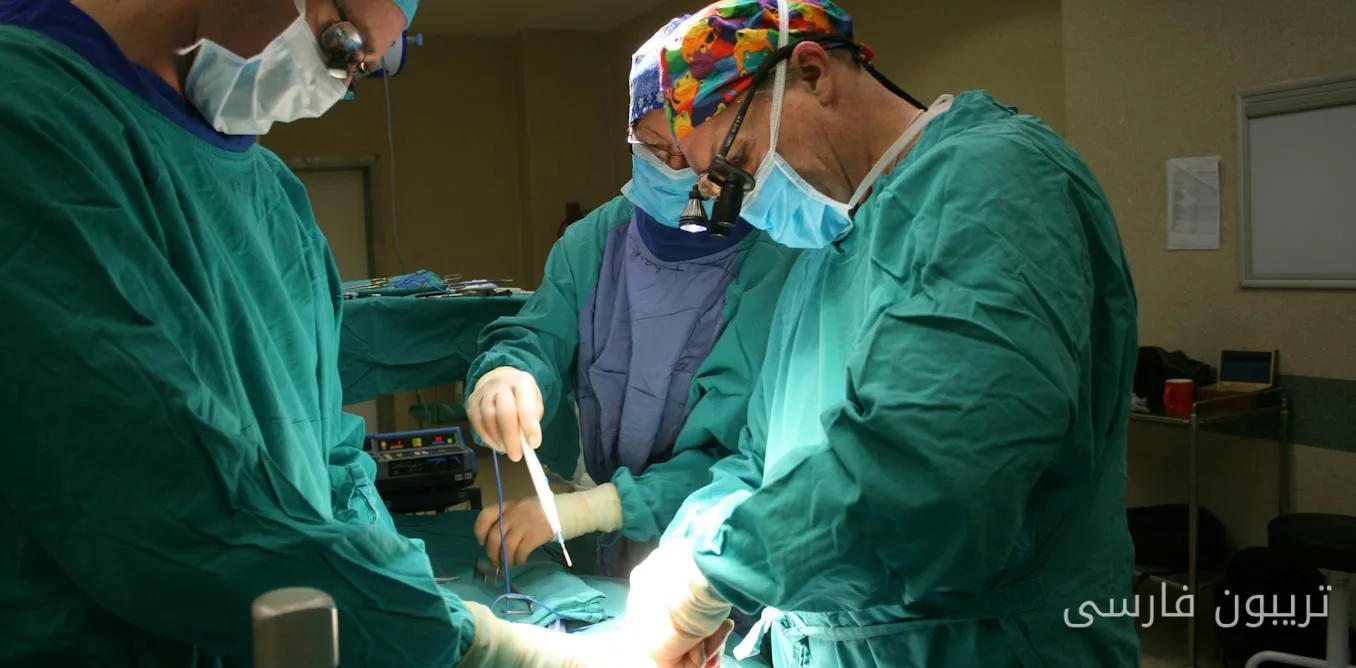
The Wits Donald Gordon Medical Centre in South Africa has recently achieved its thousandth liver transplant since the start of its program in 2004. This success reflects significant advancements in organ transplantation in the country and has important implications for patients in need of liver transplants.
History of Liver Transplantation in South Africa
South Africa has long been a leader in organ transplantation, with the first heart transplant performed in the country in the 1960s. Since then, many developments have occurred in this field. In the 1980s, a program for liver transplantation from deceased donors was initiated at the University of Cape Town, which was recognized as the main liver transplant center in the country for several decades.
Read more: Long waits for dementia diagnosis; families in shock
Innovations and Challenges in Liver Transplantation
The Wits Donald Gordon Centre began its operations in 2004 with the aim of optimizing the use of donated livers, especially under limited donor conditions. This center has been a leader in complex transplants such as split liver transplantation and living donor transplants. One of their recent innovations is the use of machine perfusion technology, which allows them to effectively store and revive donated livers for a longer period. This technology helps increase transplant success rates and reduce postoperative complications.
Currently, the Wits Donald Gordon Centre is the only center in Africa utilizing this technology, which means that about 10 to 15 percent of livers that were generally discarded are now usable. These changes not only help improve the quality of life for patients but also lead to reduced postoperative care costs.
The presence of donated livers on the transplant waiting list is one of the main challenges. With about 4,000 patients waiting for transplants in the country, pressure on the healthcare system has increased. Therefore, raising public awareness about organ donation and encouraging people to register as donors has become increasingly important.