Recent analyses indicate that there are significant differences in the type and amount of medication used between the two countries, Britain and Denmark, especially in areas related to physical and mental health. While it may be assumed that Britons are dependent on multiple medications due to their unhealthy lifestyle, the reality is more complex. This study specifically shows that in the area of medications related to chronic diseases, both countries operate at a nearly similar level, but in cases where medications are prescribed to compensate for social failures, Britain is much more inclined to prescribe drugs than Denmark.
Unequal Distribution of Medications in Different Societies
In Britain, the prescription of medications is significantly higher, especially in low-income communities. In fact, the prescription of medications directly related to pain, anxiety, and social discomfort is done at a higher rate in this country compared to Denmark. For example, last year, over 92 million antidepressants were prescribed in Britain, while Denmark has managed to reduce the use of these medications in Europe.
Read more: AI in Medicine: Savings or Risk for Patients?
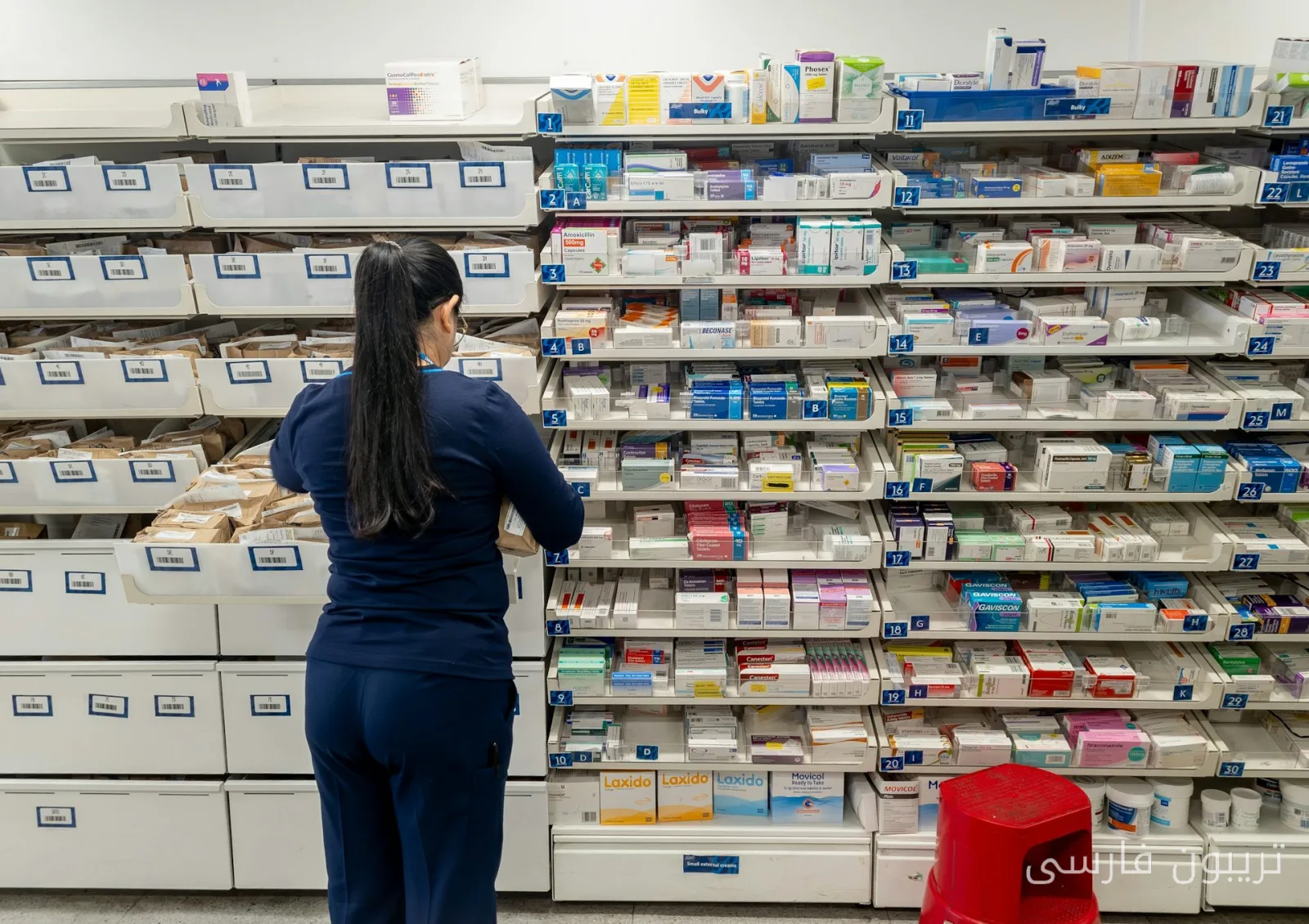
According to conducted surveys, in the year 2024-25, 1.26 billion prescriptions were issued in England, averaging 22 prescriptions per person. In contrast, this figure in Denmark is only 13 prescriptions per person. This difference relates not only to the types of medications but also to the social and economic conditions of the communities. In low-income communities in Britain, medications such as antipsychotics and pain relievers are prescribed significantly more than in wealthier areas.
The Relationship Between Mental Health and Social Structure
Social and economic disparities in Britain and Denmark profoundly impact the mental and physical health of citizens. Social inequalities in Britain have led to an increase in mental and physical illnesses in low-income communities. In fact, researchers refer to this phenomenon as "diseases of despair." This issue is linked to rising suicides and deaths due to drug and alcohol use in these communities. Meanwhile, in Denmark, despite lower consumption of psychiatric medications, there are more preventive practices and social supports that are more effective in reducing mental health issues.
The culture of medication consumption in Britain is also significantly different from that in Denmark. In Britain, medications such as painkillers are readily available, while in Denmark, the sale of these medications is severely restricted. This easy access to medications is somewhat tied to a culture of "self-care," but it should be noted that this can also have adverse effects. For example, limiting the size of paracetamol packages in Britain has contributed to a 43% reduction in overdose-related deaths.
Overall, these findings indicate that the social and economic structure of each country has profound effects on the level of drug dependency and the type of consumption. Denmark, with its focus on prevention and social support, performs better than Britain, which is more inclined to prescribe medications, in reducing mental and physical health issues.
Read more: The Link Between Stomach Infection and Colon Cancer: A Serious Warning! · Why Dating in University is Harder for Young People Than It Seems?