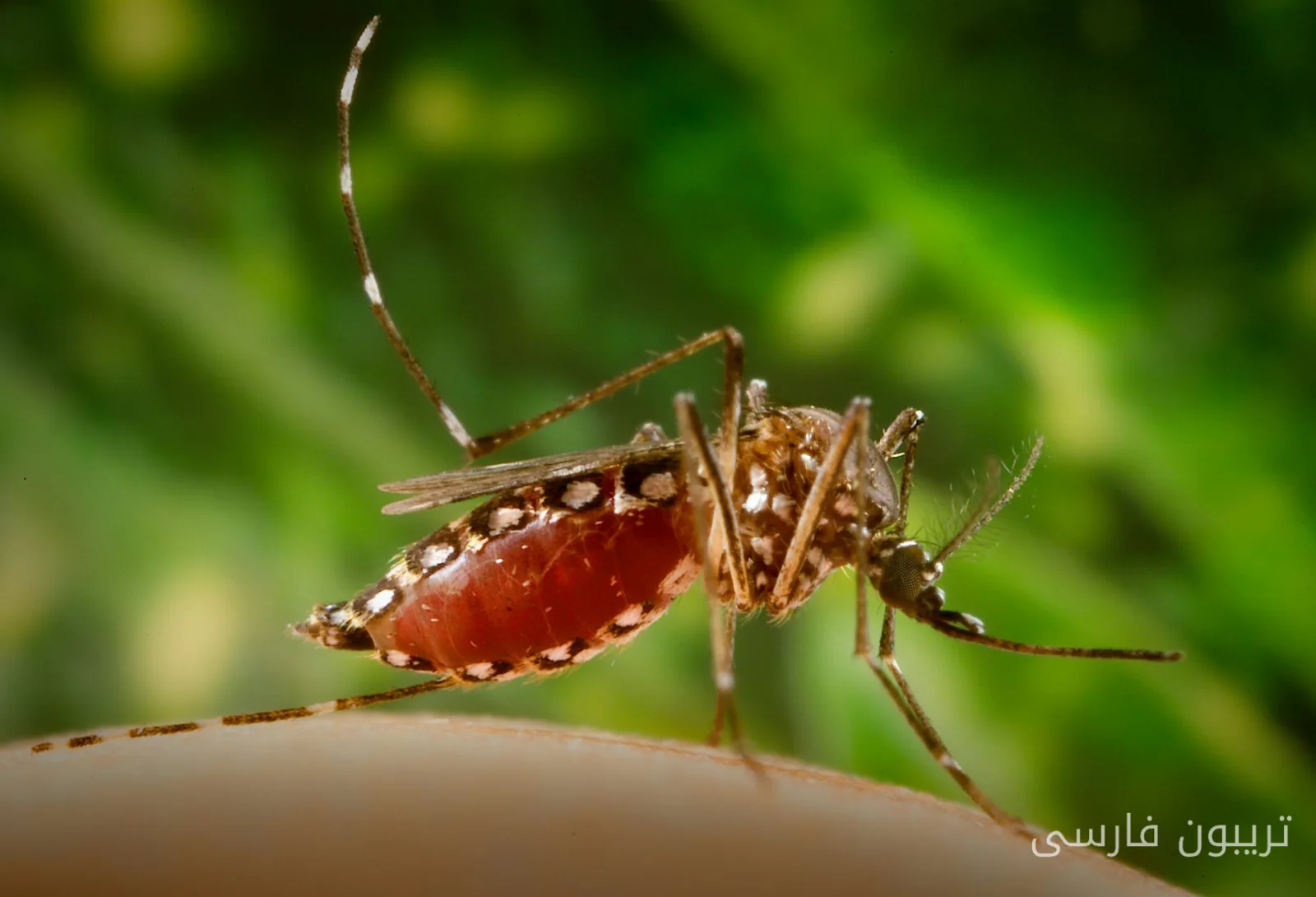
Recent reports indicate that the spread of dengue-carrying mosquitoes to new areas, particularly Florida, has become a serious concern. On September 8, 2026, the death of an elderly woman in Florida was reported as the first death attributed to dengue in the state. The family of this woman claims that local doctors have linked her death to dengue, although the Florida Department of Health has not yet confirmed this.
Increase in Cases and Warnings
This death is likely part of a larger dengue outbreak in Hillsborough County, where 95 documented cases of dengue have been recorded since July 2026. In August, the Hillsborough County Health Department issued warnings about mosquito-borne diseases, indicating a local outbreak. This situation clearly shows that a disease many Americans associate with distant travel and tropical areas is increasingly spreading at home.
Read more: Birmingham's Unique Clinic; A Hope for Affected Refugees
Risks and Symptoms of Dengue
Dengue is transmitted through the bites of infected mosquitoes, particularly Aedes aegypti mosquitoes. These mosquitoes thrive in warm cities and can breed in small amounts of stagnant water. Most dengue infections are asymptomatic, with about 75% of infected individuals experiencing no symptoms. For the remaining 25%, symptoms appear between four to ten days after the bite. This disease is particularly more dangerous for certain groups such as infants, pregnant women, and adults over 65 years old.
Furthermore, although there is a dengue vaccine, it is not recommended for average American travelers, and prevention mainly relies on avoiding mosquito bites. Currently, there is no antiviral medication for treating dengue, and treatment involves supporting the body while it fights the virus.
The global spread of dengue is concerning. The World Health Organization reported over 14 million cases in 2024, representing a 2600% increase since the year 2000. Various factors such as climate change and rapid urban growth have contributed to this spread.
Read more: Mental Health Crisis in Children: From Self-Harm to Nutritional Disorders · Does Professional Sleeping Ruin Your Sleep?