Excess iron in the body can lead to serious health complications. Gradual accumulation of iron in organs such as the liver, heart, and pancreas can lead to severe damage such as liver cirrhosis and type 2 diabetes. In this regard, studies indicate that dietary modifications may help control the amount of iron absorbed by the body.
Dietary Effects on Iron Absorption
Recent research on 40 sources, including 38 scientific articles and two gray literature sources, shows that diet can act as a supplement to medical treatment in reducing excess iron absorption. This issue is divided into two types of excess iron: hereditary excess iron, known as "primary," and excess iron resulting from disease or treatment, referred to as "secondary."
Read more: New research clarifies the relationship between aging and memory impairment
Hereditary hemochromatosis is the most common type of hereditary excess iron that causes excessive iron absorption from food. Standard treatment includes regular phlebotomy. In contrast, iron overload related to blood transfusions occurs after receiving donated blood, and its treatment usually involves iron chelator medications.
The Role of Tea and Coffee in Reducing Iron Absorption
Tea and coffee, due to their polyphenol content, can reduce the absorption of non-heme iron (not related to meat). In a small study, black tea was shown to reduce iron absorption, and individuals who consumed tea with each meal had about one-third less cumulative iron than those who drank water. However, the results of this study were not statistically significant.
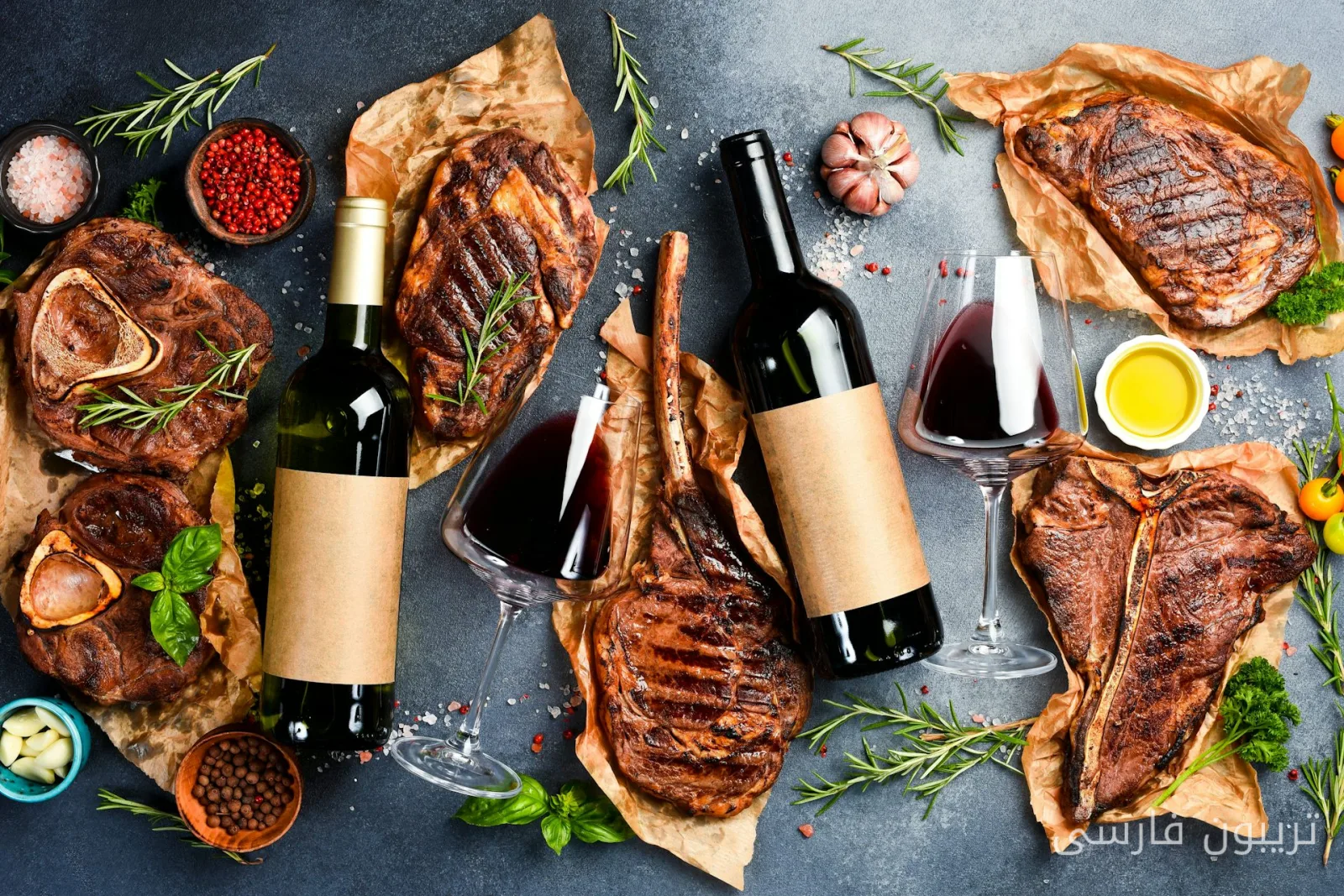
Coffee has also been recognized as a factor in reducing iron absorption. However, the evidence regarding tea is stronger than that for coffee. Heme iron, found in meat and fish, is easily absorbed, and individuals with hereditary hemochromatosis are generally advised to limit their intake of red meat, especially iron-rich organ meats like liver.
Additionally, individuals with excess iron should avoid iron supplements and iron-containing vitamins unless prescribed by their doctor. Medical guidelines in the UK recommend that individuals with hemochromatosis avoid iron-fortified breakfast cereals.
Vitamin C also increases non-heme iron absorption, so individuals with hereditary hemochromatosis typically avoid taking vitamin C supplements, although they can consume fruits and vegetables containing this vitamin.
Alcohol also raises specific concerns, as both can damage the liver. In one study, 61% of individuals consuming at least 60 grams of pure alcohol per day developed severe and permanent liver damage.
Ultimately, there is no evidence for a specific diet for excess iron. Research shows that dietary changes can be effective in reducing iron absorption, but it cannot be reliably stated that these changes significantly reduce the need for treatment.
Read more: Are health tests sufficient? A look at disease prevention · UK health services broke records during the hot summer