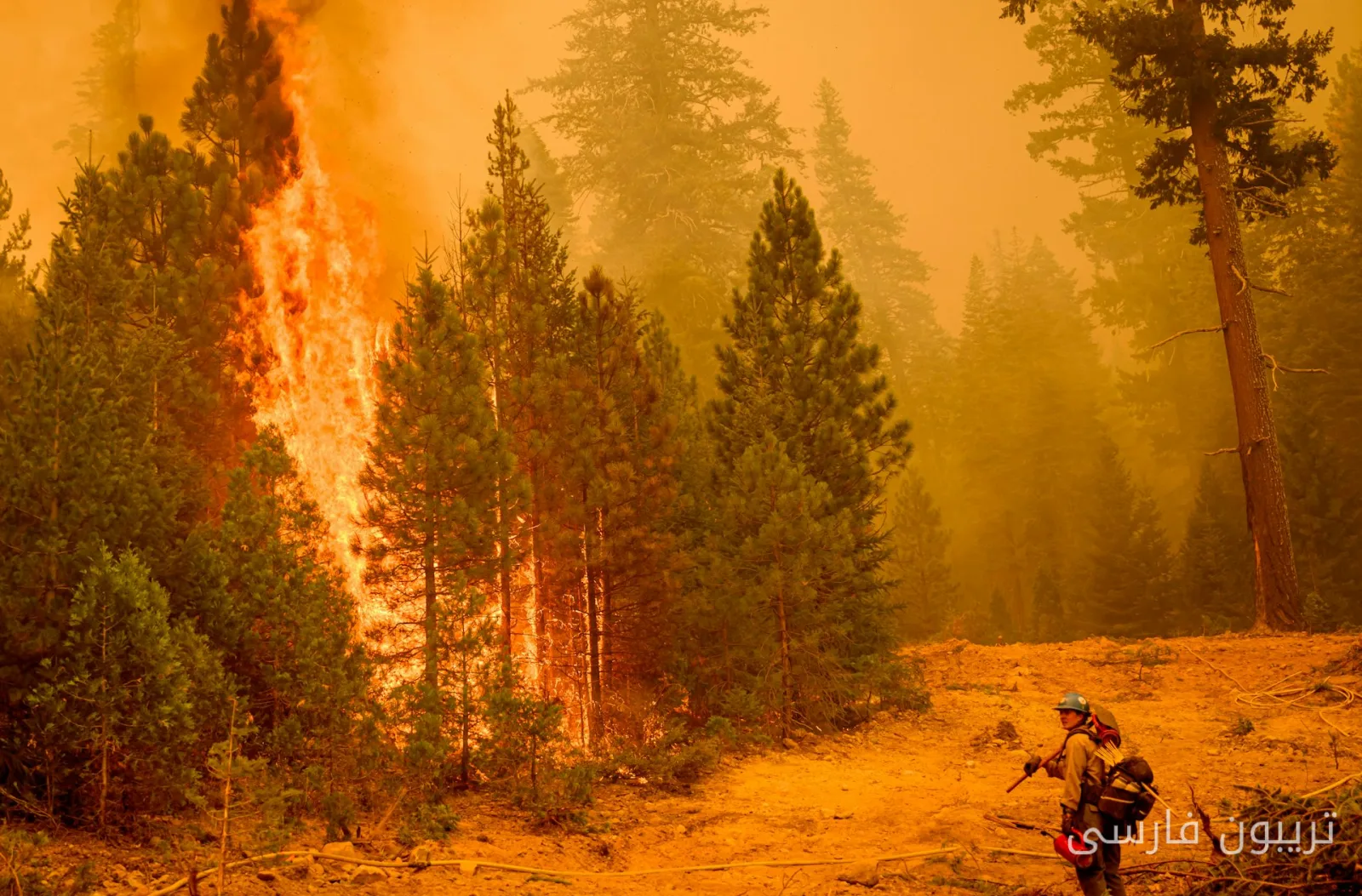
The challenges related to wildfires have significantly increased in recent years. Due to climate change and the expansion of dry areas, wildfires have become one of the major environmental crises. In this context, three main camps are seeking to dominate the strategies to address this crisis: ecological, economic, and social camps. Each of these camps has its own views on how to manage and prevent wildfires, resulting in discord and inefficiency in the existing system.
Competition Among Camps and Existing Challenges
The ecological camp believes that to combat wildfires, special attention must be paid to the protection of ecosystems and the restoration of habitats. They argue that preserving biodiversity and reducing human activities can help prevent the occurrence of wildfires. On the other hand, the economic camp seeks solutions with lower costs and higher efficiency. They emphasize that the use of modern technologies and reducing management costs should be prioritized.
Read more: Amazing Facts About Climate Change: Facts and Evidence That Cannot Be Ignored
The social camp also emphasizes the importance of educating and raising community awareness about how to deal with wildfires. They believe that securing local communities and enhancing public awareness can significantly help reduce the damage caused by wildfires. However, among these three camps, there is no effective coordination, leading to inefficiency in responding to crises.
Consequences of Coordination Failure in Strategies
This lack of coordination among the camps increases the risks associated with wildfires. In fact, existing systems for managing wildfires cannot respond quickly and accurately to critical conditions. As a result, economic and environmental damages significantly increase. For example, in recent years, extensive wildfires have occurred in various parts of the world, indicating the inefficiency of crisis management systems.
Moreover, the lack of agreement among the camps can also affect political decision-making. In these circumstances, policymakers may struggle to achieve a comprehensive and effective strategy for combating wildfires. This issue can lead to public distrust in governmental and managerial institutions.
Ultimately, to address these challenges, there is a need for an integrated and convergent approach. Efforts to create collaboration among the three existing camps can lead to reduced risks and improved wildfire management strategies. Only then can we hope for a more sustainable and safer future.
Read more: Why Should We Be Concerned About Bluebirds? · Crisis Warning System in Nepal Faces Border Challenges