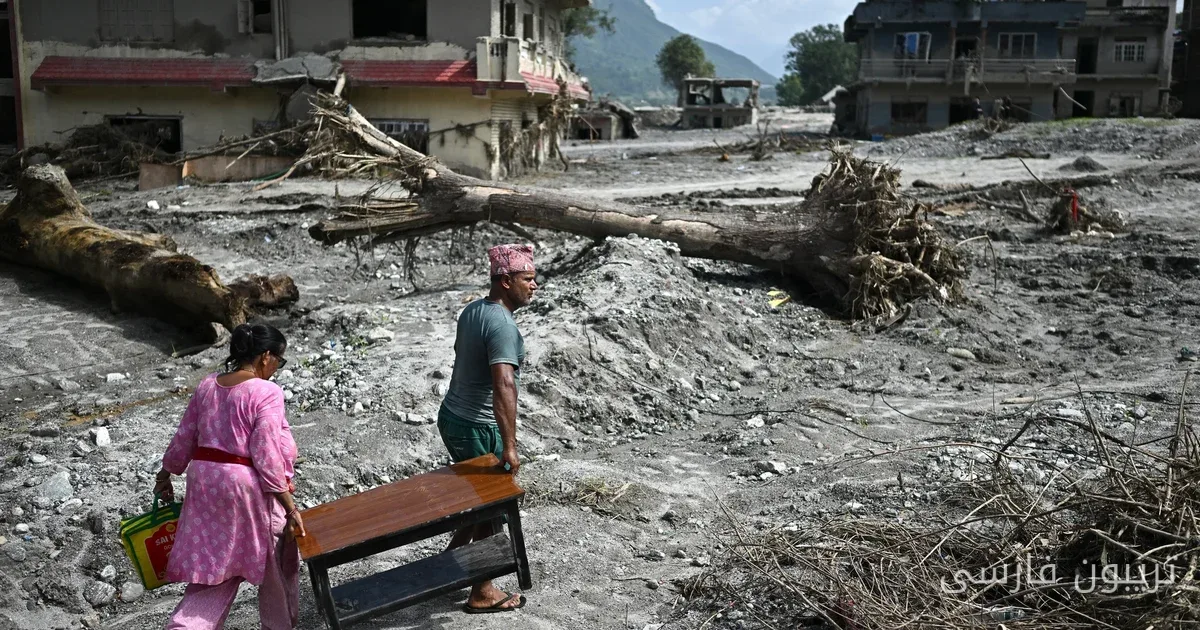
Nepal has recently witnessed a natural disaster that occurred swiftly and suddenly. This incident not only endangered lives but also revealed serious weaknesses in the country's crisis warning systems. As Nepal, located in the Himalayan region, is prone to various natural disasters, this crisis is seen as a wake-up call for the need for reforms in crisis management and warning systems.
Border Challenges in Warning Systems
Crisis warning systems are typically designed to operate within national borders. However, natural disasters such as earthquakes, floods, or storms may disregard borders and quickly spread to neighboring areas. In such situations, warning and crisis response systems cannot operate effectively, and this was clearly evident in the recent incident in Nepal. The lack of coordination among various agencies in neighboring countries and the absence of an integrated warning system resulted in many residents of Nepal being unaware of the imminent danger.
Read more: Reading Death; A Serious Threat to Our Democracy
Consequences of Lack of Coordination and the Need for Reforms
The consequences of this disaster clearly demonstrate that Nepal and its neighboring countries must act swiftly to improve warning systems and crisis management. The absence of a unified and global system for warning residents in border areas can have irreparable consequences. Additionally, this incident clearly highlights the necessity for international cooperation in crisis management. Neighboring countries must be able to effectively and timely share information regarding weather conditions and natural hazards to protect human lives.
Overall, recent events in Nepal serve as a serious reminder of the existing weaknesses in global warning and crisis management systems. This issue requires a comprehensive approach and international cooperation to improve the current situation and enhance preparedness for natural disasters. Given that climate change and natural disasters are increasingly on the rise, the need for reform and improvement of warning and crisis response systems is more critical than ever.
Read more: Trump's Fear of Elections: What Does the $5000 Promise Mean? · India and Australia Cooperation: Unique Opportunities in the World of Artificial Intelligence