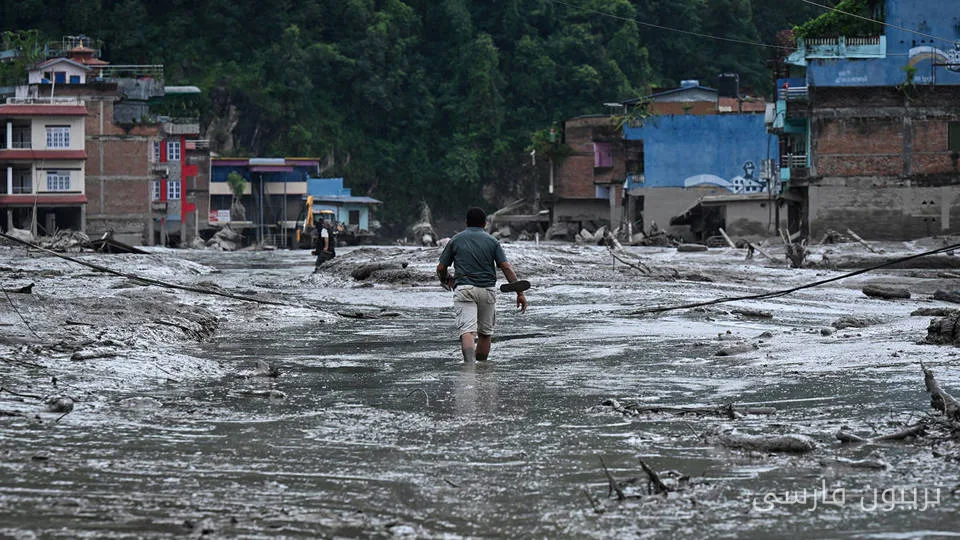
The recent devastating floods in Nepal, which claimed the lives of over 1,300 people, clearly demonstrate how reckless development can put vulnerable communities at risk. Nepali officials quickly identified climate change as the main cause of this disaster, but this reason alone cannot explain why such a large number of people and critical infrastructure were endangered.
Flaws in Risk Management and Infrastructure
The damage caused by floods in Nepal is the result of a combination of poor risk management and misguided decisions regarding infrastructure development. While infrastructure projects like hydropower dams and roads provided benefits for businesses and certain individuals, the consequences fell on households and workers who faced the loss of their assets.
Read more: Trump Administration Seeks to Undermine Endangered Species Act
The Melanji flood in 2021 and the damage it caused served as a wake-up call indicating the necessity for better assessment of climate risks. Despite warnings, development decisions were made in a way that ignored the risks associated with unstable weather.
The Need for Reevaluation of Climate Policies
Nepal must reconsider not only its construction practices but also how it manages projects and infrastructure. Relocating vulnerable communities to safer areas and conducting more thorough assessments of climate risks are among the actions that should be prioritized. For example, Nepal's solar energy potential could far exceed the hydropower capacities currently affected by climate change.
At the same time, Nepal's request for $20 million from the Fund for Recovery and Loss Damage (FRLD) poses a real test for this fund in addressing damages caused by climate change. Although this fund has promised around $822 million, it seems that this amount is by no means sufficient.
If the FRLD fund is unable to quickly finance damages caused by climate disasters, developing countries like Nepal will be forced to borrow to cover losses, trapping them in a cycle of climate debt. Therefore, without stricter regulations on urban planning and immediate financing, Nepal and other vulnerable countries will continuously face challenges arising from climate change.
Read more: Australia Must Adhere to Its Climate Commitments · Is Your City Prepared for Climate Disasters?