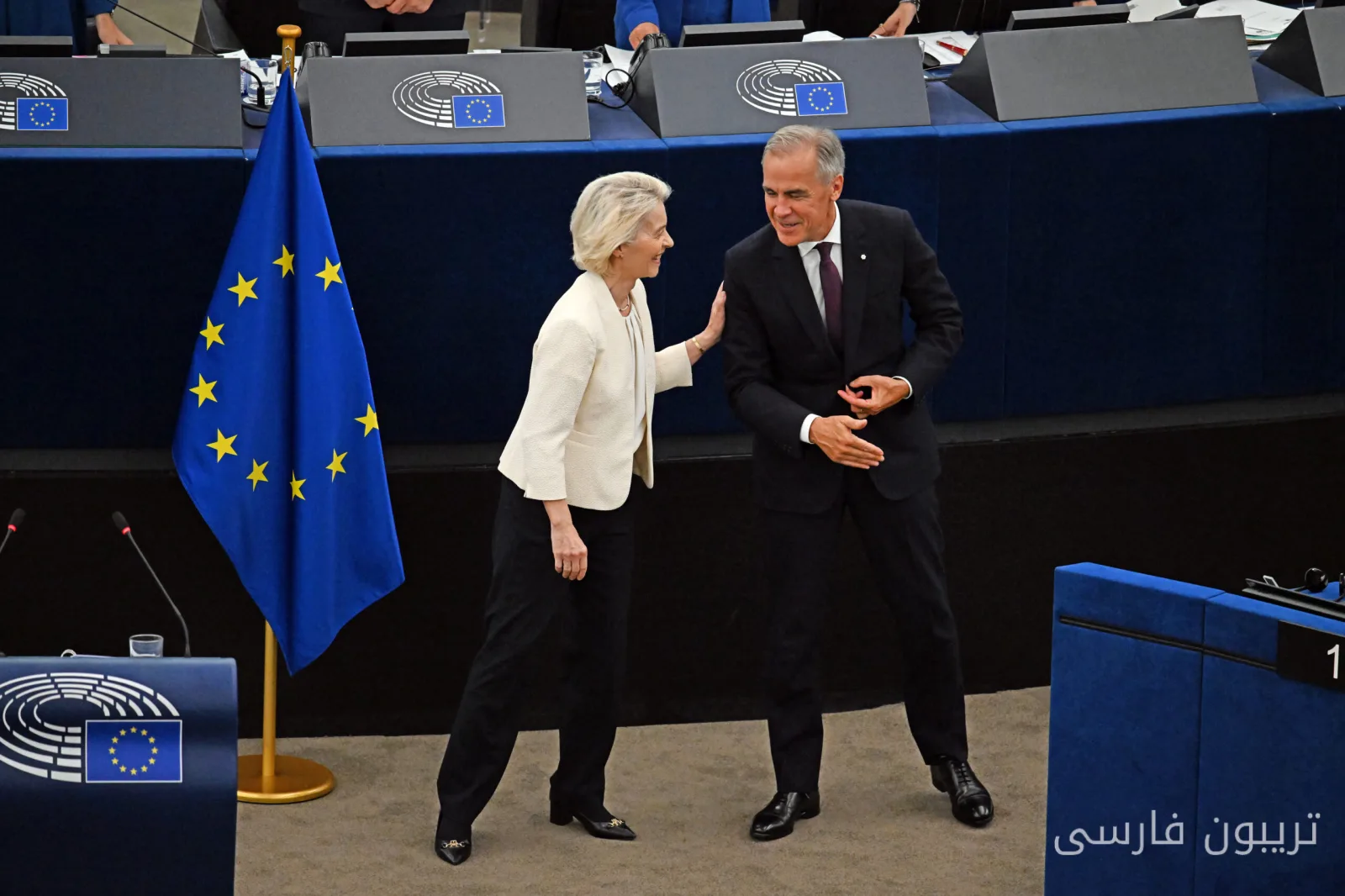
Ursula von der Leyen, President of the European Commission, during her speech about the state of the European Union in Strasbourg, France, proposed Canada's associate membership in this union to Canadian Prime Minister Mark Carney. These remarks were made as relations between the European Union and Canada are expanding, particularly through the Comprehensive Economic and Trade Agreement (CETA).
Prospects for Closer Relations
In her speech, von der Leyen stated that "we have a shared ocean, a set of values, and a common view of the world," emphasizing the need to build a shared future. However, this proposal is particularly significant as it specifically addresses issues such as smart manufacturing, technological cooperation, and economic security. At the same time, the concept of "associate membership" does not exist in European Union treaties, which raises ambiguities.
Read more: Analysis of the Necessity and Consequences of Safety Drills in American Schools
Challenges Ahead
On one hand, the question arises as to what impact this type of membership will have on Canada's representation in the European Union. Will Canada gain voting rights in Brussels? Will this country be fully bound by the economic and trade laws of the European Union? Given past experiences, such as the UK after Brexit, many countries are concerned that instead of real benefits, they may face "imposed regulations."
On the other hand, this proposal reflects the geopolitical changes resulting from the disengagement and disruption of the Trump administration in global policies. Canada, currently in a trade war with the United States, could reduce existing pressures by expanding its relations with the European Union and seek diversification in its trade policies. This would not only benefit Canada but also the European Union, which is looking to strengthen ties with non-European countries.
Ultimately, while this proposal is a strategic step towards strengthening relations between Canada and the European Union, it faces many challenges. Closer relations with the European Union could distance Canada from heavy dependence on the United States, but this will be a path filled with ambiguities and unanswered questions.
Read more: Analysis of the Linguistic Roots of Humanity Centered on Fire and Storytelling · Volodymyr Zelensky in Canada: A Golden Opportunity for Both Countries