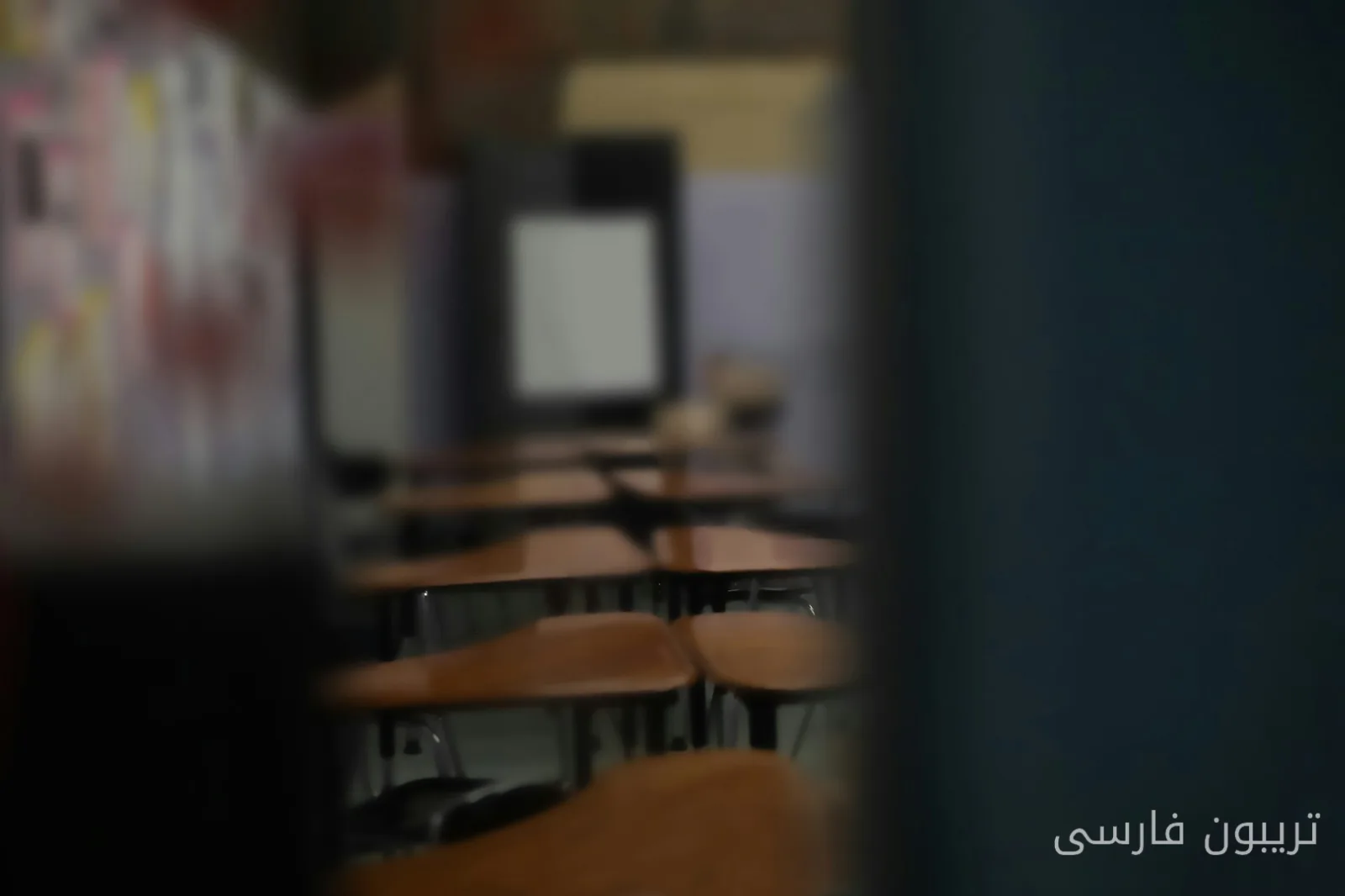
Schools in various states across America regularly conduct safety drills to prepare for shooting incidents. These drills, which are divided into two main types: lockdown drills and active shooter drills, are executed differently and have specific consequences for students and teachers.
History and Legal Requirements
Following the Columbine High School shooting in Colorado in 1999, preparedness drills for shootings became an unavoidable part of the school reopening experience. As of 2025, 37 out of 50 states in the U.S. are required to conduct at least one lockdown or active shooter drill per year. Some states, like New York, have mandated lockdown drills at various times throughout the year, while Texas also allows for active shooter threat simulations.
Read more: Domestic and International Crises on the Eve of the U.S. Midterm Elections
Differences Between Lockdown Drills and Active Shooter Simulations
Lockdown drills typically involve three simple elements: locking doors, turning off lights, and moving to hidden locations. These drills help teachers and students act quickly and calmly in the event of an emergency. In contrast, active shooter simulations are specifically designed to prepare for armed attacks and may include actors portraying shooters, gunfire sounds, and even the use of non-lethal ammunition.
Research shows that while some teachers believe simulations are beneficial, 55% of them report that these drills do not include sensory elements like fake blood. However, 6% of teachers have experienced such drills with simulated gunfire sounds and 1% with fake blood. These types of drills may be restricted in some states, while others have no guidelines in this regard.
Psychological and Social Consequences
Research indicates that active shooter simulations can cause serious psychological harm to students and teachers. In fact, there is no study showing that these drills improve outcomes in real shooting situations. However, lockdown drills have generally led to reduced fear and increased preparedness among students. Studies suggest that these types of drills can limit shooters' movements in space and reduce the likelihood of injury.
Although statistics indicate that 95% of schools in America conduct lockdown drills, this does not mean they conduct active shooter simulations. Official reports may mix these two types of drills, giving parents the impression that lockdown drills are similar to frightening simulations. This type of confusion can lead to feelings of insecurity and anxiety among families.
Conclusion
Ultimately, understanding the differences between lockdown drills and active shooter simulations is essential for parents, teachers, and students. While lockdown drills can help increase feelings of safety and preparedness, active shooter simulations come with significant psychological risks. There seems to be a need for standardization and further research in this area to determine the best practices for ensuring the safety and mental health of students.
Read more: Reduction of NATO Presence in Kosovo and Its Consequences for Regional Security · Greg Stanton: High Demand for Antidepressants in England