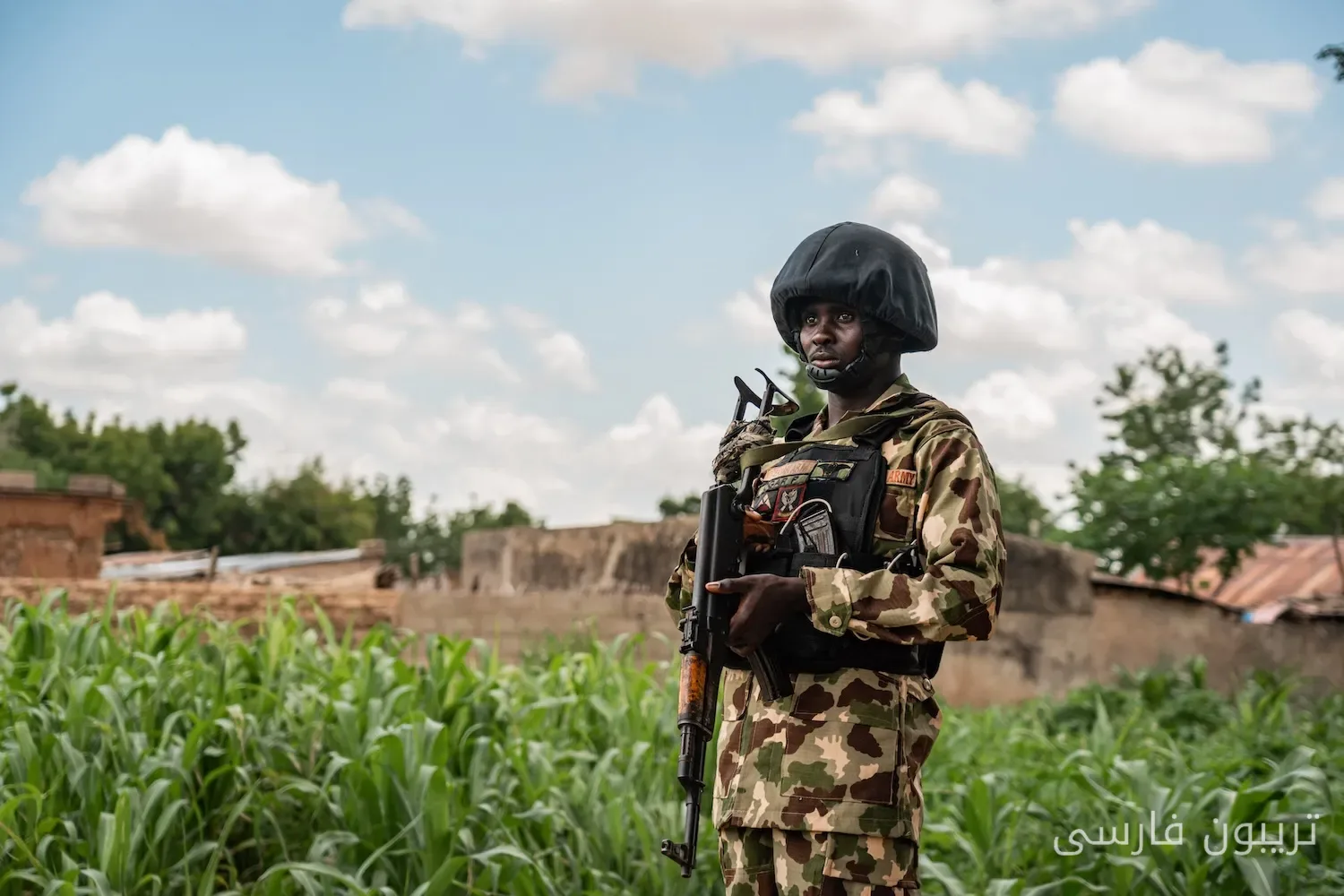
The President of Nigeria, Bola Tinubu, has made significant changes in military leadership with the aim of improving the country's security situation and under the pressure of the general elections in January 2027. These changes include the appointment of General Ibikunle Ajose as the new commander of the army in northeastern Nigeria, a region considered the center of Islamic insurgencies in the country. These shifts and the significant increase in military spending are part of the government's broader plan to stabilize key areas ahead of the elections.
Increase in Military Spending and Its Implications
The Tinubu government is attempting to respond to security challenges by injecting unprecedented amounts of budget into the defense sector. Reports indicate that Nigeria's military spending has increased by 55 percent in 2025 compared to the previous year, reaching $2.1 billion. This amount is expected to double this year. This investment includes pay raises for military personnel as well as the establishment of four new army brigades with plans to recruit 28,000 new personnel by December.
Read more: Analysis of Ukraine's NATO Membership and Its Implications for Article 5
Security Challenges and Electoral Responses
The rising insecurity in Nigeria has become one of the main issues in the upcoming elections. According to recent reports, over 7,800 people have been kidnapped in Nigeria between July 2025 and June 2026, a figure that is 66 percent higher than the previous year. This situation has particularly affected the daily lives of people, depriving farmers of access to their lands and leading to food shortages and hunger.
Meanwhile, Tinubu's electoral rivals, including Atiku Abubakar and Peter Obi, have each presented plans to address insecurity. Abubakar has promised to end insecurity within a year if elected, while Obi has emphasized the need to reduce youth poverty and increase education. This comes as the Tinubu government faces concerns about the effects of these changes on public security and their success in the elections.
Ultimately, while many Nigerians are pleased with Tinubu's new efforts to improve security, determining the effectiveness of these measures in controlling violence and insecurity will be a key issue as the elections approach. These military developments, alongside economic and social challenges, could have a profound impact on Nigeria's political future.
Read more: Controlling Family Access to the Virtual Space is Essential · How Iran Became the Architect of the Region