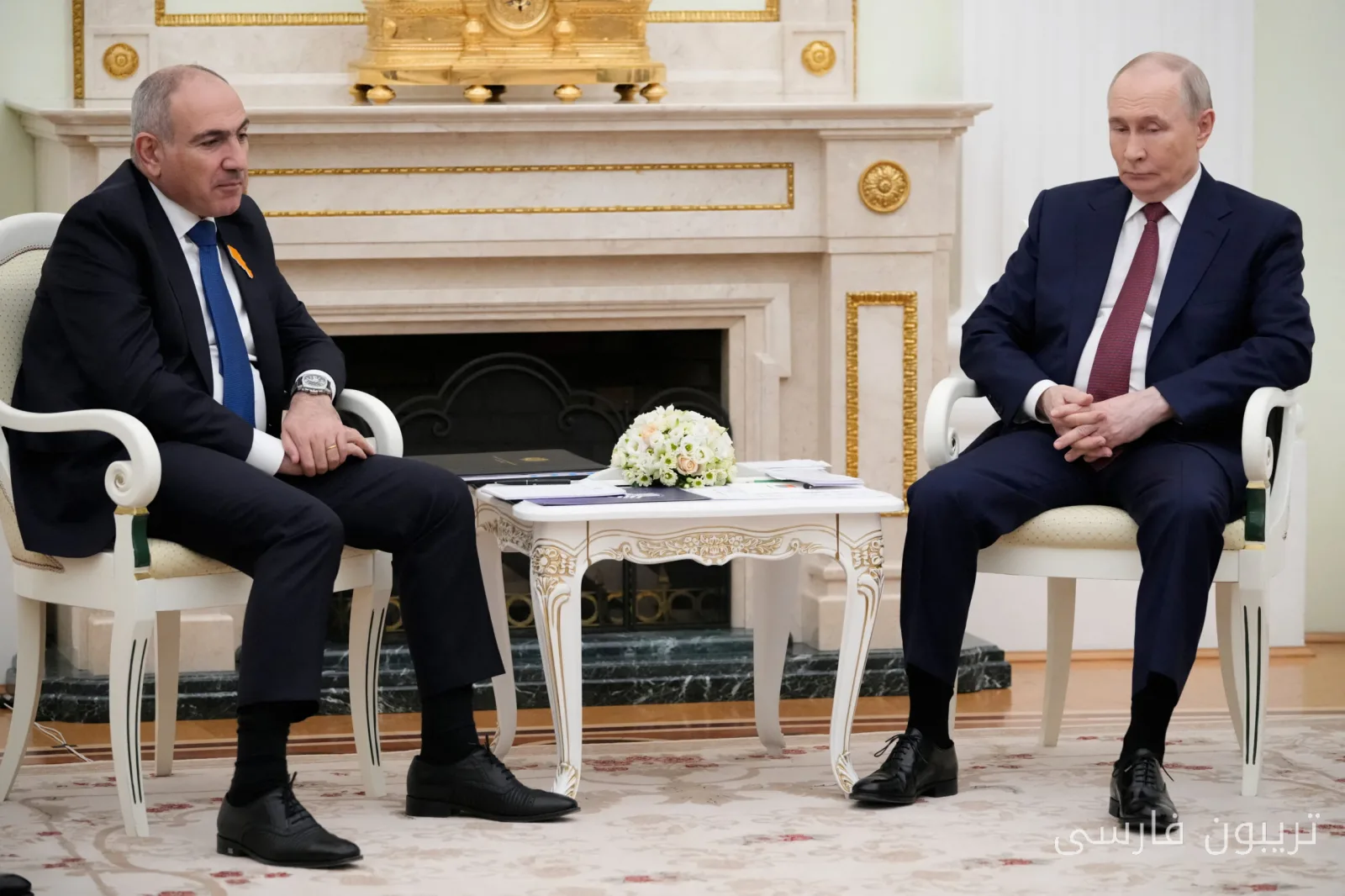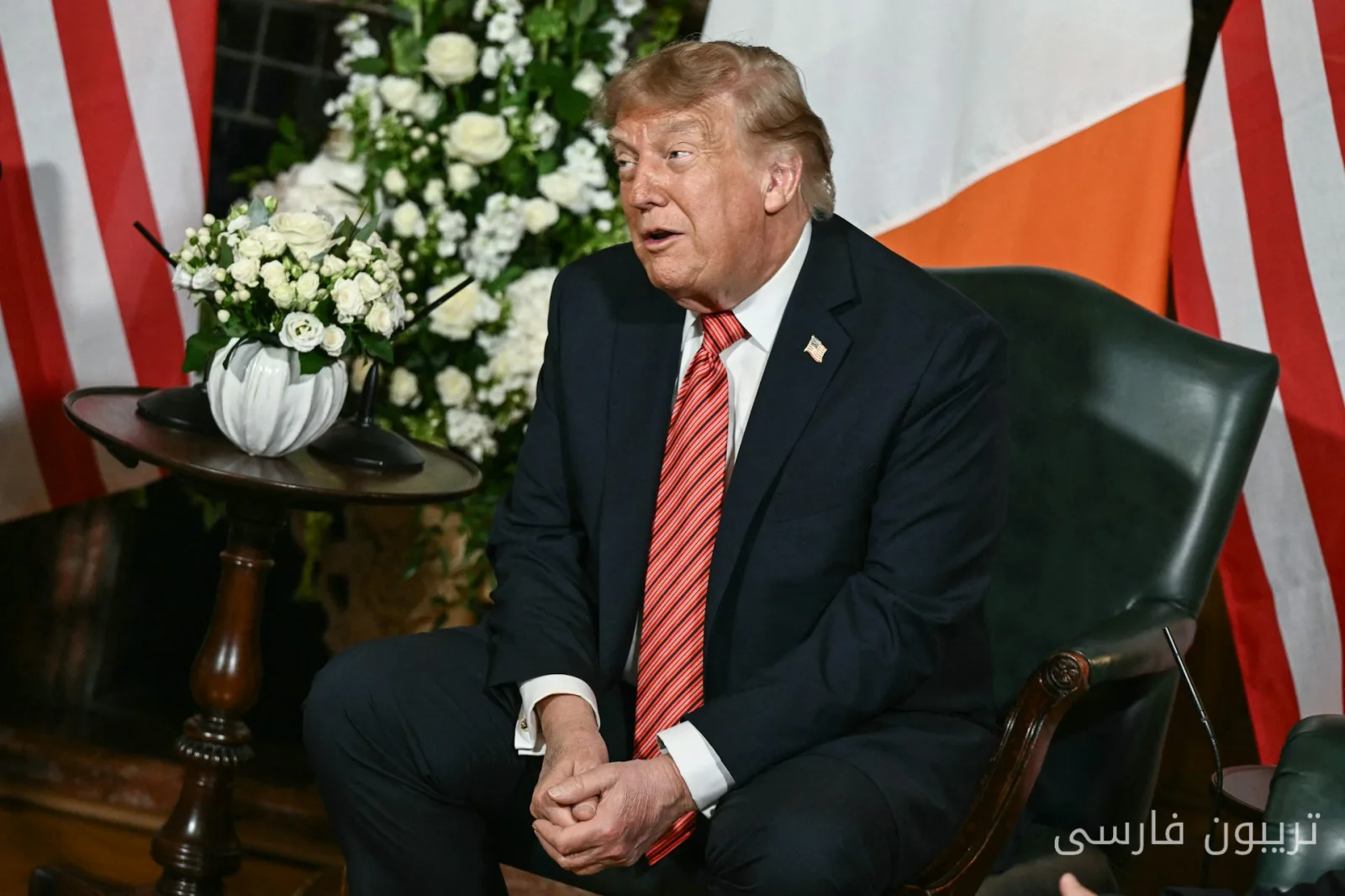
Donald Trump, the President of the United States, on September 12, 2026, alongside Micheál Martin, the Prime Minister of Ireland, expressed his desire to see Irish unity, stating that this event "will ultimately happen" and "it is better if it happens now." These statements, which unusually referenced a sensitive topic like Irish unity, sparked mixed reactions.
Political Reactions to Trump's Statements
While some supporters of unity in the Republic of Ireland and Northern Ireland welcomed Trump's remarks, these comments were strongly criticized by all political parties, including the Prime Minister of Ireland and also the unionists in Northern Ireland who wish to keep the region in Britain. Trump's statements not only heightened political tensions in Northern Ireland but also elicited reactions from British conservatives and Trump supporters, including Nigel Farage.
Read more: Greg Stanton: America is in a good position in the Red Sea crisis
A Rift in U.S. Policies and the History of Support for Ireland
Trump's statements can be seen as a step back compared to the recent policies of U.S. administrations. Since the Good Friday Agreement in 1998, which ended the civil conflict known as "The Troubles," U.S. presidents have officially adopted a policy of neutrality regarding the question of Irish unity. While Trump has clearly supported Irish unity, such statements are reminiscent of times when U.S. presidents were more actively involved in issues of Irish nationalism and the independence of this country.
The history of relations between Ireland and Britain dates back to the 12th century, and over the centuries, Ireland has faced significant discrimination. This discrimination contributed to the formation of anti-English sentiments among the Irish people and the emergence of Irish nationalism. Irish nationalism peaked as a movement for independence from Britain in the late 18th century.
While Trump may have addressed this issue based on his personal opinion, the question arises whether these statements could lead to real changes in international policies or will remain merely as a superficial statement.
Read more: Putin's Threat to the West and the Ukraine War; New Consequences for Energy · Trump's Fear of Elections: What Message Does the $5,000 Promise Hold?