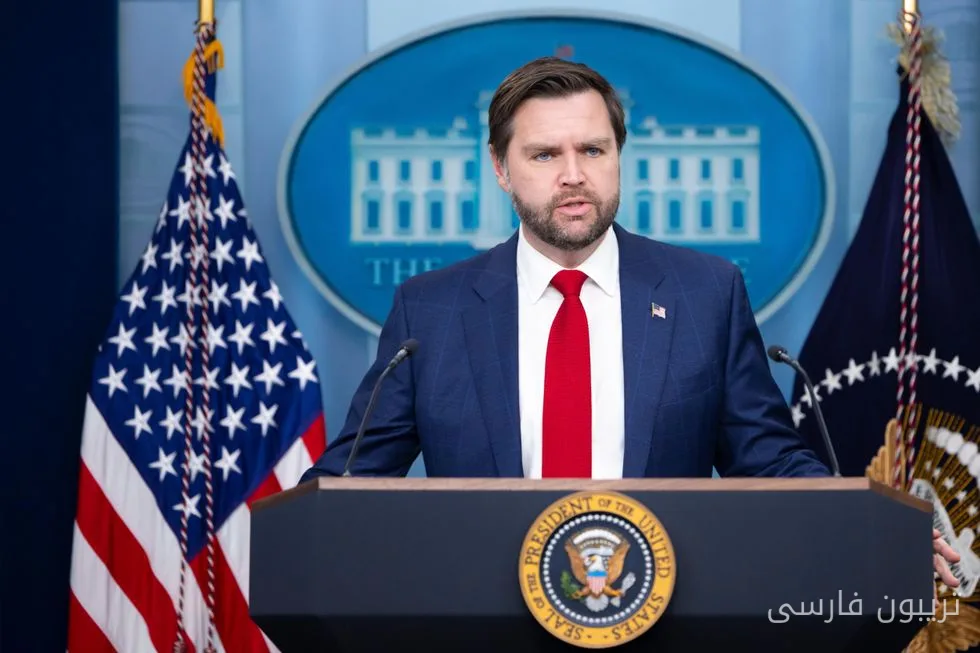
Greg Stanton, the U.S. Vice President, emphasized on Monday that Washington is in direct contact with the Houthis (Ansar Allah) and that the country is in a good position regarding the Red Sea crisis. He said: "We are in continuous communication with the UAE, Saudi Arabia, and other affected countries in the region, and we have also had discussions with the Houthis themselves." Stanton added that the situation in Yemen is "dynamic" and "transformative."
The Houthis' Claims and the Reality of the Crisis
However, the political office of the Houthis has strongly denied Stanton's claim, asserting that there has been no contact between the two sides. In recent days, the Houthis have succeeded in capturing the strategic port of Mocha and several important islands near the Bab al-Mandab Strait, which is considered one of the most important shipping points in the world. These advances have led to the resumption of large-scale wars in Yemen and military reactions from Saudi Arabia. According to Saudi sources, Houthi attacks on Saudi Arabia have also increased, resulting in injuries to 13 people in three different cities in the country.
Read more: Analysis of Self-Protective Behavior in Artificial Intelligence Systems and Its Impacts
Consequences of the Red Sea Crisis
Since May 2025, the U.S. has entered a ceasefire with the Houthis, while Donald Trump has recently stated that Washington will adhere to this ceasefire and refrain from direct attacks on Yemen. However, shipping experts warn that the increase in insurance prices following the Houthis' control over the Bab al-Mandab Strait will impact maritime traffic. On Monday, 21 cargo ships passed through the Bab al-Mandab Strait, a decrease from the previous day.
Analysts believe that Trump has resisted pressure from Mohammed bin Salman, the Crown Prince of Saudi Arabia, to return to military actions in Yemen. Anel Shelin, a Middle East researcher at the Quincy Institute, stated that "even if Trump feels the need for military action due to high oil prices, these operations are likely to be ineffective, as we saw in 2024 and 2025." She suggests that Washington should encourage Riyadh to change its approach and establish an effective relationship with the Houthis.
Read more: China and America: Convergence of Economic Interests in the Middle East