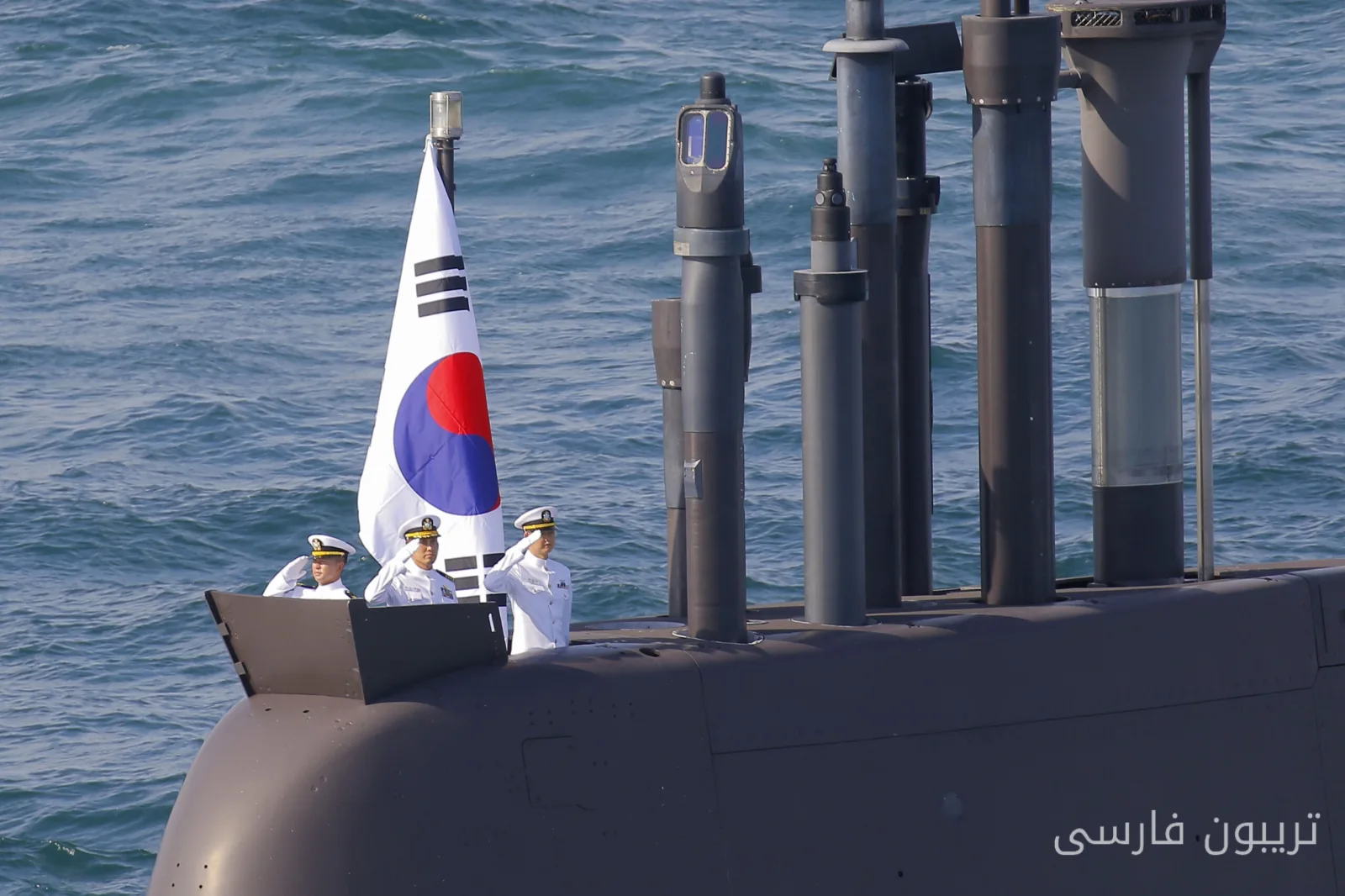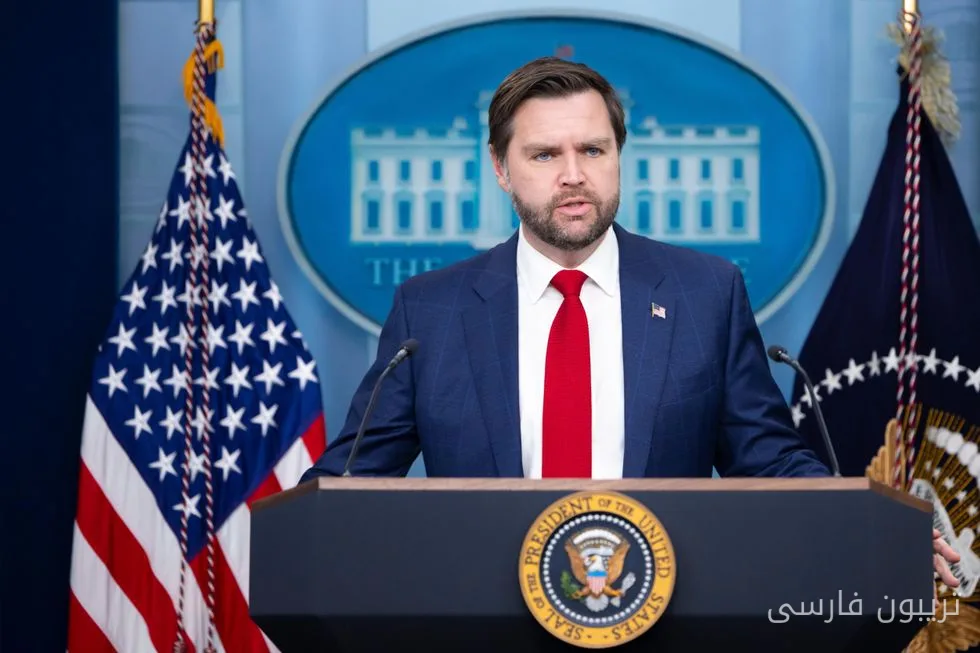
The discussion among experts on nuclear deterrence in the U.S. and Europe will examine changes in the attitudes and nuclear policies of these two regions. This conversation will feature experts from Britain, Europe, and the United States who have years of experience in military, diplomatic, and foreign policy fields. The main topic of this discussion is to explore changes in attitudes towards nuclear deterrence and its role in security policies.
New Developments in Nuclear Deterrence
Nuclear deterrence, as a key tool in the defense policies of nuclear countries, has always been at the center of attention for analysts and policymakers. Experts in this discussion will address how changes in the international security environment and the expansion of military capabilities of various countries have led to changes in nuclear deterrence approaches. In particular, recent developments in U.S.-Russia relations and the emergence of new nuclear powers have created new challenges for nuclear deterrence.
Read more: China and the U.S.: Convergence of Economic Interests in the Middle East
Implications of Changes in Deterrence Policies
Changes in attitudes towards nuclear deterrence can have far-reaching implications for global security. On one hand, other countries may move towards nuclear weapons to defend themselves against potential threats, which could lead to increased tensions and military competition. On the other hand, strengthening international cooperation in nuclear arms control and diplomacy could help reduce tensions and facilitate crisis resolution. As a result, this discussion not only analyzes various aspects of nuclear deterrence but also explores possible solutions for managing these challenges.
Read more: Legal Conflicts in Prediction and Gambling Markets: Challenges for the U.S. and Europe · Millennial Challenges: Washington's Ally and Beijing's Trading Partner