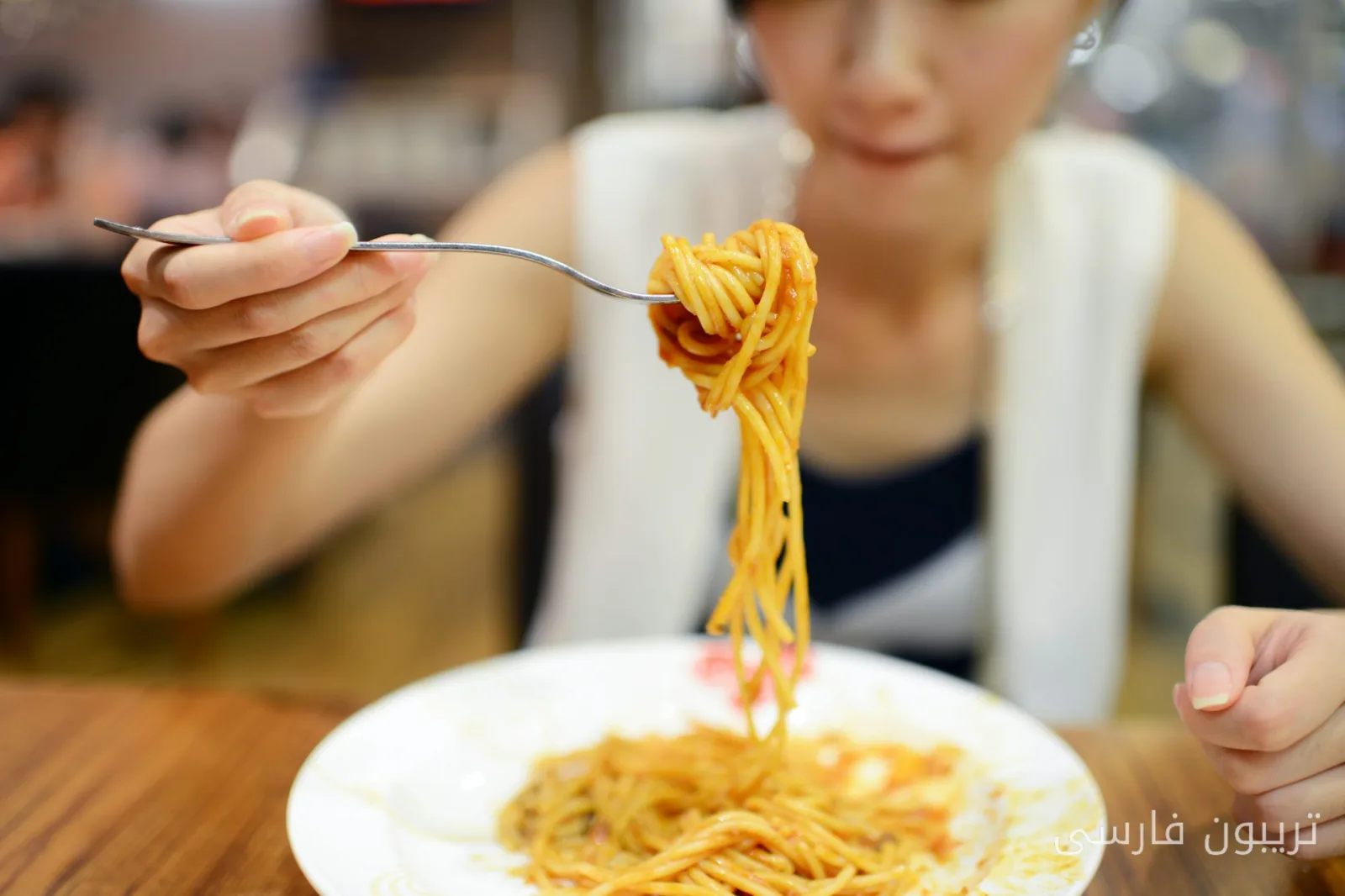
The discussion about the differences between pasta and noodles, especially with the globalization of food, has become a serious topic. This disagreement between popular Eastern and Western foods is not only related to the historical roots of these two dishes but also affects our understanding of culture and identity.
Historical and Cultural Roots
The physical evidence of noodles dates back to ancient China around 4000 years ago, while pasta is linked to legends about Marco Polo's journey to China in the 13th century. These legends were mistakenly created and are mainly due to a misinterpretation of the book "The Travels of Marco Polo." In fact, noodles existed before pasta was created in Italy.
Read more: Experts' discussion on nuclear deterrence in the US and Europe
The history of pasta is also significantly complex. In the 12th century, Mediterranean trade routes from North Africa to Italy introduced the term "itrya" as a name for the dry strips of dough made from semolina. This process led to the production and export of pasta in Sicily.
Social and Economic Impacts
The discussions about pasta and noodles are not only related to historical and cultural aspects but also have economic and social impacts. In Australia, prestigious food awards tend to favor Italian dishes over Asian ones. This issue has led to a food hierarchy that allows restaurants to charge higher prices for specific dishes.
Although high-quality Chinese restaurants are on the rise, people still generally expect Chinese noodles to be cheaper while paying more for a plate of Italian pasta. This social perception of food and cultural identity has profound effects on their dining experiences and economic value.
Ultimately, both types of food, pasta and noodles, require artistry and skill, and their raw materials are usually expensive. In difficult economic conditions, both types of food should receive equal value and attention.
In this regard, this discussion transforms from a simple disagreement into a deep cultural and social topic that helps us understand food, identity, and cultural belonging.
Read more: Psychological pressure on social workers protecting children in South Africa