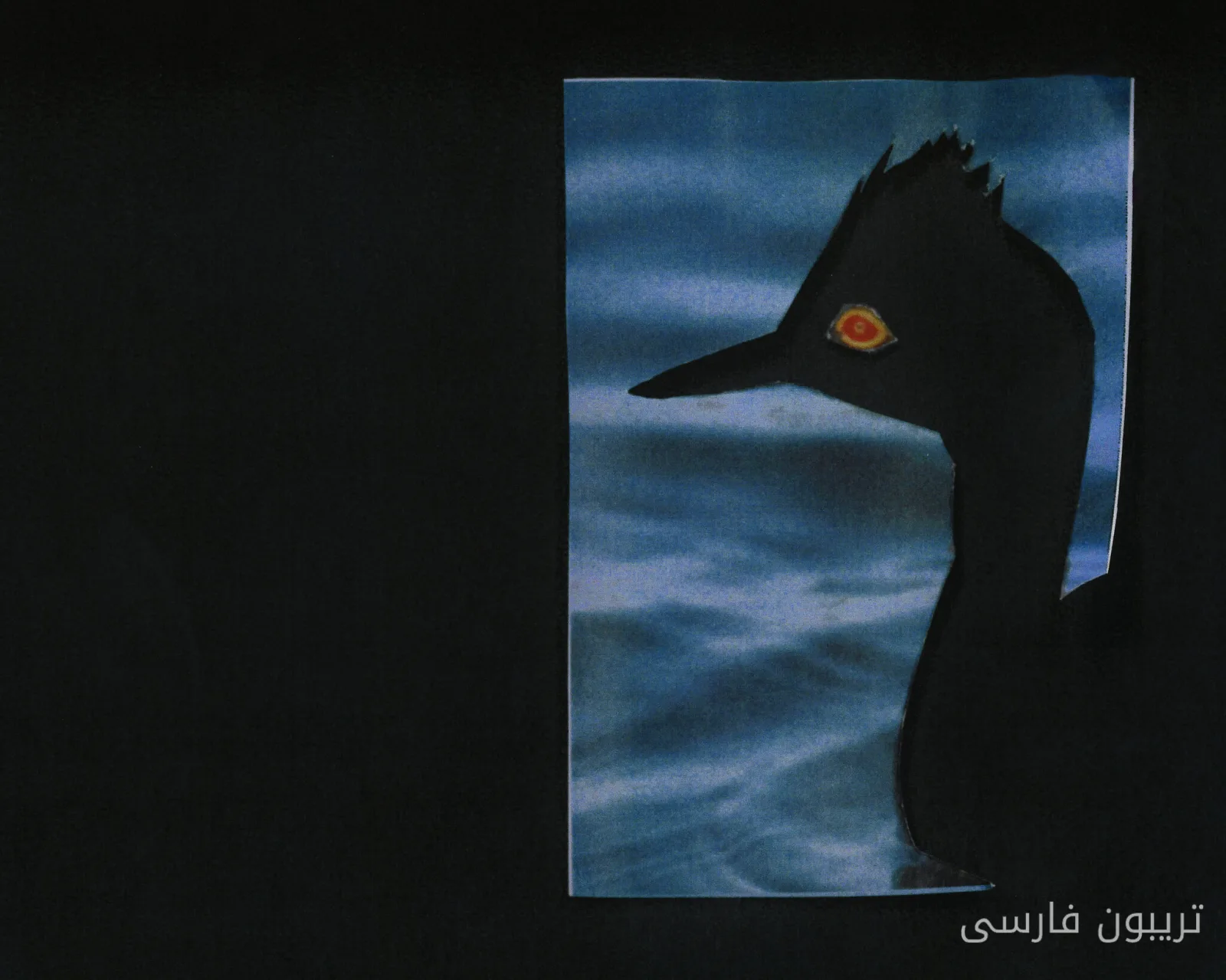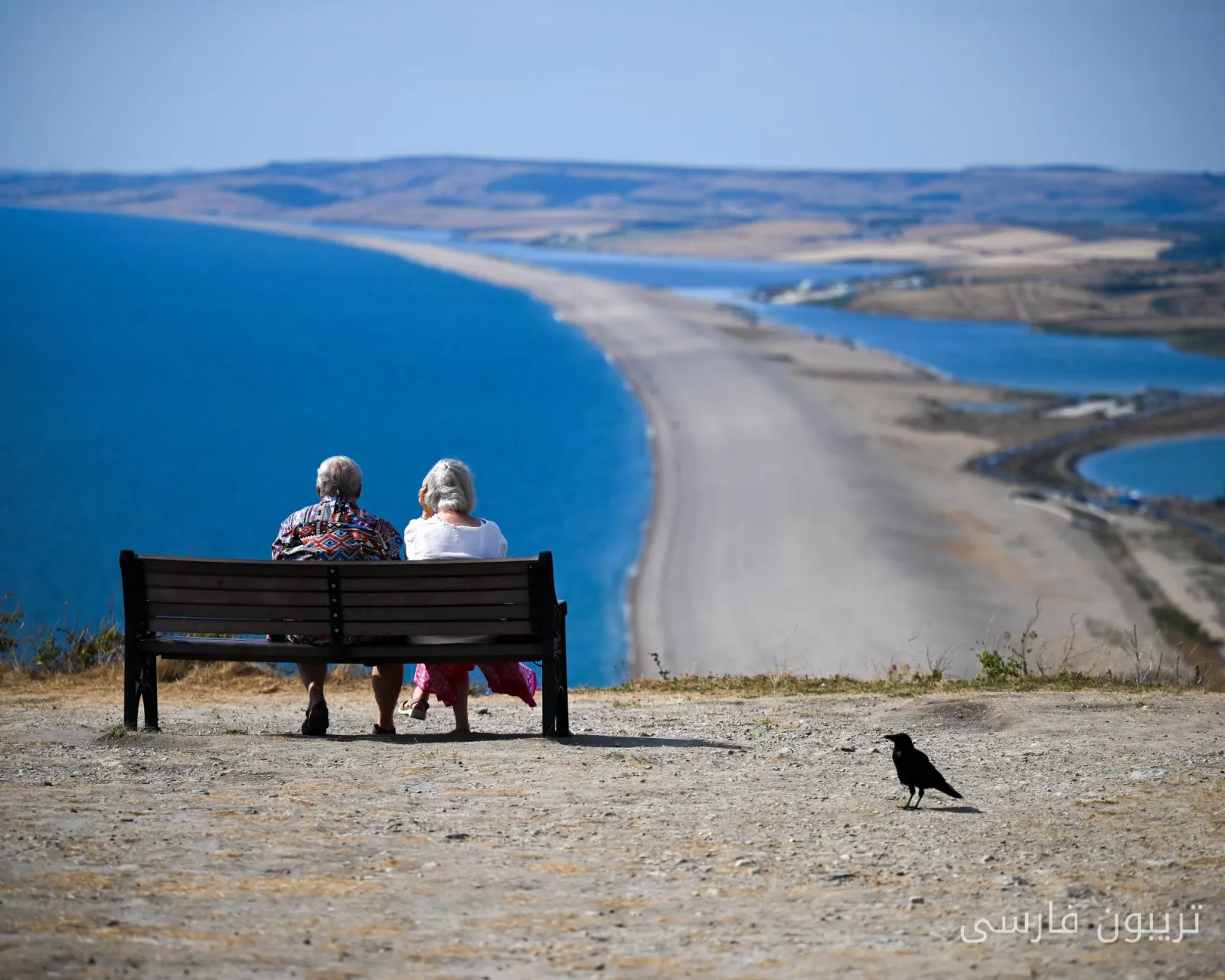
Imagine a frog drowning in boiling water, yet showing no reaction. This image symbolizes our current state; while the climate situation is worsening unprecedentedly, we remain indifferent.
The Meaning of Words is Changing
Recently, I overheard a conversation in a café where someone described their toast as 'excellent.' At that moment, I felt an unpleasant sensation. Not because the toast wasn't good, but because I remembered a time when 'excellent' meant something truly amazing: tall mountains, the vastness of the night sky, and the melodious songs of whales. Now this word has been reduced to describing a breakfast.
In this context, the word 'fantastic' has also suffered a similar fate, distancing itself from its amazing roots and becoming synonymous with 'good.' It seems that 'literally' has been so misused that it can mean something that is literally not real.
Why Should We Be Concerned?
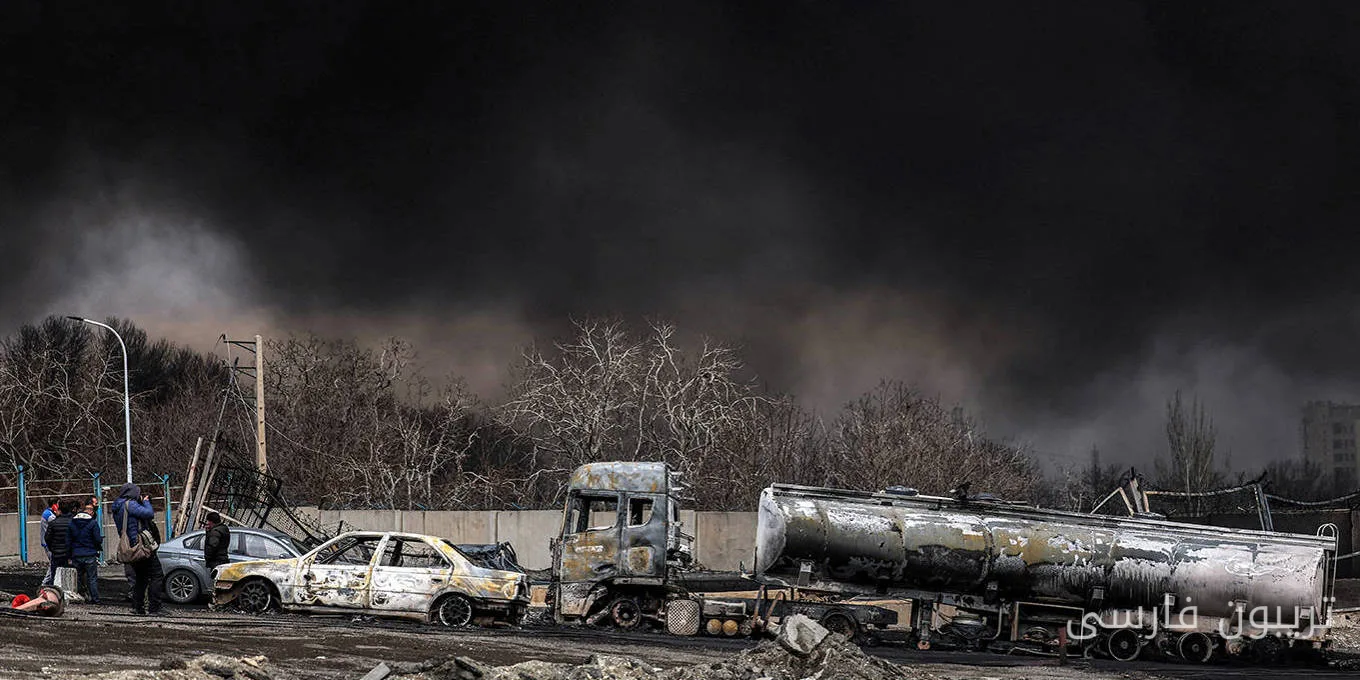
The devaluation of words is not just a linguistic change; it somehow reflects deeper changes in our attitudes towards our environment and our lives. While we easily pass by hot summers, flooded streets, and agricultural failures, do we truly realize what threats these changes pose for our future?
Accepting this situation as 'normal' is not only a sign of our negligence but also a form of escaping reality. Have we become like frogs slowly boiling in water, unaware of the danger?
In these circumstances, is it not time to give more respect to words and their meanings and wake up from our slumber?