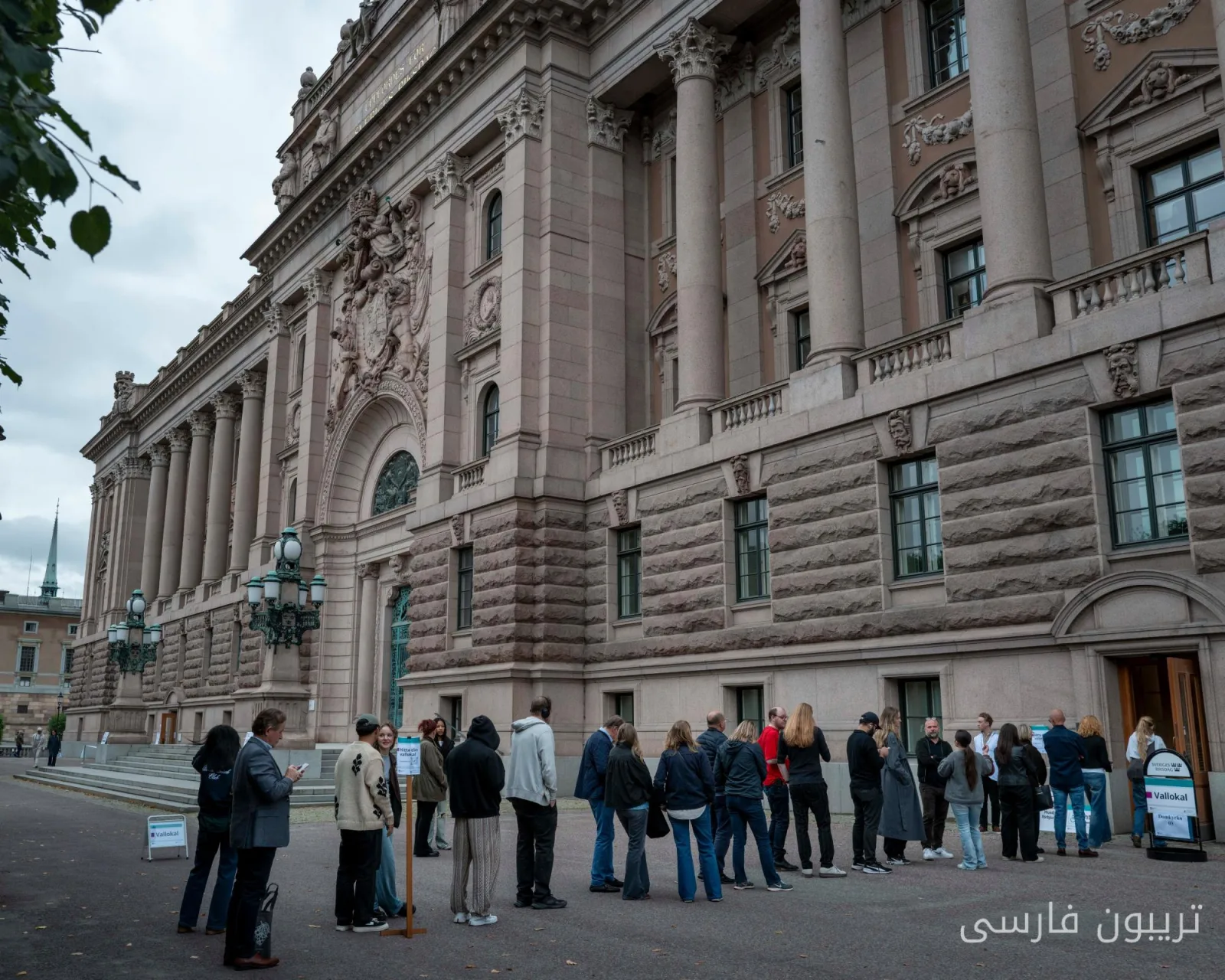
The recent election results in Sweden, with a narrow victory for leftist parties over the far-right, promise a positive shift in the country's social policies. While leftist parties led by Magdalena Andersson, the leader of the Social Democratic Party, achieved victory, these results should also be seen as a warning bell for the challenges facing social and humanitarian policies in Sweden.
Analysis of Election Results
The Swedish elections demonstrated voters' resistance to the rise of far-right parties. In this election, leftist parties managed to attract more votes by relying on their historical background and social slogans. In contrast, the Sweden Democrats, known as a far-right party, fell from second to third place for the first time, and their share of the votes decreased. This shift not only reflects the public's unwillingness to accept extremist views but also creates an opportunity for leftist parties to redefine and strengthen their social policies.
Read more: Analysis of the Necessity and Consequences of Safety Drills in American Schools
Challenges Facing Leftist Parties
However, this victory also comes with serious challenges. Leftist parties must remember that even without entering power, far-right groups can influence the political landscape and institutionalize their policies in society. The previous government led by Ulf Kristersson adopted immigration and citizenship policies that were heavily criticized due to its reliance on the Sweden Democrats. Now, with Andersson's victory, these parties must present a comprehensive and humane program for managing social and immigration issues to prevent further decline in their support.
Leftist parties should utilize past experiences and consider the current needs of society to formulate policies that simultaneously address economic and social challenges while preserving social and humanitarian values. These parties must remember that reverting to old and traditional policies cannot meet today's complex needs and should move towards innovation and creativity in policymaking.
Ultimately, the victory of leftist parties in Sweden's elections is an opportunity that should not be missed. If these parties succeed in creating a united front and presenting attractive and humane policies, they can not only overcome existing challenges but also pave the way for a brighter future for Sweden through improved social and economic conditions.
Read more: Challenges of Meditation and Its Risks in Buddhist Texts · The Far-Right Earthquake in Germany: The Saxony-Anhalt Elections