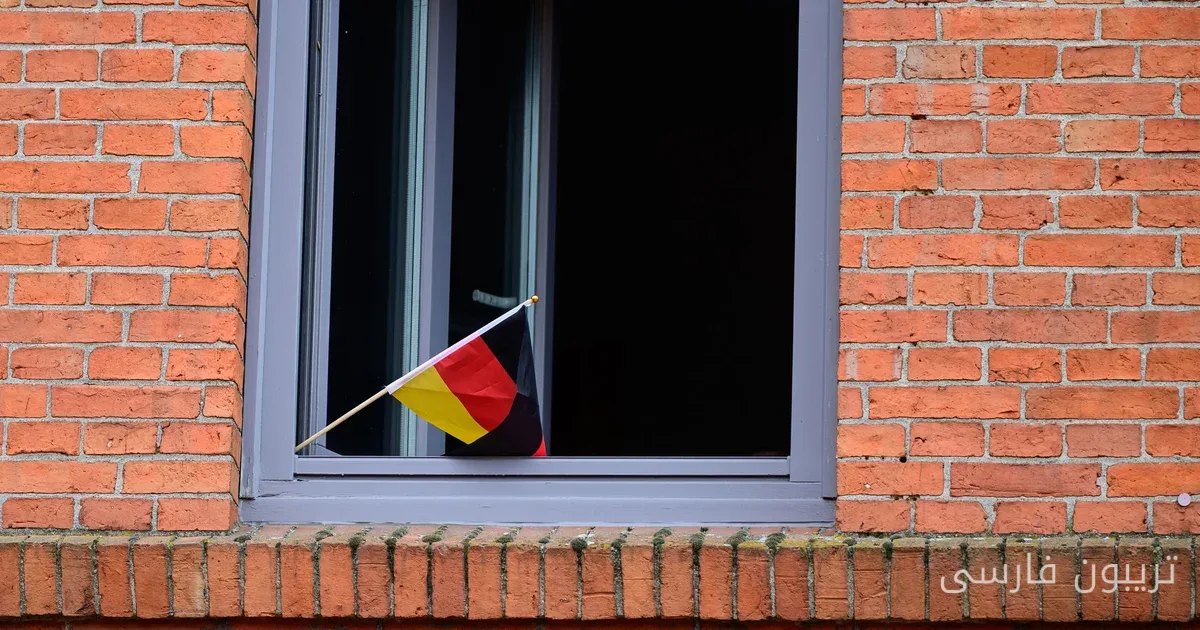
The recent elections in the state of Saxony-Anhalt in Germany have sounded an alarm for the main parties in the country. While it seemed that traditional parties had managed to create a strong wall against extremism, the results of this election showed that this wall is seriously cracking.
Rise in Popularity of AfD
The Alternative for Germany (AfD), known as a far-right party, achieved significant successes in this election. With its appealing promises and controversial approaches, the party managed to attract the attention of many voter groups. The increase in support for this party raises serious questions about Germany's political future and the possibility of extremism returning to the scene.
Role of Main Parties
The main parties in Germany must quickly respond to the disappointing situation they currently face. These parties, which were once seen as defenders of democracy and human rights, are now under serious threat. Voters, dissatisfied with the policies and performance of these parties, have leaned towards more extremist options like the AfD.
Given this situation, the main parties need to reassess their strategies and respond to the real demands of the people. Ignoring this issue could lead to further weakening of these parties' positions and strengthening of the far right.
Historical experiences show that neglecting extremism can lead to dire consequences. Germany, as a country that has suffered from the bitter history of Nazism, must learn from this situation and not allow extremists to regain dominance in the political arena.