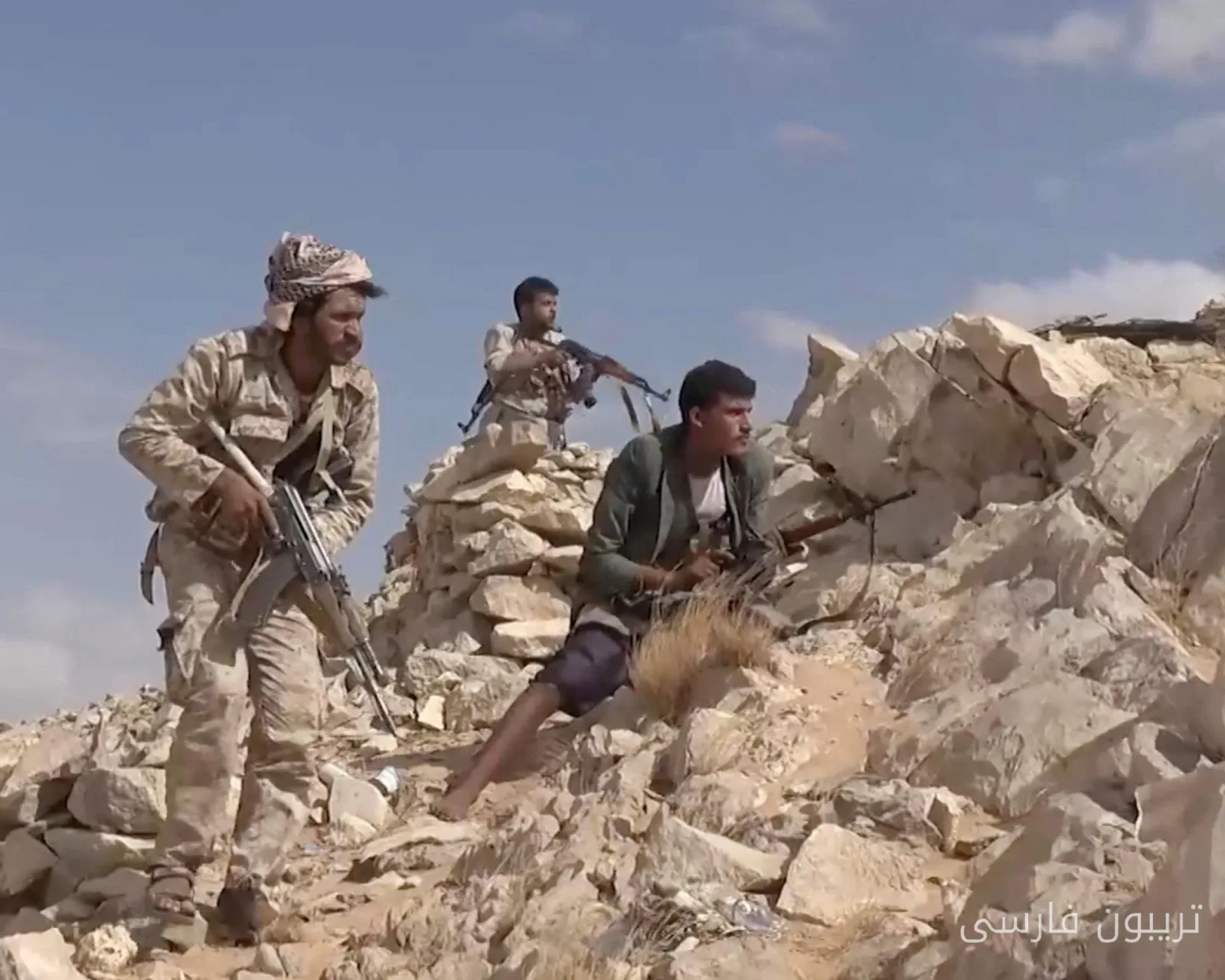
The Chinese diaspora in the United States, particularly in states like Indiana and Minnesota, has played a key role in supporting the uprising against the military government of Myanmar. This support, primarily from the Chinese Christian minority in Myanmar, faces serious challenges including pressure on migrants and a decrease in humanitarian aid from the U.S. government.
Financial Resources and Social Support
Between 2002 and 2018, many Myanmar refugees were resettled in the United States, most of whom were from the Chinese Christian minority. These refugees provided the necessary financial resources to support the uprising against the military government by working in meatpacking plants and distribution centers. According to Thomas Kean, a Myanmar researcher from the International Crisis Group, "A significant portion of the funding has gone towards armed struggle, as it is felt that this is the only way to achieve other revolutionary goals."
Read more: The Marginalization of Republican Extremists Becomes Mainstream
Political Challenges and Pressure on the Diaspora
With the halt of new refugee admissions to the United States and increased pressure on migrants, diaspora support may be affected. Some activists in Myanmar are concerned that criticism of the Trump administration, which is favored by the diaspora for its support of Myanmar's Christians, could reduce their financial support. For example, one activist said, "If we criticize Trump, we can't because the diaspora loves him very much and is dependent on us."
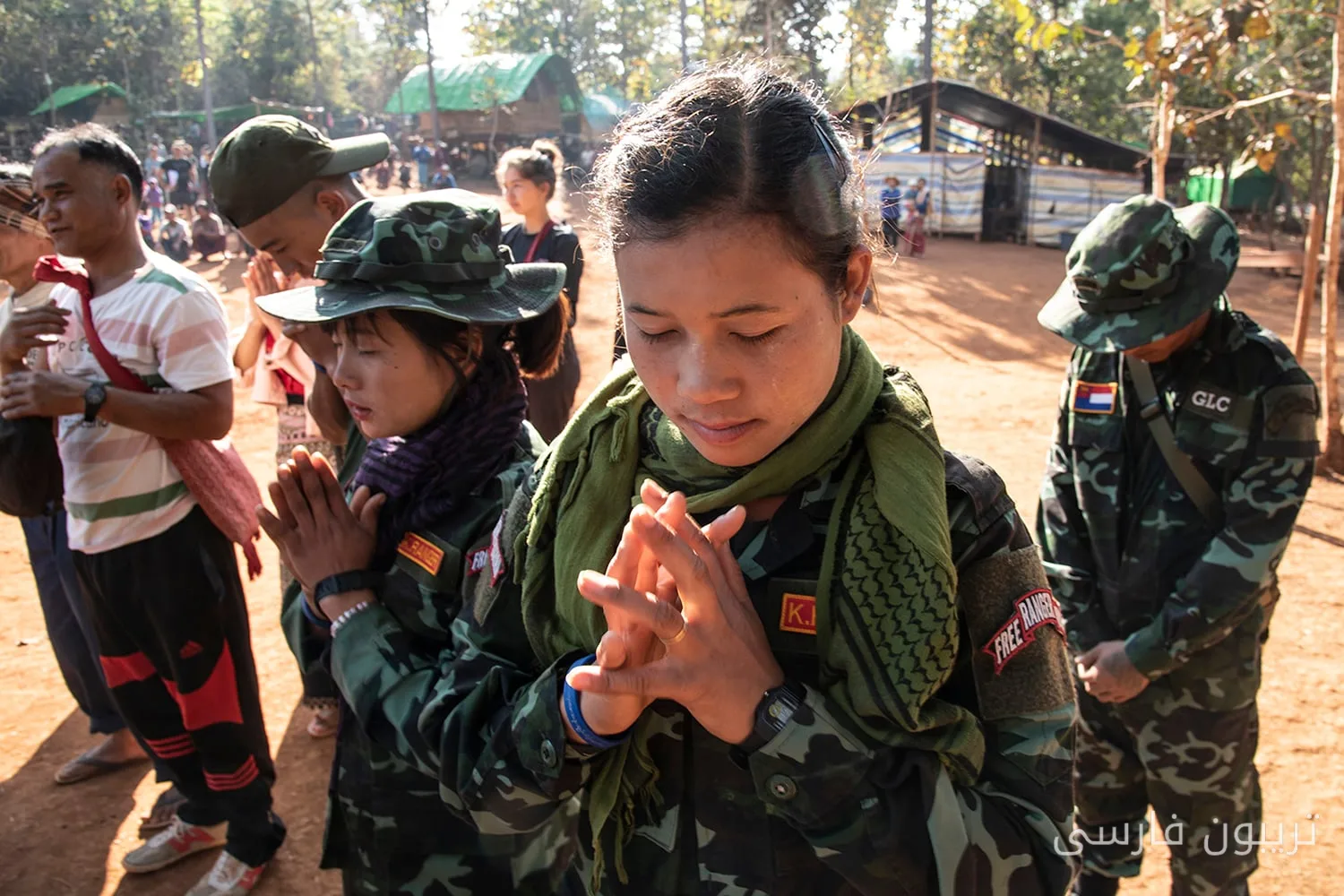
In this context, Christian groups in the United States are also supporting the victims of the Myanmar government and are trying to direct financial resources towards groups like the Free Rangers of Myanmar, which acts as an "armed humanitarian aid." This group, led by David Eubank, a former U.S. military officer, provides medical assistance and meets basic needs in conflict areas.
Given the current complex conditions, the support of the Chinese diaspora for the uprising against the Myanmar government has become a fundamental challenge. While the need for financial and humanitarian support is still felt, the diaspora faces serious political and social challenges that could impact the future of the uprising.
Read more: The Necessity of Regulating the Cyberspace with a Jurisprudential and Ethical Perspective · $15 Million Fund Launched to End Female Genital Mutilation