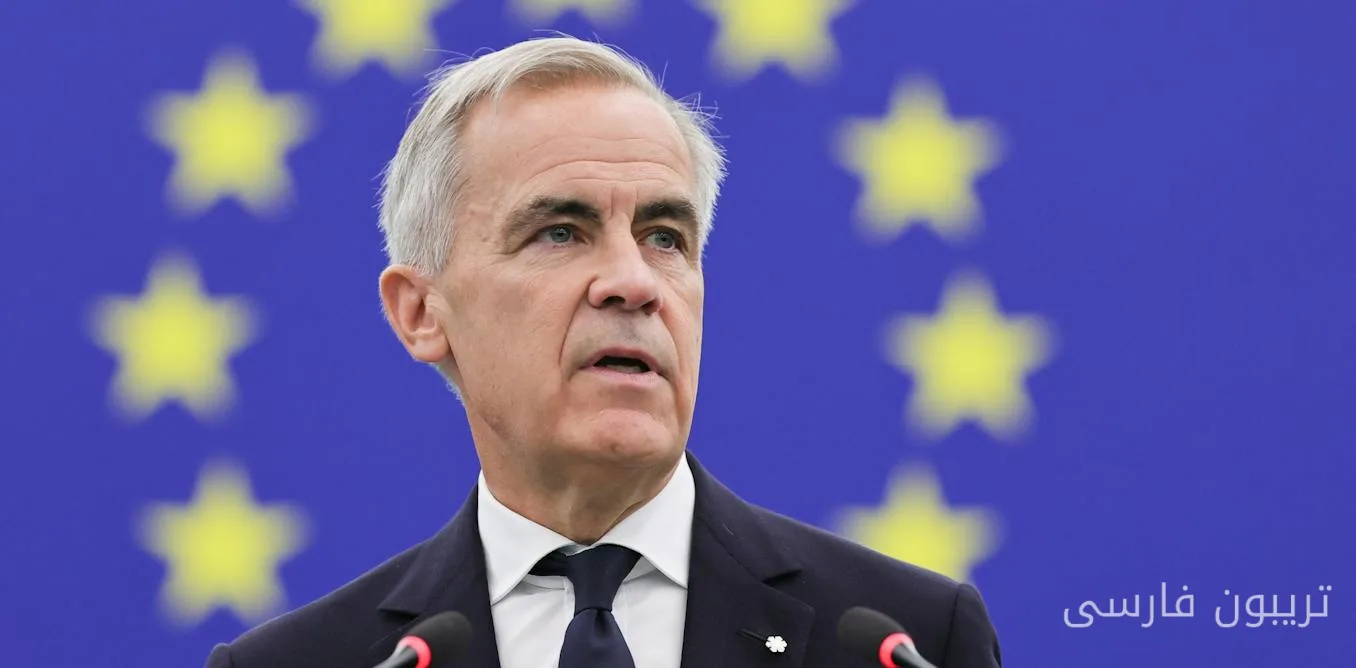
The rise of the far right in various countries, including France, Germany, and the United Kingdom, has drawn attention. At a scientific event in Brussels, one speaker informally mentioned that the far right might be in power at the next meeting. This prediction was met with no objections or denials from the attendees, which itself indicates the seriousness of this concern.
Claims by Leftists
Leftists believe that poor economic conditions and social instabilities are the main factors behind the far right's success in recent elections. They argue that economic crises increase public dissatisfaction, which then shifts towards far-right parties. In other words, they believe that people are looking for solutions that address their economic problems.
Read more: Houthi Attacks on Yemen: A Serious Threat to Regional and Global Security
Response of the Far Right
However, the reality is that far-right leaders have garnered support by adopting different economic policies that may not align with leftist claims. These leaders focus more on nationalist sentiments and cultural identity rather than economic issues. In this regard, their political promises center on reducing immigration, strengthening national identity, and protecting traditional values. Thus, they have managed to garner significant support among various segments of society, even in unfavorable economic conditions.
Social and Political Consequences
The rise of the far right can have profound social and political consequences for various countries. This could lead to increased social tensions, cultural divides, and even political instability. Furthermore, if the far right succeeds in future elections, it could result in major changes in the domestic and foreign policies of different countries. Therefore, there is a need for deeper analyses and reminders of the potential dangers arising from this trend.
Read more: Possibility of Transferring American Heavy Equipment Convoy from Iraq to Jordan · Houthis Can Change the Iran War in Favor of Tehran