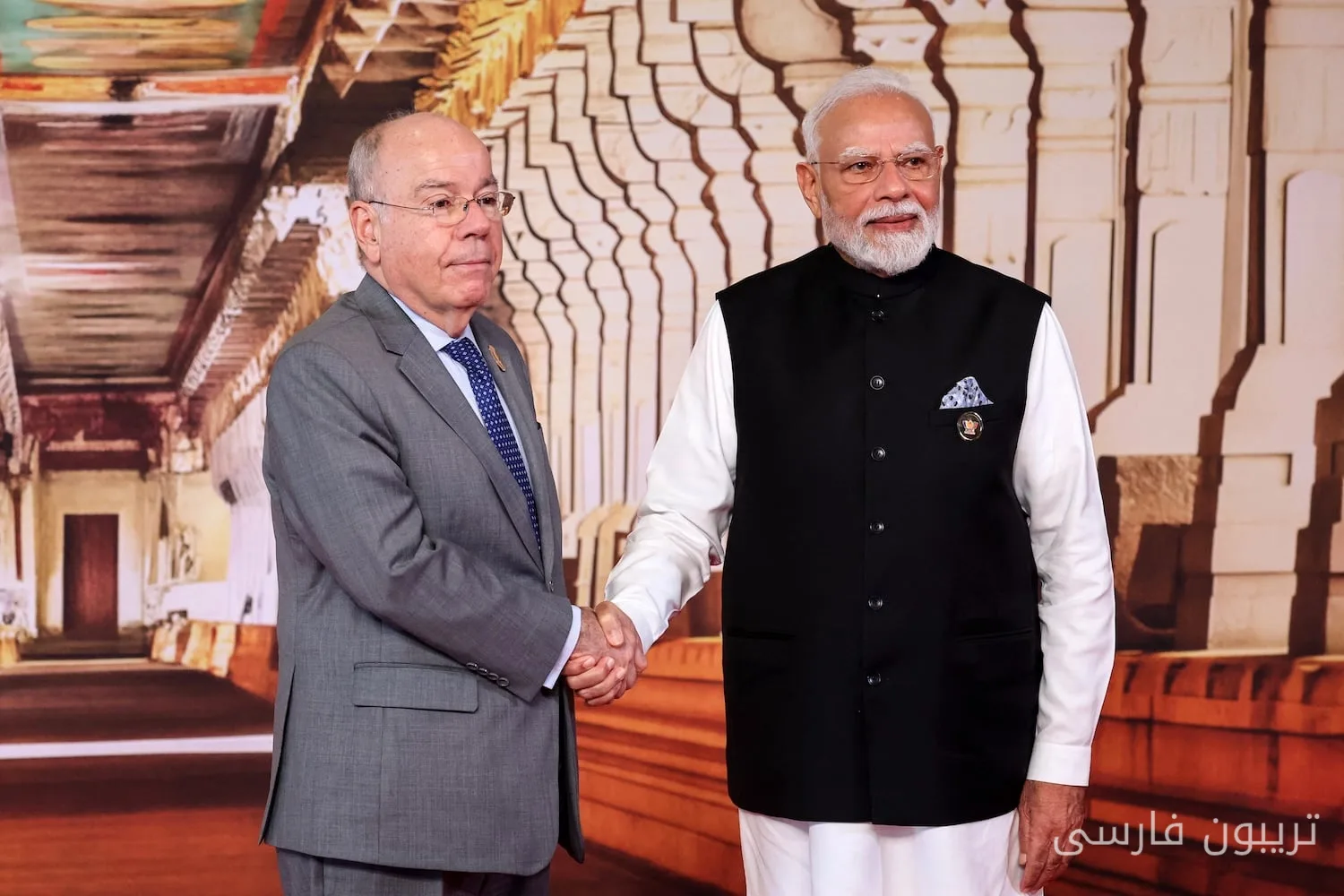
The BRICS leaders' summit in New Delhi, held last weekend, emphasized the importance of cooperation among the members of this group at a time when the global order is collapsing. Brazil, with the presence of Mauro Vieira, its Foreign Minister, aims to strengthen its positions within this group and emphasize the necessity of a multipolar system.
Brazil's Positions on the Global Order
Mauro Vieira stated at the summit that Brazil believes in a "multipolar world that promises peace and prosperity" and that this system should not be confused with a "world of spheres of influence." This position clearly reflects Brazil's desire to create a rules-based system, rather than one dominated by the strongest countries. While many of BRICS's demands, such as the expansion of the United Nations Security Council, have not been realized, the group has gradually strengthened its economic relations and launched its own development bank.
Read more: The possibility of transferring a convoy of American heavy equipment from Iraq to Jordan
Future Prospects and Challenges
Vieira's presence instead of Luiz Inácio Lula da Silva, the President of Brazil, who is in the midst of an election campaign for his second presidential term, drew attention. Brazil is on the brink of the general elections on October 4, facing political rivals including Flávio Bolsonaro, the right-wing candidate in Brazil, who is aggressively seeking votes. Poll results indicate that Bolsonaro has significant support, which could affect Brazil's positions in BRICS and its foreign policies.
Although agreements and appointments at this summit are largely based on statements, these statements gain more significance at a time when the United Nations system and environmental actions are under threat. For example, despite clear violations of the United Nations Charter, Russia has agreed to recognize the legitimacy of this system at the BRICS summit. This action could aid the future functioning of the United Nations.
Ultimately, Brazil must strive to maintain its role in BRICS and international policies in this changing and evolving environment. Attention to new attitudes and threats could influence the shaping of the future global order.
Read more: Competition for the position of Secretary-General of the United Nations and upcoming challenges · The U.S. House of Representatives approved new sanctions against Russia