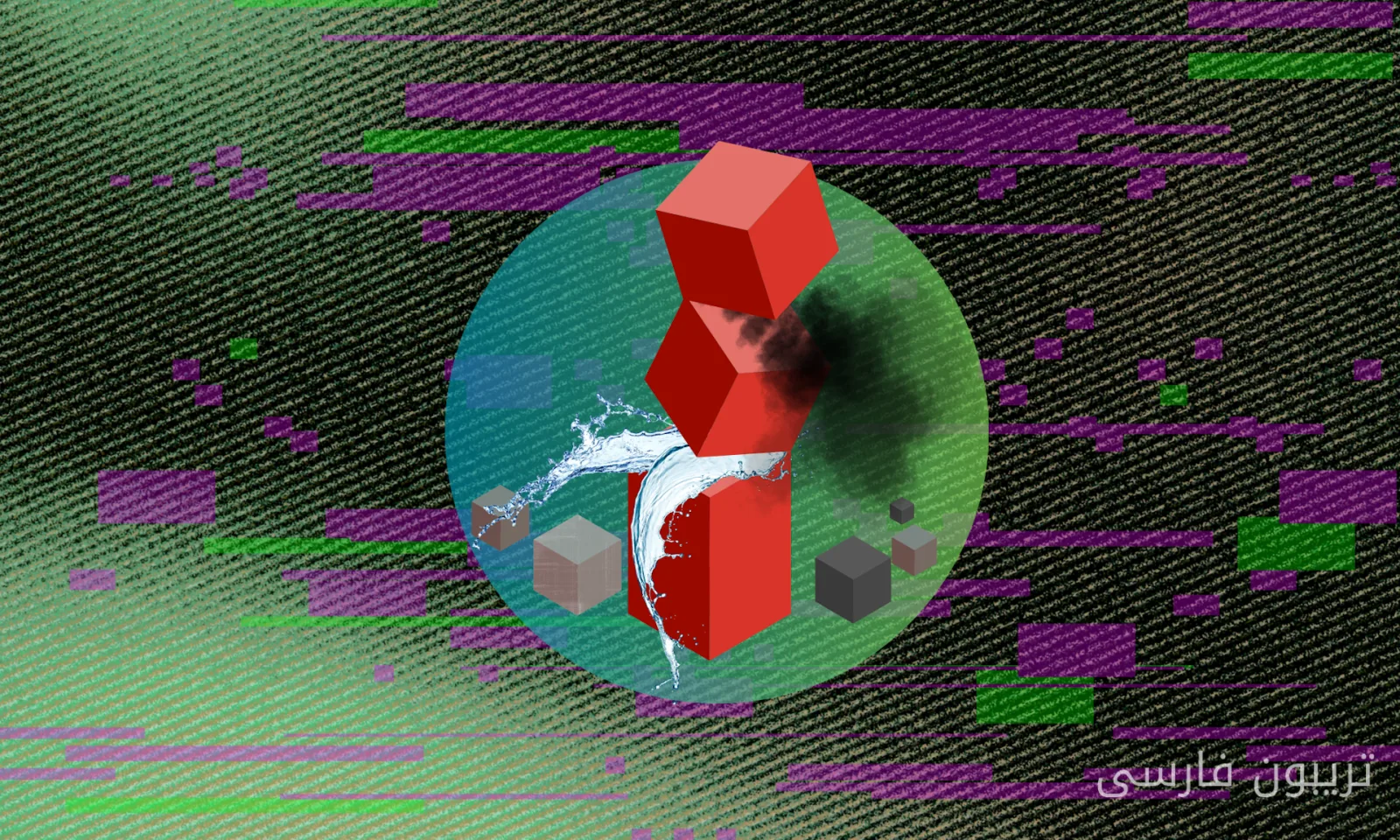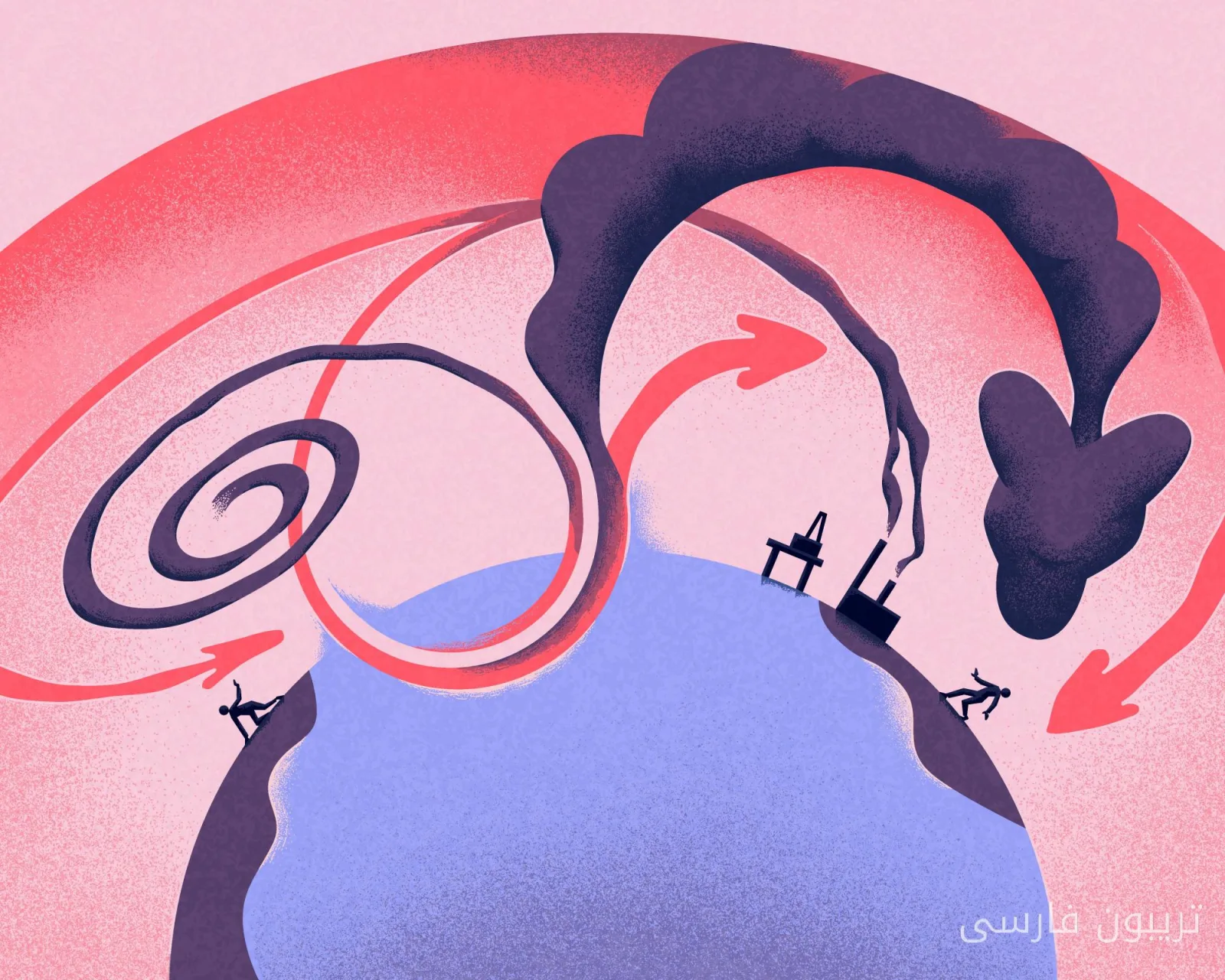
The Super El Niño, one of the largest climate transformations in the past thousand years, will soon occur as a result of the climate crisis. This phenomenon particularly forms in the tropical Pacific Ocean and can lead to severe climate crises in various parts of the world.
Definition and History of El Niño
El Niño refers to the warming of the central and eastern tropical Pacific, which occurs every few years. This phenomenon is part of a natural cycle known as the El Niño Southern Oscillation, which alternates between warm (El Niño) and cold (La Niña) phases. El Niños that reach a temperature of 2 degrees Celsius or more are referred to as "super". However, it is predicted that this time, the temperature may reach 4 degrees Celsius, indicating the extraordinary intensity of this phenomenon.
Read more: Reclaiming Streets: Architects Transforming Europe's Car Spaces
Economic and Environmental Consequences
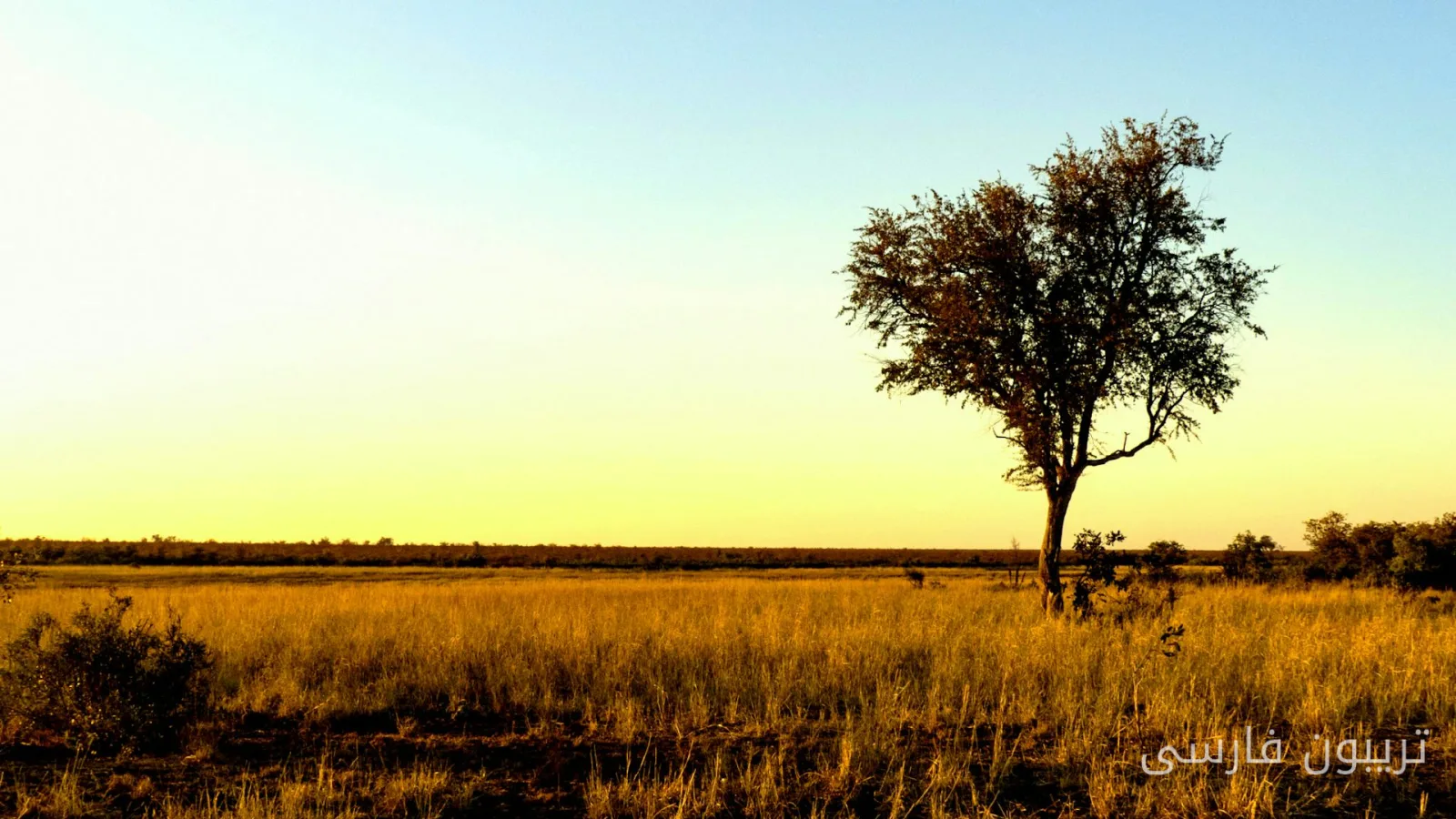
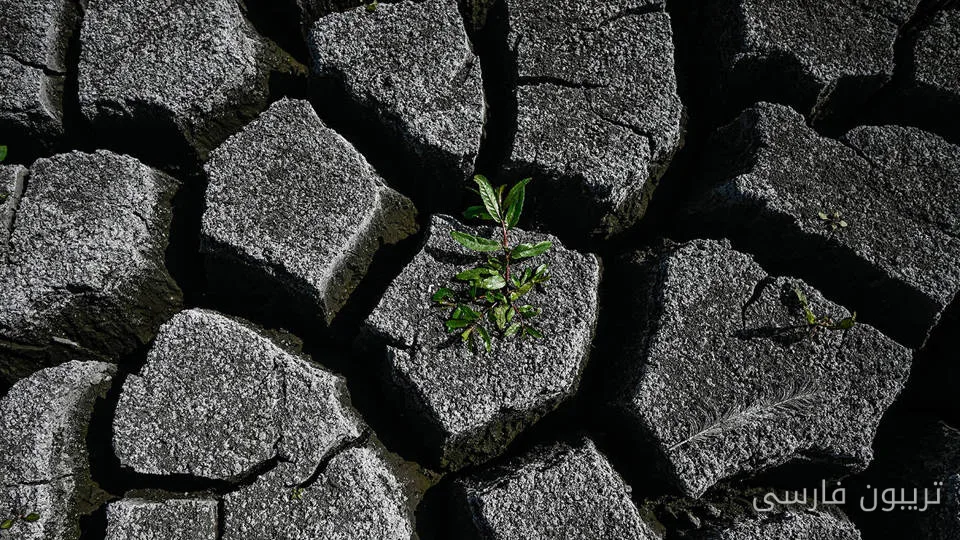
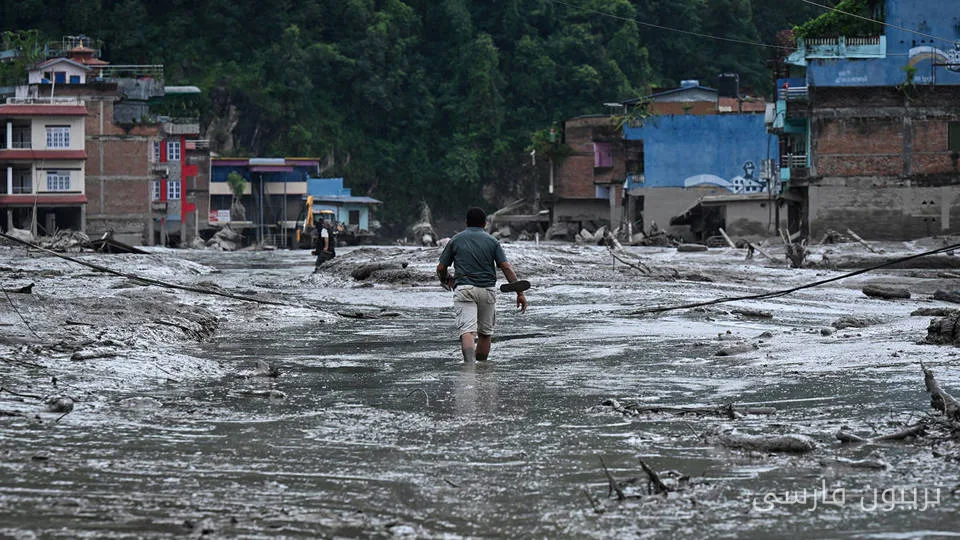
The consequences of the Super El Niño are not limited to climate changes but can also have serious impacts on the global economy. Predictions indicate that this phenomenon could lead to severe storms, widespread flooding, and extreme droughts in various parts of the world. Specifically, the UK is at risk of increased storms and heavy rainfall in the coming autumn and winter, which could lead to historic flooding.
Additionally, the indirect effects of El Niño on the global economy could result in reduced economic activity. For example, the El Niño of 1997-1998 caused damages worth $5.7 trillion. Given global warming and the increasing concentration of carbon dioxide in the atmosphere, we are likely to witness a similar economic recession.
Moreover, this phenomenon could lead to serious problems in food security, living costs, and economic welfare in the UK and other countries. As El Niño and the climate changes it causes are currently forming, it is time for governments to consider serious measures to address this crisis.
Read more: Trump Administration Seeks to Weaken Endangered Species Act · An Unforgettable Experience at the Venice Festival: From the Ruins of the West Bank to 17th Century Amsterdam