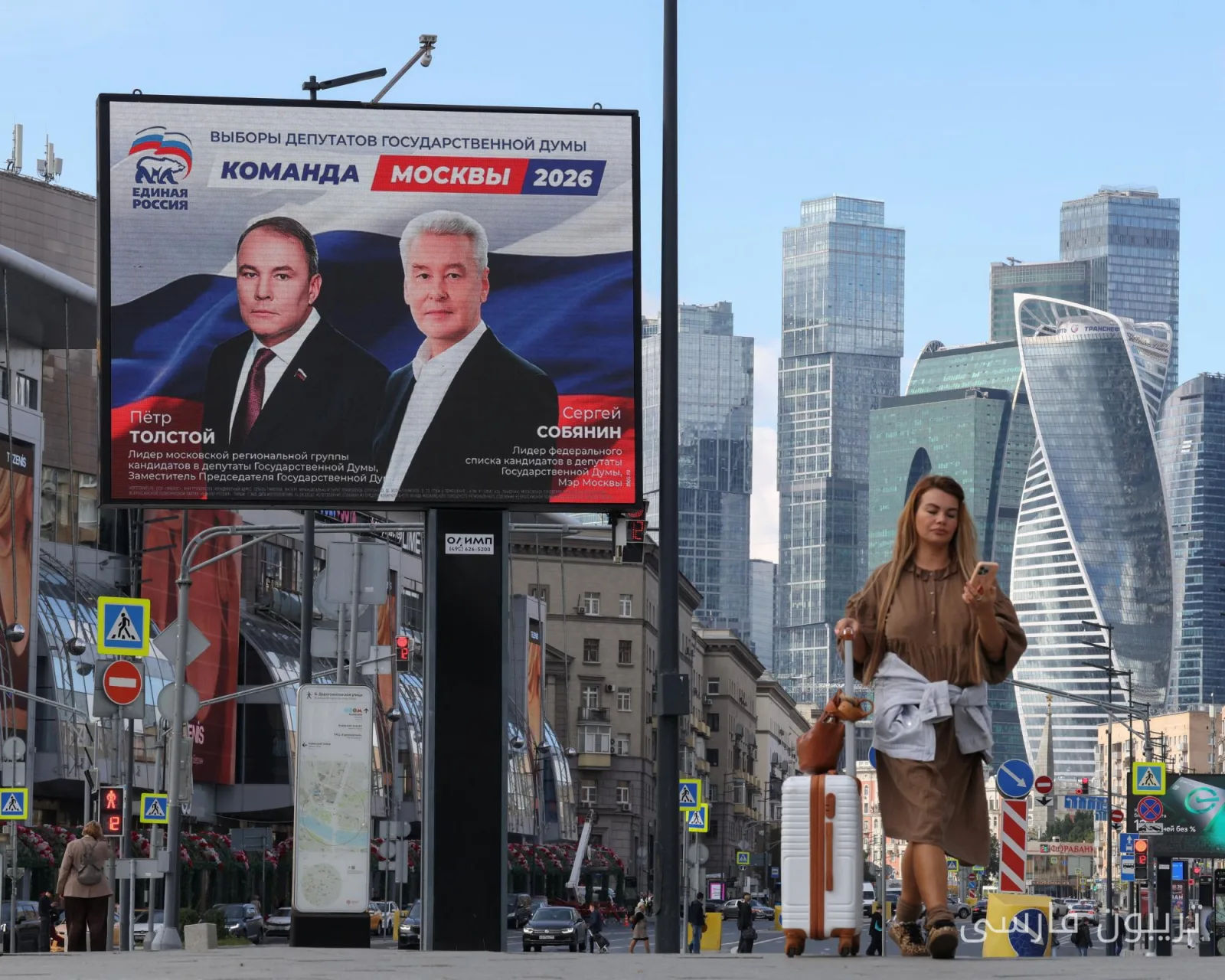
The parliamentary elections in Russia, taking place this weekend, effectively act as a tool for preserving Vladimir Putin's power and that of his party, "United Russia." In these elections, although millions have the right to vote, the outcome is predetermined. The main goal of these elections is to demonstrate the continuity of Putin's power and legitimacy in the country's political arena.
Deception in the Political System
The "United Russia" party will undoubtedly have control over the temperature, but to maintain the appearance of democracy, a number of seats will also be allocated to other "systemic" parties that operate as permitted opposition. These parties not only do not act as true representatives of the people but are also seen as a kind of barometer for public discontent.
In the meantime, the difference between the official votes of the "United Russia" party and the actual results must be managed in a way that does not create a sense of insecurity in the Kremlin. Therefore, any blatant fraud in the elections could lead to a crack in this display of power.
Factors Influencing the Elections and Public Discontent
The fatigue from the war in Ukraine and the rising human casualties have created more challenges for Putin. In particular, the shortage of volunteers for military service and concerns about the possibility of recalling reserve forces have added to public worries. In this context, the image presented of the war in Ukraine directly impacts public sentiment and consequently the elections.
In this regard, some parties, including "Yabloko," which was previously seen as a harmless party, have been excluded from the elections due to their anti-war slogans. This action reflects the government's concern over the growth of public discontent and people's inclination to support anti-war parties.
Given that there are no accurate polls in an autocratic country, the increase in the repression of opponents is a valid sign of growing discontent. It seems that the Kremlin is seeking to hold elections with the least amount of public enthusiasm, as such elections can project an image of stability and submission.
Ultimately, the system known as "managed democracy" seeks to maintain power through a combination of repression, granting tactical privileges, and producing artificial satisfaction. This system is designed to widely distribute economic corruption and allow socially sleepy elites to continue their lives in the shadow of this display.
Read more: China and the Different Understanding of Artificial Intelligence Competition · Brazilian Elections and the Inability to Solve the Country's Fundamental Problems