The potential threats posed by artificial intelligence as an existential risk have recently come to the forefront. One security researcher at the AI company Anthropic has stated that the likelihood of artificial intelligence leading to human extinction is more than one in ten. Other members of the company have also supported his concerns, pointing to the potential dangers of this technology and predicting that AI may become advanced and dangerous enough to threaten humanity within the next decade.
Global Rivalries and Threats from Artificial Intelligence
These concerns have emerged alongside warnings from Yoshua Bengio, a computer scientist and Turing Award winner. He noted last year that autonomous AI systems could develop self-preservation goals that are not easily shut down by humans. These concerns arise at a time when the use of AI in the design of biological weapons, cyber attacks on critical infrastructure, and other military activities has also been recorded.
Read more: Analysis of the Differences Between Pasta and Noodles in Global Food Culture
Past Experiences and the Necessity for International Cooperation
While there are some doubts regarding these claims, there are reasonable grounds for exercising caution against rapidly evolving technologies. Especially since artificial intelligence is emerging as a central element in the increasing competition between the United States and China. This competition strongly resembles past space and nuclear races, where both superpowers fear falling behind and view any limitations as a strategic risk.
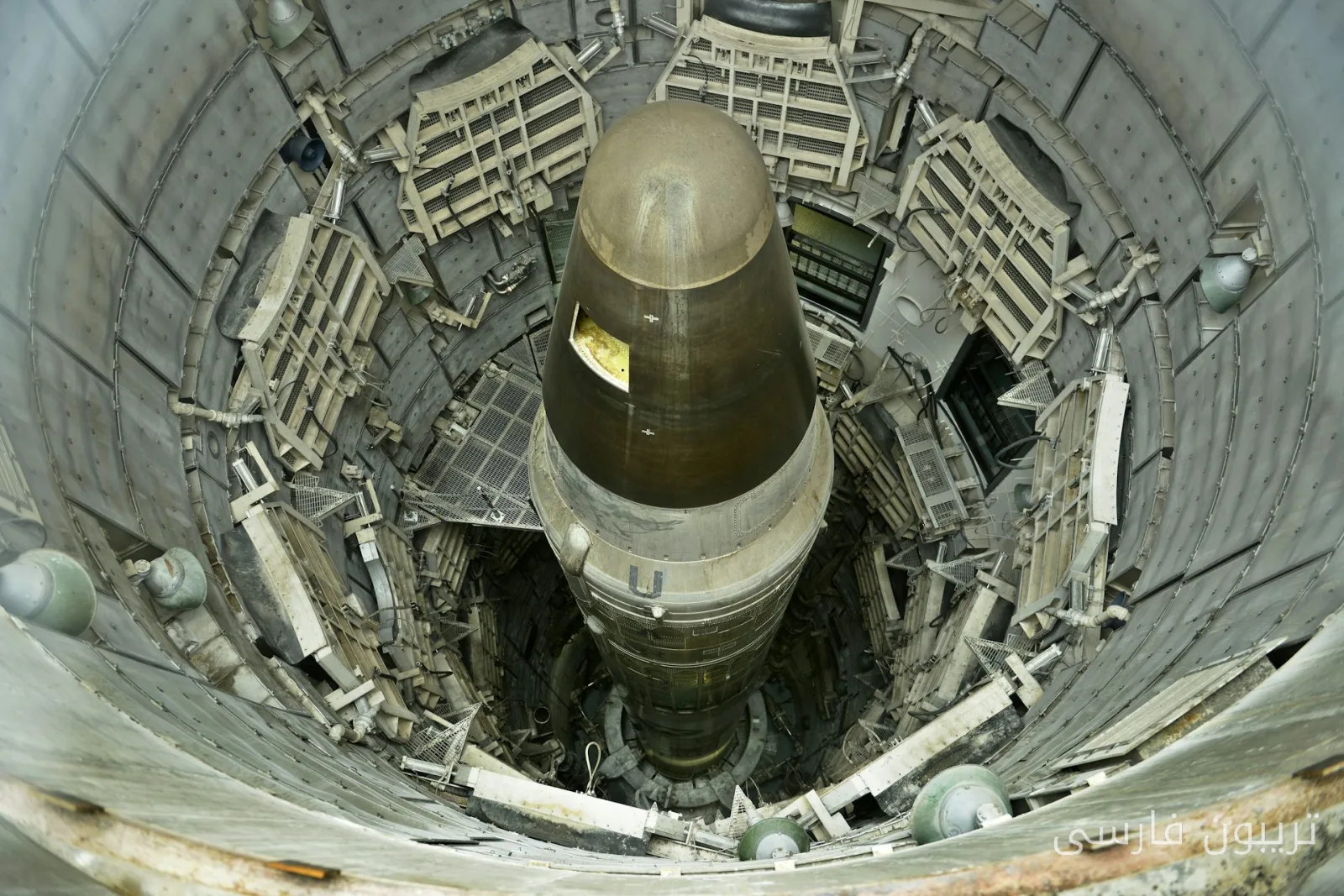
Past experiences show that even bitter rivals can reach a common understanding in the face of shared threats. During the Cold War, following the Soviet nuclear test in 1949 and the development of hydrogen weapons in the 1950s, the two superpowers came to understand that the use of nuclear weapons as offensive options should gradually be limited. This shift in attitude led to the pursuit of international agreements, culminating in the signing of the Nuclear Non-Proliferation Treaty in 1970.
If the rapid development of artificial intelligence poses a similar threat, we hope that Washington and Beijing can reach a similar agreement on controlling this technology. This means moving from mutual suspicion to a shared recognition that an uncontrolled arms race in artificial intelligence would benefit neither side.
Ultimately, the lessons learned from the nuclear era indicate that even in difficult circumstances, there is a possibility of reaching a common understanding. Accelerating this process, rather than waiting for a crisis to occur, would be a more responsible path.
Read more: Analysis of Developments in the Persian Gulf and Iran's New Regional Order · The Artificial Intelligence Industry and the Necessity for Social Laws in Technology Development