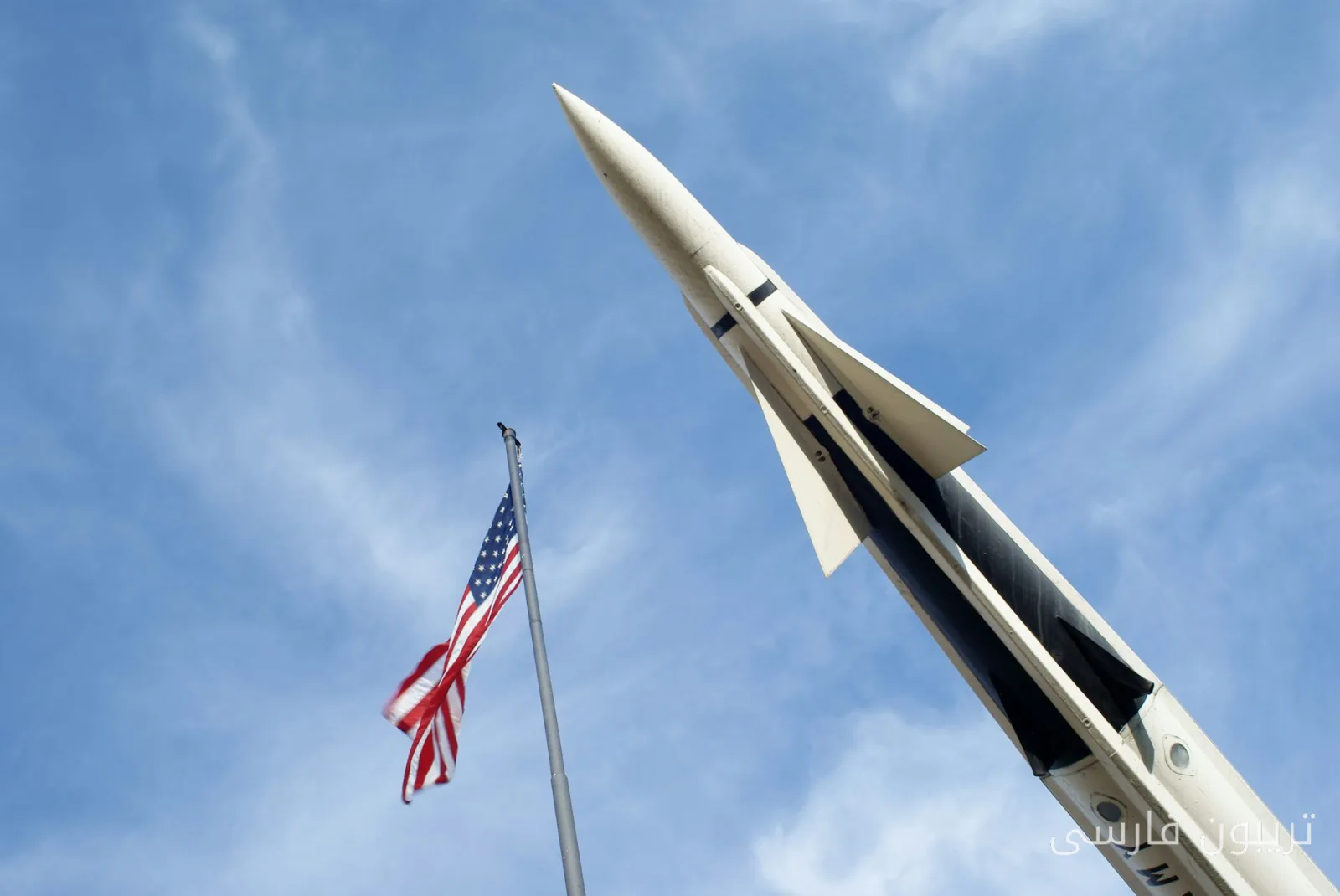
Greg Stanton, the U.S. Secretary of the Air Force, recently announced that the country has begun deploying what he referred to as "space control weapons." This statement comes at a time when China, Russia, and the United States have continuously accused each other of weaponizing space, yet none of these countries have publicly admitted to these accusations. Now, this announcement could be seen as an implicit confirmation of these allegations.
Consequences of Stanton's Announcement
This news has not only raised concerns among other countries but may also encourage them to develop space weapons. This situation could jeopardize space security and increase the risk of attacks on vital satellites for modern systems and daily life, as we rely on these satellites for services such as GPS, internet, and communications.
Read more: Azerbaijan and Armenia: Changing the Balance of Power in the South Caucasus
The Nature of Space Control Weapons
The term "space control" actually stems from U.S. military policies and doctrines aimed at dominance and superiority in space. However, it is still unclear what type of weapons these are. There are three possibilities in this regard: first, these weapons may be nuclear or weapons of mass destruction, which is highly unlikely due to international treaty prohibitions. Second, these weapons may be some form of physical or "kinetic" weapon, and third, this statement may simply be a redefinition of existing capabilities as "weapons."
Stanton's remarks not only fuel tensions with China and Russia but could also undermine international efforts to control space weapons. China and Russia, citing these statements, have accused the United States of weaponizing space and called for preserving space as a weapon-free environment. Additionally, these remarks could weaken recent advancements in space weapons control negotiations at the United Nations.
Overall, this announcement seems to pose a threat to global security and may ignite a new arms race in space. Other countries should address this issue in their upcoming meetings in Geneva and strive to prevent escalating tensions.
Read more: Freeing Oneself from the Burden of Vegetables: The Experience of Rihenon Lucy Castle · China's Human Robots Have Reached Usain Bolt's Speed and Are Preparing for War